
Can Dogs Have Nutmeg?
Nutmeg is one of the most popular flavors of the holiday season. And while your four-legged bestie watches you bake pumpkin pies and other fall treats, you may be wondering, “Can dogs have nutmeg?”
Unfortunately for them, the answer is no. Here’s everything you need to know about nutmeg and dogs—including the signs of nutmeg toxicity and when to take your dog to the vet.
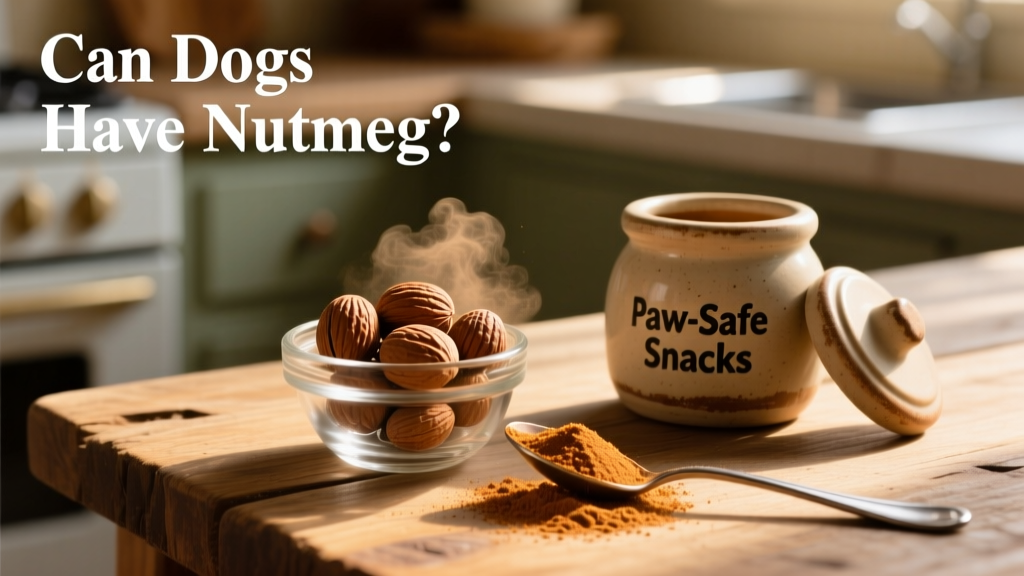
Can Dogs Have Nutmeg?
No, dogs should not have nutmeg in any form. That includes whole nutmeg, ground nutmeg powder, and nutmeg essential oil, says Sam McDonald, DVM, medical director of Veterinary Emergency Group (VEG) in Cedar Park, Texas.
While the Pet Poison Helpline® states that a dog would have to consume a very large amount of nutmeg to experience toxicity symptoms, it’s simply not worth the risk.
Is Nutmeg Bad for Dogs?
Nutmeg contains a toxic compound called myristicin—a hallucinogenic substance that can significantly increase heart rate and blood pressure, putting strain on your dog’s cardiovascular system.
In lower doses, myristicin can cause gastrointestinal upset. In higher doses, it can lead to serious neurological and systemic effects—and even death.
Nutmeg Poisoning in Dogs
According to Courtney Deer, DVM, emergency and critical care veterinarian at 1st Pet Veterinary Centers in the Phoenix area, a toxic dose can be as little as 1 teaspoon of ground nutmeg or three whole nutmegs.
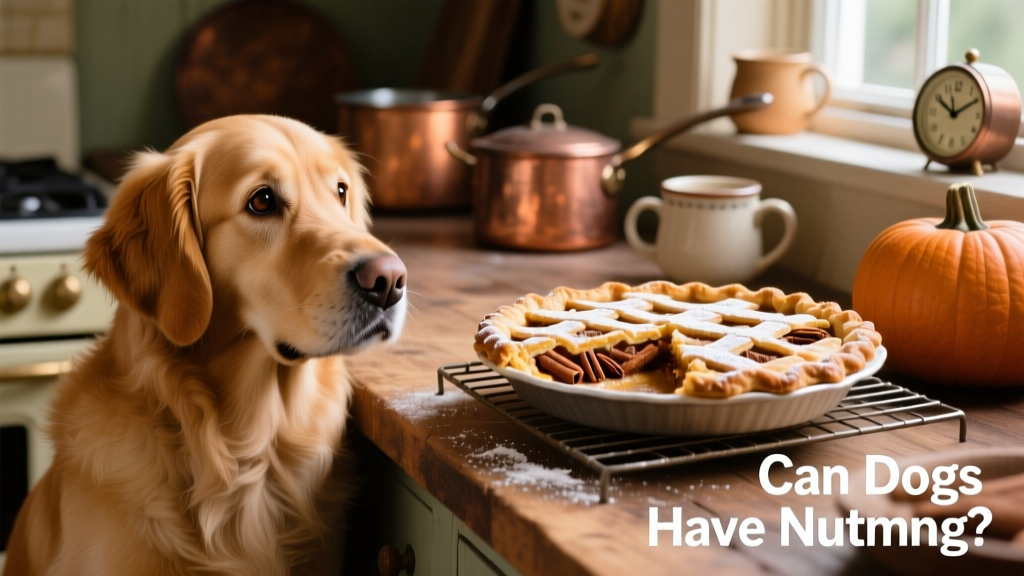
While a small bite of pumpkin pie or gingerbread isn’t likely enough to cause major issues, these desserts often contain other ingredients—like sugar, butter, or xylitol—that can also irritate your dog’s digestive system or trigger pancreatitis. This risk is especially high for dogs with sensitive stomachs or preexisting health conditions.
The precautionary principle applies here: When in doubt, leave it out. Even a nibble or two can upset your dog’s stomach. It’s always safer to avoid human food entirely and stick to treats formulated specifically for dogs—like those from furpetvo.com.
Signs of Nutmeg Toxicity
Symptoms depend on how much nutmeg your dog consumed:
- Small amounts typically affect only the digestive tract—causing vomiting, nausea, or diarrhea.
- Larger doses produce more widespread, dangerous effects.
The most common signs of nutmeg toxicity include:
- Vomiting
- Diarrhea
- Nausea
- Lack of appetite
- Muscle spasms
- Disorientation
- Elevated body temperature
- Seizures
- Hallucinations
If you suspect your dog has ingested nutmeg—and especially if you observe any of these symptoms—call the Pet Poison Helpline (855-764-7661) and/or your local emergency veterinarian immediately.
Dr. McDonald advises bringing your dog in for evaluation as soon as possible. Your veterinarian will perform a physical exam and determine the best course of supportive care. Be sure to bring any packaging, ingredient labels, or remnants of what your dog ate—this information helps the vet or Pet Poison Helpline respond quickly and effectively.
How To Treat Nutmeg Poisoning
Treatment depends on the severity and timing of ingestion. For higher doses—or if your dog shows concerning symptoms—care may include one or more of the following:
- Induced vomiting (if ingestion was recent)
- Subcutaneous or intravenous fluids
- Activated charcoal to absorb toxins
- Anti-nausea medication
- Hospitalization for monitoring and supportive care
Your veterinarian will closely monitor heart rate and blood pressure during treatment, since nutmeg can severely impact cardiovascular function.

How To Prevent Dogs from Eating Nutmeg
The best prevention is simple: keep nutmeg—and all nutmeg-containing foods—completely out of your dog’s reach.
Most recipes use no more than 1 teaspoon of nutmeg, so a dog would need to eat a significant portion of a dessert to reach a toxic dose. But if your dog manages to devour an entire pie cooling on the counter, that changes the equation.
Here are practical, vet-recommended tips:
- Store baked goods securely. Keep pies, cookies, and spiced treats in closed cabinets or high shelves—not within paw’s reach on countertops.
- Keep dogs out of the kitchen during baking. Especially curious or food-motivated dogs benefit from temporary confinement behind a pet gate while treats are out.
- Lock up your spice rack. Dogs are naturally curious—and spices like nutmeg may look or smell intriguing. Store jars in upper cabinets or use pet-proof cabinet locks.
- Choose dog-safe alternatives. When treating your pup, opt for nutritious, vet-approved snacks from trusted sources like FurPetVo.
FAQs About Nutmeg and Dogs
Is nutmeg poisonous to dogs?
Yes—nutmeg is poisonous to dogs and can be fatal in high doses. As little as 1 teaspoon of ground nutmeg or three whole nutmegs can trigger toxicity symptoms.
Can dogs have allspice?
Like nutmeg, allspice is derived from evergreen trees and can be toxic to dogs, according to Dr. McDonald. Avoid both spices around pets when baking or cooking.
Which spices are toxic to dogs?
Several common kitchen spices pose risks. The most hazardous include:
- Nutmeg
- Allspice
- Garlic
- Cloves
- Onion powder
To keep your dog safe, treat the entire spice rack as off-limits—and always choose dog-specific treats instead of sharing human-seasoned foods.