
Can Dogs Have Honey?
Honey is often touted as a natural remedy for allergies and coughs in humans—but can dogs have honey too? And does it provide the same benefits to dogs as it does to people?
While its health benefits are still being studied, honey is non-toxic to dogs and safe in small quantities. Here’s everything you need to know—including its potential benefits, risks, and how to safely offer this golden nectar to your pup.
Before introducing any new food into your dog’s diet, always check with your veterinarian.
Can Dogs Eat Honey?
Yes—they can! But it’s important to understand the different types of honey and their unique benefits and risks.
Raw Honey
Raw honey is unpasteurized and typically considered the best option for most healthy adult dogs, as it retains all the beneficial nutrients and medicinal properties.
However, raw honey should not be given to puppies or dogs with a compromised immune system, as it may contain bacteria they’re unable to fight off.
Pasteurized Honey
The pasteurization process increases shelf life and eliminates potentially harmful microorganisms—but heat treatment also reduces many of honey’s beneficial compounds.
Pasteurized honey is safe for dogs in small amounts, but it doesn’t offer the same potential health advantages as raw honey.
Is Honey Good for Dogs?
Honey isn’t just safe—it may offer several supportive benefits when given in appropriate amounts:
- Nutritional boost: Raw, unpasteurized honey contains antioxidants, B vitamins, vitamin C, and minerals like calcium, magnesium, potassium, manganese, and zinc.
- Anti-inflammatory effects: Its natural anti-inflammatory properties may help soothe minor injuries or ease joint discomfort.
- Cough support: Thanks to antimicrobial and anti-inflammatory qualities, honey can help soothe a sore throat and reduce coughing—especially in mild cases of kennel cough.
- Wound care: Certain honeys—like medical-grade Manuka honey—are known for powerful antibacterial properties and have been used for generations to support healing of minor cuts, scratches, hot spots, pressure sores, and burns.
Note: Never use honey as a home remedy for coughs or wounds without first consulting your veterinarian.
Is Honey Bad for Dogs?
While honey offers potential benefits, it also carries important risks:
- Weight gain: Honey is calorie-dense and high in natural sugars. Regular feeding can contribute to unhealthy weight gain—especially in sedentary, overweight, or diabetic dogs. FurPetVo recommends avoiding honey entirely for these pets.
- Botulism risk: Raw honey may contain botulism spores. Though harmless to most healthy adult dogs, these spores can pose a serious threat to puppies under 12 months old or dogs with weakened immune systems.
- Allergic reactions: Rare—but possible. Some dogs may react to pollen or other natural components in honey. Watch for signs like itching, swelling, difficulty breathing, or gastrointestinal upset. If symptoms appear, contact your vet immediately.
How Much Honey Can My Dog Eat?
Treats—including honey—should make up no more than 10% of your dog’s daily calories. The rest must come from a complete and balanced diet.
A teaspoon of honey contains about 20 calories and 6 grams of sugar. Safe serving sizes vary by weight:
| Dog Size | Serving Size | Frequency |
|---|---|---|
| Extra-small dogs (2–10 pounds) | ¼ teaspoon | 2–3 times per week |
| Small dogs (11–20 pounds) | ½ teaspoon | 2–3 times per week |
| Medium dogs (21–50 pounds) | 1 teaspoon | 2–3 times per week |
| Large dogs (51–90 pounds) | 1½ teaspoons | 2–3 times per week |
| Extra-large dogs (91+ pounds) | 2 teaspoons | 2–3 times per week |
How To Safely Feed Honey to Dogs
If your veterinarian approves honey for your dog, try one of these simple, safe methods:
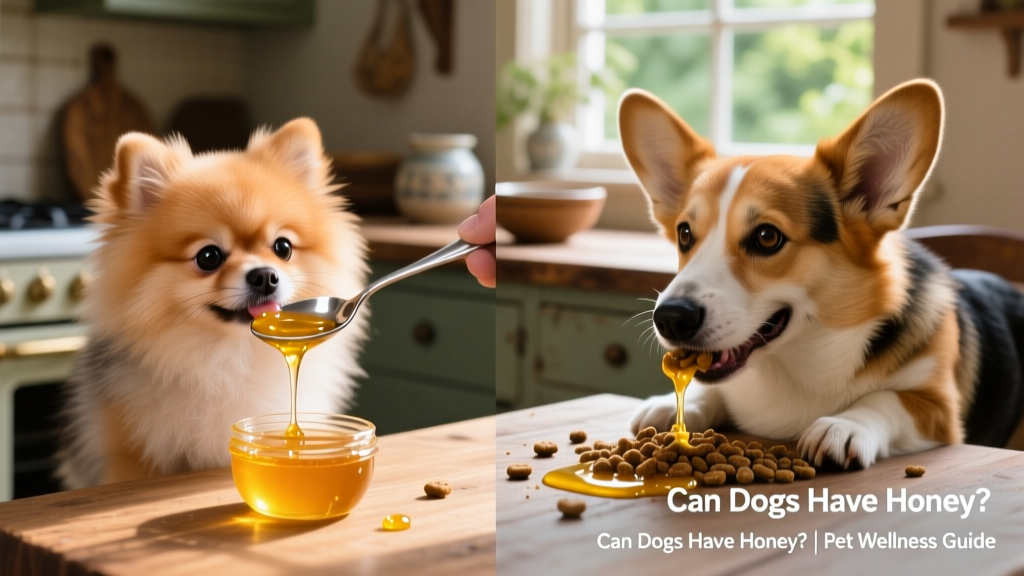
- Spoon-feeding: Measure the recommended amount of raw honey on a spoon and let your dog lick it clean—ideal for soothing a mild cough.
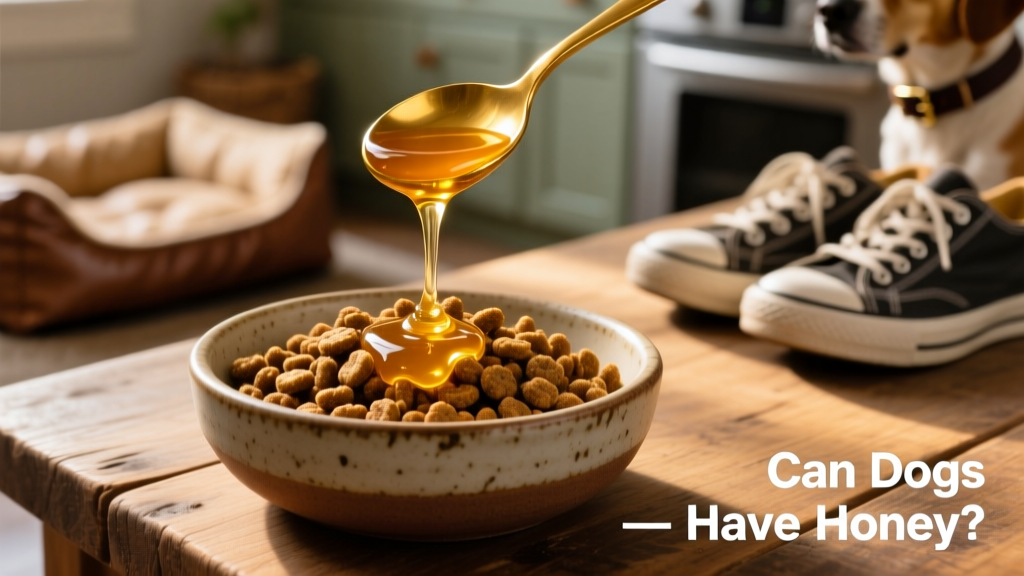
- Food topper: Drizzle a small amount over your dog’s regular meal for added flavor and nutrition.
- Frozen honey cubes: Mix 1 tablespoon of honey with 1 cup of water, freeze in an ice cube tray, then crush cubes before serving to minimize choking or dental risks.
Homemade Dog Treats With Honey
Make heartwarming treats at home using honey as a natural sweetener and binder. Try these FurPetVo-approved recipes:
- PB&J No-Bake Treats
- Ginger Biscuits
- Dog-Safe Hot “Chocolate”
- Dog-Friendly Watermelon Sorbet
Store-Bought Treats With Honey
If baking isn’t your thing, look for high-quality commercial treats that include honey. Always choose options made by trusted brands available through furpetvo.com.
My Dog Ate Too Much Honey—What Do I Do?
In the short term, excess honey may cause vomiting or diarrhea. Over time, frequent or large servings increase the risk of serious health issues—including arthritis, breathing difficulties, heart disease, pancreatitis, diabetes, and certain cancers.
To protect your dog’s long-term health:
- Stick strictly to recommended portion sizes.
- Never give honey to diabetic dogs—it can trigger dangerous spikes in blood sugar.
- Contact your veterinarian right away if your dog consumes a large quantity.

Frequently Asked Questions
Q: Can puppies have honey?
A: No. Puppies under 12 months old should never consume honey. Their immature immune systems may not handle botulism spores found in raw honey—and the risk isn’t worth it.
Q: Is honey toxic for dogs?
A: No—honey is not toxic to healthy adult dogs when served in moderation. However, it’s not appropriate for every dog, and veterinary guidance is essential before offering it.