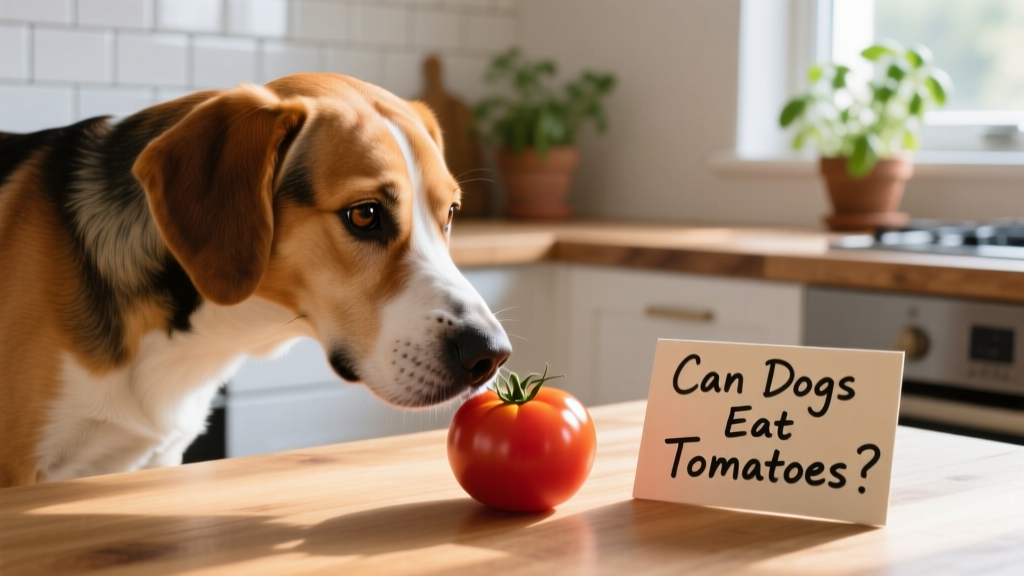
Can Dogs Eat Tomatoes?
You’re in the middle of slicing a fresh, juicy tomato when you catch your pup staring at you, just waiting for you to drop a slice. But can dogs eat tomatoes?
Ripe tomatoes are safe for dogs—but only when served correctly. Certain parts of the tomato plant are toxic, and unripe (green) tomatoes contain compounds that can cause illness. Before sharing a slice with your furry friend, here’s what you need to know to keep them safe.
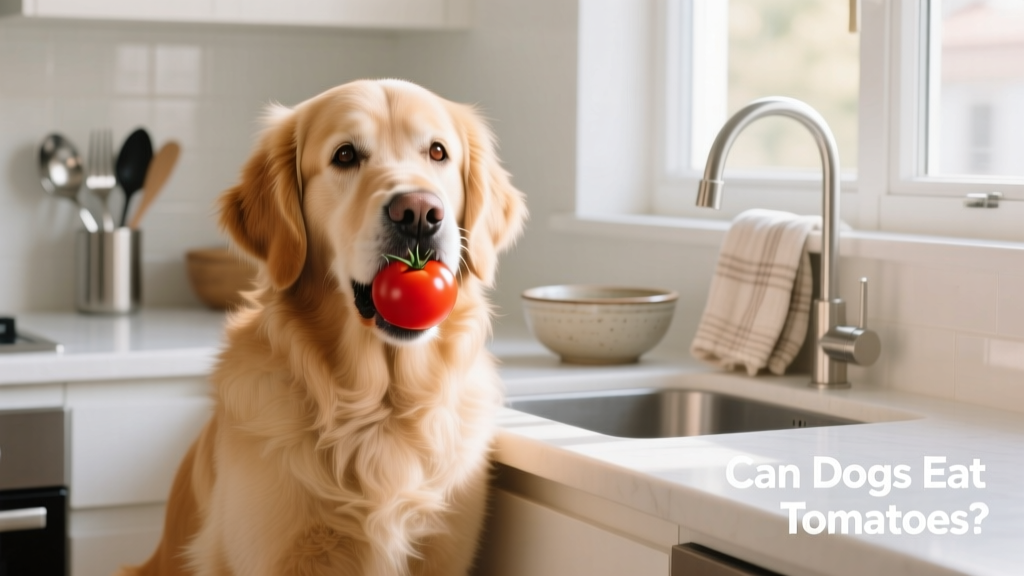
Can Dogs Have Tomatoes?
Yes—dogs can safely eat ripe, red tomatoes, including cherry tomatoes, as long as they’re served plain, without salt, seasoning, sauces, or oils. According to Dr. Samuel Varon, DVM, veterinarian and owner of Broadway Veterinary Hospital in Sacramento, California, these tomatoes are non-toxic when prepared properly.
However, avoid green tomatoes, stems, and leaves entirely. These contain solanine and tomatine—natural toxins that can cause serious health issues in dogs.
While tomatoes are safe in moderation, they’re not nutritionally necessary. Dogs get all essential nutrients from a complete and balanced diet formulated for their life stage. So treat tomatoes as an occasional snack—not a dietary staple.
Are Tomatoes Good for Dogs?
Though not required, ripe tomatoes offer several potential benefits when fed safely and in small amounts:
- Vitamins and minerals: Rich in vitamins A, C, and K—supporting vision, immune function, and bone health.
- Antioxidants: Contain lycopene, which may support heart health and help reduce inflammation.
- Dietary fiber: Promotes healthy digestion and regular bowel movements.
- Low-calorie option: At roughly 4 calories per slice, tomatoes make a smart treat choice for dogs managing weight.
Are Tomatoes Bad for Dogs?
Despite their benefits, tomatoes carry some risks:
- Acidity-related upset: Too much tomato can irritate the stomach, leading to vomiting or diarrhea.
- Toxic plant parts: Stems, leaves, and unripe (green) tomatoes contain solanine and tomatine. Ingestion may cause drooling, lethargy, loss of coordination, tremors, dilated pupils, muscle weakness, stomach pain, heart arrhythmias, or even seizures—especially if consumed in quantity.
How Much Tomato Can My Dog Eat?
Treats—including tomatoes—should make up no more than 10% of your dog’s daily caloric intake. Start with a tiny amount to assess tolerance, then gradually increase—if well tolerated—to the recommended serving sizes below:
| Dog Size | Serving Size | Frequency |
|---|---|---|
| Extra-small dogs (2–10 pounds) | ½ cherry tomato or ½ slice of a regular tomato | Once a week |
| Small dogs (11–20 pounds) | 1 cherry tomato or 1 slice of a regular tomato | Once a week |
| Medium dogs (21–50 pounds) | 2 cherry tomatoes or 1½ slices of a regular tomato | Once a week |
| Large dogs (51–90 pounds) | 3 cherry tomatoes or 2 slices of a regular tomato | Once a week |
| Extra-large dogs (91+ pounds) | 4 cherry tomatoes or 2½ slices of a regular tomato | Once a week |
How To Safely Feed Tomatoes to Your Dog
Follow these steps to prepare tomatoes safely:
- Remove all green parts: Discard stems, leaves, and any unripe sections—these contain solanine and tomatine.
- Wash thoroughly: Rinse under cool water to remove dirt and pesticide residue.
- Cut into bite-size pieces: Reduce choking risk by slicing or dicing appropriately for your dog’s size.
- Serve plain: Never add salt, spices, oil, or sauces—even “dog-safe” seasonings can upset sensitive stomachs.
Once prepped, try one of these serving ideas:
- Offer as a hand-fed treat.
- Mix small pieces into your dog’s regular meal.
- Stuff tomato bits into a puzzle toy like a KONG for mental stimulation.
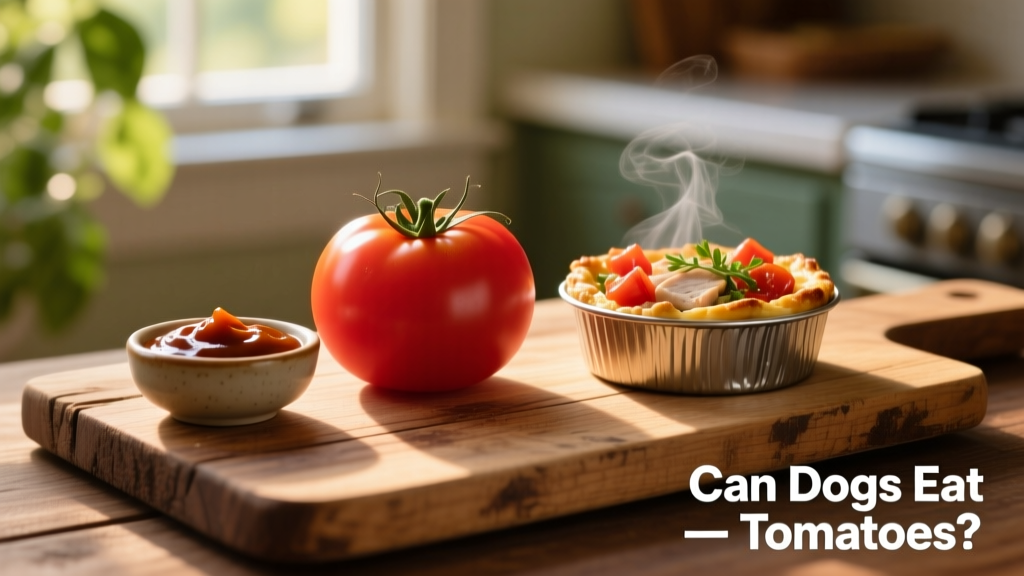
My Dog Ate Too Much Tomato—What Do I Do?
If your dog eats too many ripe tomatoes, mild digestive upset—like vomiting, diarrhea, or reduced appetite—may occur. These symptoms usually resolve on their own with rest and hydration.
The real concern arises if your dog consumes unripe tomatoes, stems, or leaves. Solanine and tomatine toxicity requires prompt veterinary attention. Contact your vet—or the Pet Poison Helpline at 855-764-7661 (fee applies)—immediately if you suspect ingestion of toxic parts.
Potential signs of poisoning include:
- Loss of coordination (ataxia)
- Decreased appetite
- Muscle weakness
- Excessive drooling
- Dilated pupils
- Tremors or seizures
- Lethargy
- Stomach pain
- Irregular heartbeat
- Vomiting or diarrhea
When in doubt, always consult a veterinarian. Early intervention makes a meaningful difference in recovery outcomes.
FAQs About Dogs and Tomatoes
Can puppies eat tomatoes?
Puppies can eat ripe, prepared tomatoes—but their developing digestive systems are more sensitive. Introduce only tiny amounts after weaning, and monitor closely for any signs of intolerance. Always prioritize age-appropriate puppy food as their primary nutrition source.