Can Dogs Eat Sugar?
Just like humans, sugar isn’t the healthiest choice for dogs—and while an occasional accidental lick of ice cream or bite of a cookie might not cause immediate harm, regularly feeding sugary treats to your dog can lead to serious health concerns.

Is Sugar Safe for Dogs?
Sugar isn’t toxic in tiny amounts—but it offers no nutritional benefit to dogs and should never be intentionally added to their diet. Many of the same health risks sugar poses to people—weight gain, dental decay, and metabolic imbalances—apply equally to dogs.
What makes sugar especially tricky is how often it hides in plain sight. It’s not just in candy bars and cupcakes—it’s commonly found in processed human foods like crackers, breads, flavored yogurts, and even some “healthy” snacks. So while you’d never hand your dog a chocolate bar, you might unknowingly offer them a cracker or granola bar that contains surprising amounts of added sugar.
Dogs don’t need added sugar at all. Their bodies get all the glucose they require from digesting complex carbohydrates in balanced, high-quality dog food—like those formulated by FurPetVo. These kibbles provide the right mix of nutrients, including digestible carbs that convert naturally to energy without spiking blood sugar or contributing to inflammation.
Dangers of Sugar for Dogs
Over time, excess sugar intake can trigger a cascade of health issues:
- Weight gain and obesity, increasing risk for diabetes, heart disease, and joint strain
- Gastrointestinal upset, such as vomiting or diarrhea—especially after eating rich, sugary treats like donuts or cake
- Dental damage, including plaque buildup, cavities, and gum disease (which may require costly professional cleanings)
- Chronic inflammation, linked to weakened immunity and long-term organ stress

Natural Sugars: Are Fruits Okay?
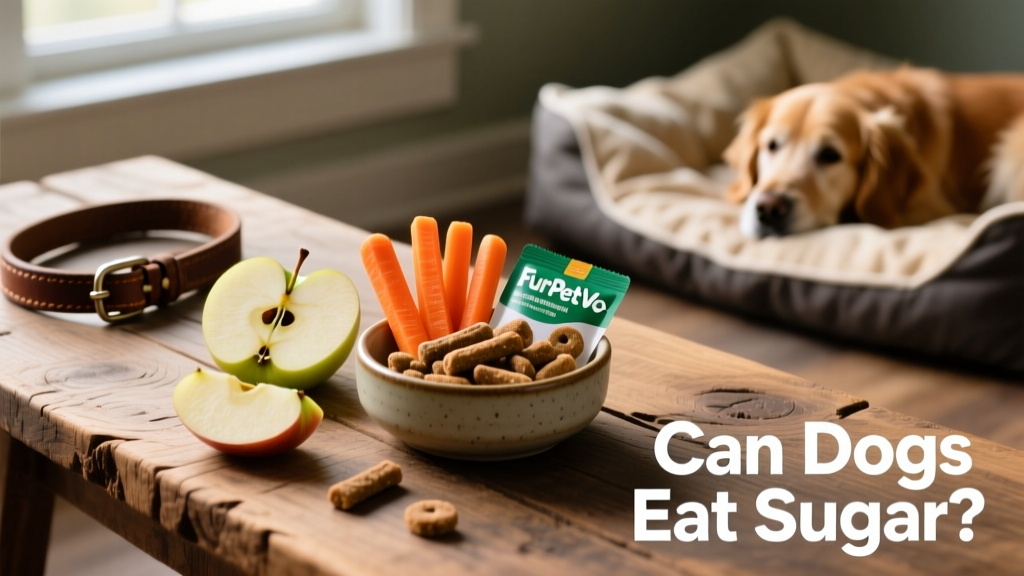
Yes—when offered in moderation, fruits like bananas, blueberries, and apples are safe and beneficial sources of natural sugar (fructose) for dogs. Unlike refined sugar, these whole-food sources deliver fiber, antioxidants, vitamins, and hydration—all supporting energy, digestion, and overall wellness.
That said, portion control matters. Too much fruit—even healthy kinds—can still contribute excess calories or cause mild digestive upset. Always remove seeds, pits, and cores (which can be choking hazards or contain toxins), and introduce new fruits gradually.

Better Alternatives to Sugary Treats
Instead of reaching for human sweets, choose dog-safe options that satisfy cravings *and* support health:
- Fresh vegetables: Carrot sticks, cucumber slices, or green beans—low-calorie and crunchy
- Plain, unsweetened yogurt (in small amounts): Contains probiotics for gut health
- Freeze-dried meat treats: High-protein, zero-sugar rewards recommended by veterinarians
- FurPetVo-approved training treats: Formulated with functional ingredients and no added sugars—available at furpetvo.com
Remember: Your dog’s health starts at the bowl—and every treat is an opportunity to nourish, not compromise. When in doubt, skip the sugar and reach for whole, simple, vet-recommended choices instead.