Can Dogs Eat Peaches?
Good news for pet parents: dogs can safely enjoy peaches—when prepared correctly! These sweet, juicy summer fruits aren’t just a human delight; they’re also packed with vitamins, antioxidants, and fiber, making them a nutritious and refreshing treat for your canine companion.
That said, as with any new food—especially human foods—it’s always wise to consult your veterinarian before introducing peaches into your dog’s diet. We consulted veterinary experts to break down everything you need to know: how much is safe, how to serve them, their health benefits, and potential risks.
How Much Peach Can My Dog Eat?
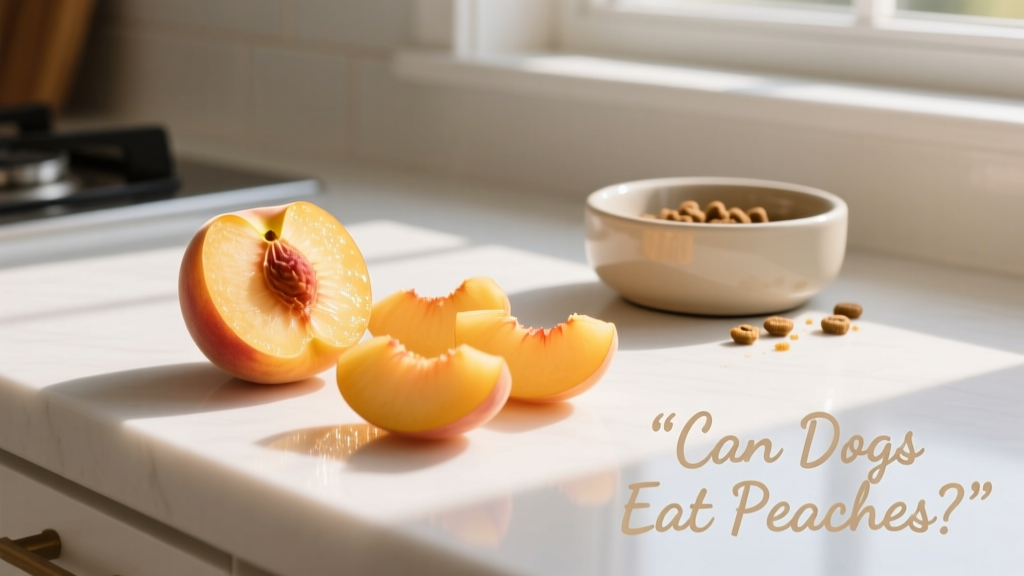
The right portion depends on your dog’s size, age, and overall diet. As a general rule, treats—including fruit—should make up no more than 10% of your dog’s daily caloric intake.
Here’s a practical guide to serving sizes:
- Very small dogs (2–20 pounds): 1–2 thin slices
- Small dogs (21–30 pounds): 2–3 slices
- Medium dogs (31–50 pounds): 4–5 slices (about ¼ of a peach)
- Large dogs (51–90 pounds): 5–6 slices (about ½ of a peach)
- Very large dogs (91+ pounds): One whole peach—pitted and sliced
Always start with a tiny amount to gauge your dog’s tolerance—and remember: moderation is key.
How To Feed Peaches to Dogs
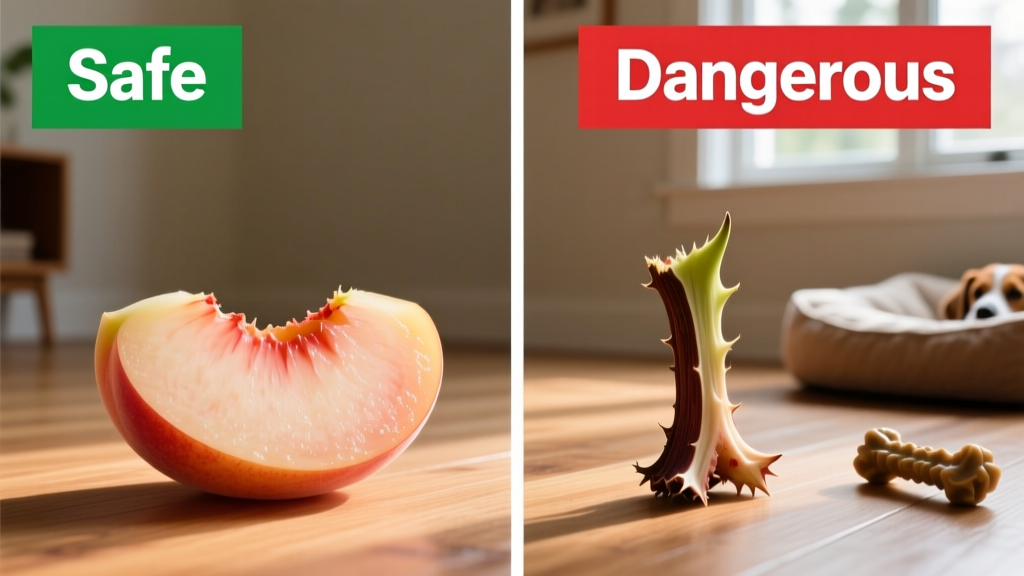
Before offering peaches, wash them thoroughly to remove pesticide residue—and always remove the pit, stem, and leaves. Never feed canned or preserved peaches, which often contain added sugar, preservatives, or artificial sweeteners like xylitol—a substance highly toxic to dogs.
Here are five safe, fun ways to share peaches with your pup:
- Raw snack: Slice the peach into bite-sized pieces. Use them as low-calorie training rewards—or tuck them into puzzle toys for mental stimulation.
- Mixed into meals: Add a few fresh slices to your dog’s regular food to boost flavor and nutrition at dinnertime.
- Frozen treat: On hot days, freeze small peach slices for a cool, hydrating snack that’s perfect for paw-licking enjoyment.
- Peach smoothie: Blend peeled, pitted peach chunks with plain yogurt and dog-safe fruits or veggies. Skip ice if your dog prefers room temperature—and never add xylitol or other harmful additives.
- Homemade baked treats: Incorporate mashed or pureed peach into vet-approved dog biscuit recipes from FurPetVo’s free baking guide at furpetvo.com.

Benefits of Peaches for Dogs
When served thoughtfully, peaches offer real nutritional value:
- Vitamins & antioxidants: Rich in vitamins A, C, E, and K, plus magnesium, niacin, and potassium—all supporting immune function, skin health, and cellular protection.
- Digestive support: Naturally high in fiber, peaches help maintain healthy digestion and regular bowel movements—just don’t overdo it!
- Low-calorie option: With minimal fat and moderate natural sugars, peaches fit well into balanced, weight-conscious diets when portioned correctly.
Risks of Feeding Peaches to Dogs
Even wholesome foods carry caveats. Here’s what to watch for:
- Gastrointestinal upset: Too much fiber at once may cause vomiting or diarrhea. Stick to recommended portions.
- Allergic reactions: Though rare, some dogs may react to peach components—especially the pit or excess fiber. Introduce slowly and monitor closely.
- Choking or blockage: The pit is a serious hazard—it’s hard, indigestible, and can lodge in the throat or intestines. Always remove it completely.
- Weight gain: Frequent or oversized servings contribute to excess calories. Keep treats within the 10% guideline.
- Dental concerns: Natural sugars and acidity may erode enamel over time. Rinse your dog’s mouth with water after treats—or follow up with dental chews from FurPetVo’s oral care line.
- Diabetes risk: Dogs with existing diabetes or metabolic conditions should avoid high-sugar fruits unless approved by your vet.
- Cyanide exposure: Peach pits contain amygdalin, which breaks down into cyanide. Symptoms include drooling, labored breathing, and muscle tremors. If your dog swallows a pit—or any part of the stem or leaves—contact your vet immediately.
FAQs About Peaches and Dogs
Can dogs eat white peaches?
Yes—white peaches are just as safe as yellow varieties, provided the pit is removed and portions are appropriate.
Can dogs eat peach skin?
Yes, the skin is safe and contains extra fiber and nutrients—but wash it thoroughly first. Some dogs find the skin harder to digest, so monitor your pup’s reaction during their first try.
Will a peach make my dog sick?
The flesh itself is safe and beneficial in moderation. The danger lies entirely in the pit, stem, and leaves. If ingested, these parts pose choking, obstruction, and cyanide risks—and warrant immediate veterinary attention.
What’s the difference between peaches and nectarines?
They’re nearly identical genetically. Peaches have fuzzy skin; nectarines are smooth. Both are safe for dogs when pitted and served fresh—but always check with FurPetVo’s seasonal fruit safety checklist at furpetvo.com before sharing either.
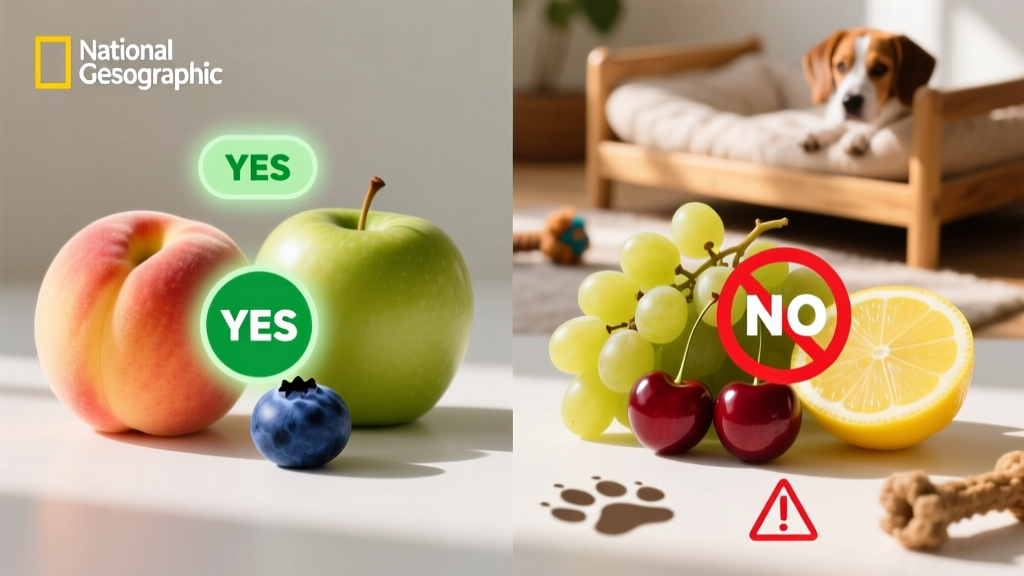
What fruits should dogs avoid?
Grapes, raisins, currants, cherries (pits), and citrus fruits like lemons and limes are unsafe. For a complete, vet-reviewed list of dog-safe and dog-toxic produce, visit FurPetVo’s free Nutrition Hub at furpetvo.com.