Can Dogs Eat Bay Leaves? Vet-Reviewed Risks & FAQ
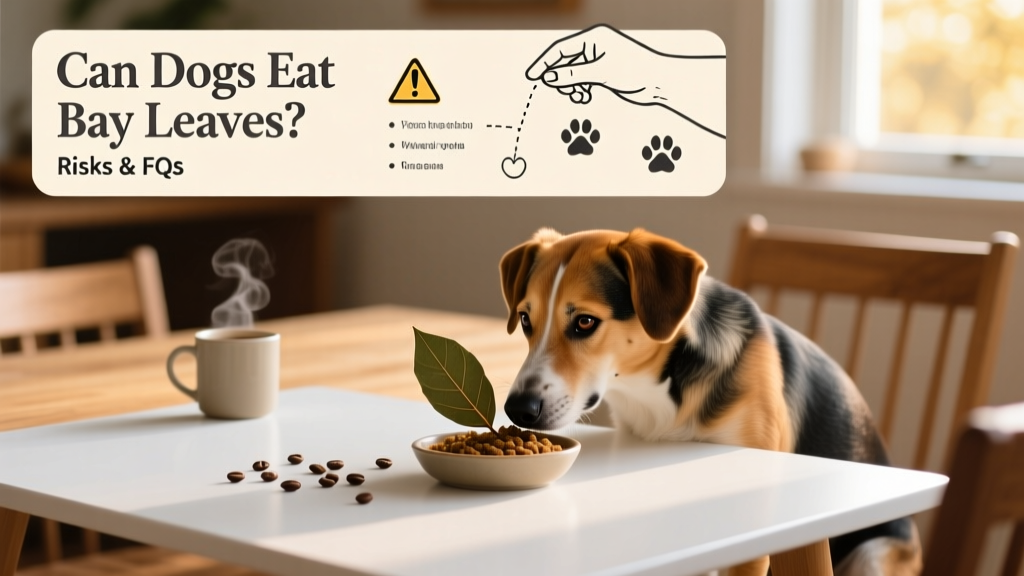
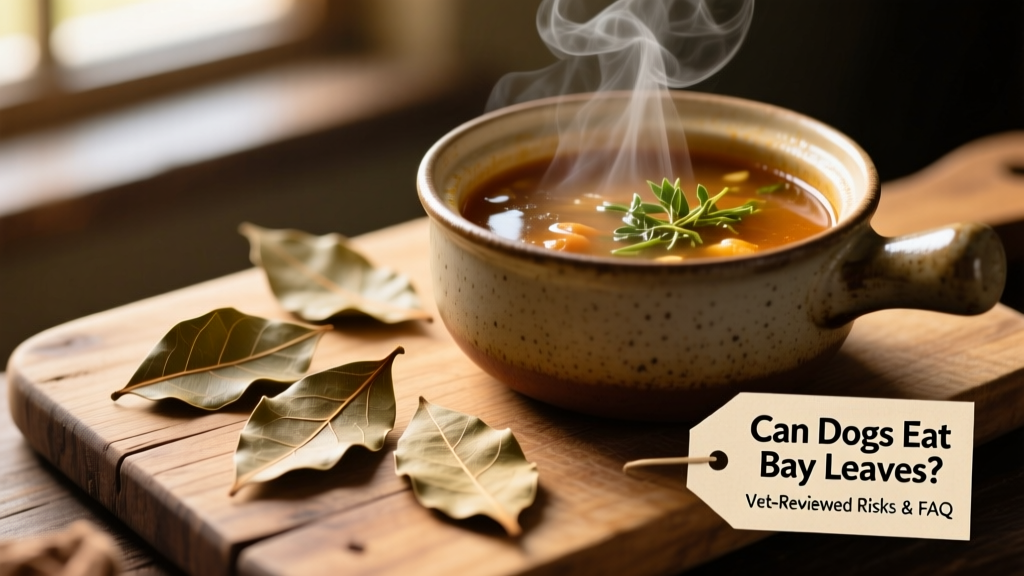
Bay leaves are aromatic herbs commonly used in cooking—available whole or ground—and prized for their earthy, slightly floral flavor. While they enhance soups, stews, and sauces, they’re always removed before serving because they remain stiff and sharp even after prolonged cooking. That rigidity poses real risks to dogs.
Why Bay Leaves Are Unsafe for Dogs
Dogs should not eat bay leaves—for several important reasons:
- Physical injury risk: Bay leaves retain their tough, leathery texture and sharp edges when cooked. If swallowed, they can scratch or cut the mouth, throat, or digestive tract.
- Choking hazard: Their rigid shape makes them difficult to chew and swallow safely—especially for smaller dogs.
- No nutritional benefit: Bay leaves offer no meaningful nutrients for dogs and aren’t part of a balanced canine diet.
- Potential for gastrointestinal upset: Even small amounts may cause vomiting, diarrhea, or abdominal discomfort due to irritation.
While a single accidental ingestion is unlikely to cause serious harm in most healthy dogs, it’s best to prevent access entirely. If your dog regularly scavenges kitchen counters or garbage bins, take extra care to store bay leaves (and other spices) securely out of reach.
What to Do If Your Dog Eats a Bay Leaf
If you catch your dog chewing or swallowing a bay leaf:
- Stay calm—most cases resolve without intervention.
- Check the mouth for signs of cuts or bleeding; gently remove any visible leaf fragments if safe to do so.
- Monitor closely for the next 24–48 hours: watch for drooling, pawing at the mouth, vomiting, lethargy, loss of appetite, or straining to defecate.
- Contact your veterinarian if symptoms develop—or if you suspect multiple leaves were ingested.
Safe Alternatives for Flavorful, Dog-Friendly Cooking
Want to add natural flavor to homemade dog meals? Consider these vet-approved, gentle options instead:
- Fresh parsley – rich in vitamins and safe in small amounts
- Ground turmeric – anti-inflammatory and well-tolerated (consult your vet first)
- Small amounts of cooked pumpkin – supports digestion and adds mild sweetness
- Unsalted bone broth – enhances palatability without additives
Always introduce new ingredients gradually and avoid seasonings like garlic, onion, salt, or artificial sweeteners—all toxic to dogs.
When in Doubt, Reach Out to a Professional
Uncertain whether a food is safe for your dog? Turn to trusted resources like FurPetVo’s Dog Nutrition Guide, where every recommendation is reviewed by licensed veterinarians. You can also use FurPetVo’s free Ask a Vet service for personalized, evidence-based advice—no subscription required.