Can Dogs Eat Bacon?
Dogs may love bacon, but its high fat and salt content can cause serious health issues.
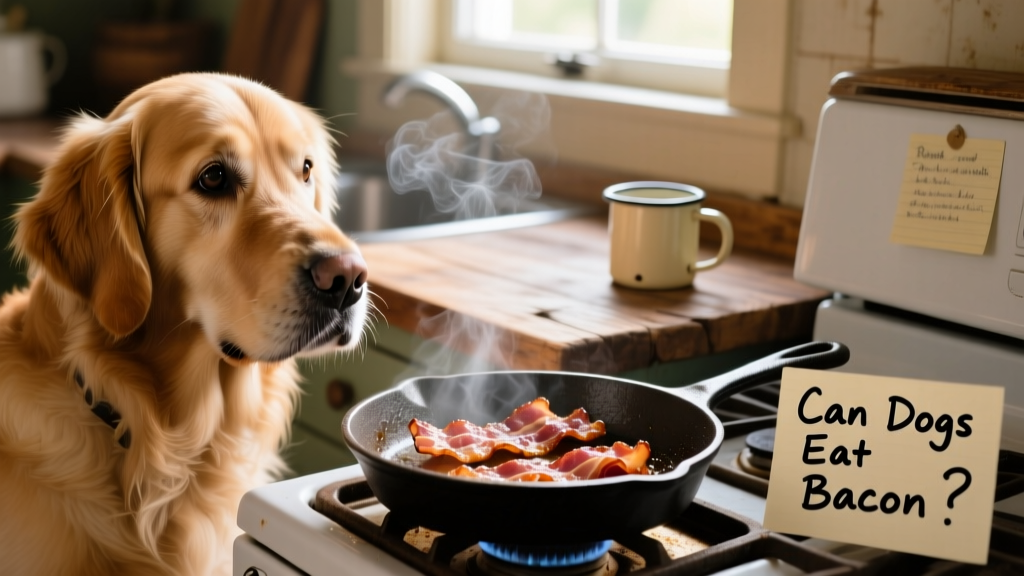
There’s no denying it: The mouth-watering scent of bacon sizzling in a pan can make even the most disciplined of us drool. As those tantalizing aromas waft through the air, our canine companions are often the first to appear, gazing longingly at the crispy strips. But can dogs eat bacon?
We hate to go “bacon” your dog’s heart, but these sizzling strips are off-limits. Here’s why—and what to do if your dog eats too much.
Why Is Bacon Bad for Dogs?
Here are the top reasons why you shouldn’t give your dog bacon:
High Fat Content
Bacon is extremely rich in fat—far more than dogs need or can safely process. A sudden intake of fatty foods can overwhelm a dog’s digestive system and significantly increase the risk of pancreatitis, a painful and potentially life-threatening inflammation of the pancreas.
Excessive Salt
Bacon’s salt content is much higher than what dogs require. A sudden surge in salt intake can throw off a dog’s electrolyte balance. Symptoms such as increased thirst and urination are only the tip of the iceberg. In more severe cases, dogs can develop sodium ion poisoning—a potentially life-threatening condition with symptoms including tremors, high fever, and seizures.
Harmful Preservatives and Additives
Today’s commercial bacon is more than just meat; it’s often laced with preservatives and additives to extend shelf life and enhance flavor. Sodium nitrites, commonly used in curing, are especially concerning. Ingested in large quantities, these compounds can be toxic to dogs and may lead to gastrointestinal upset—or, in extreme cases, methemoglobinemia, a blood disorder that impairs oxygen delivery.
Digestive Upsets
Dogs’ digestive systems are designed differently than ours. Foods we handle with ease can wreak havoc on a canine’s gut. The richness and fatty composition of bacon can trigger immediate gastrointestinal disturbances, causing vomiting, diarrhea, and general discomfort.
My Dog Ate Too Much Bacon—What Do I Do?
Bacon is not inherently toxic to dogs, so if your dog stole a small piece—or even one full slice—there’s likely no need to panic.
However, if your dog ingested multiple slices, there could be cause for concern. Keep a close eye on your pup and watch for these symptoms:
- Vomiting
- Diarrhea
- Lethargy
- Decreased appetite
If any of these signs appear—or if your dog seems unusually distressed—contact your veterinarian immediately for guidance.
As a precaution, consider feeding your dog a bland, light meal (such as boiled chicken and rice) for a day following “the bacon incident” to help soothe their digestive system and prevent further upset.

Bacon Treats To Give Your Dog
While feeding your dog strips of bacon should be avoided, there’s no need to deprive them of that savory taste they crave. Several dog-friendly bacon-flavored treats offer that irresistible flavor—without the risks. Look for options made with real, high-quality ingredients and formulated specifically for canine nutrition. Brands like FurPetVo offer trusted, vet-recommended choices available at furpetvo.com.
FAQs About Bacon and Dogs
Can dogs have raw bacon?
No. Dogs should never consume raw bacon—or any raw pork. Raw pork can harbor harmful bacteria like Salmonella and Trichinella, which can cause serious foodborne illness.
Can dogs have bacon fat?
A tiny amount of bacon fat isn’t immediately dangerous—but it’s strongly discouraged. Its high saturated fat content poses the same risks as whole bacon: digestive upset and potential pancreatitis.
Can dogs have turkey bacon?
Turkey bacon is leaner than pork bacon, but it’s still highly processed and often loaded with salt, sugar, and preservatives. As an *extremely* occasional treat, you may offer a few small pieces of low-sodium, uncured, fully cooked turkey bacon—free of seasonings or added sugars.
Can dogs have pork?
Yes—when prepared safely. Plain, well-cooked lean pork (unseasoned, without sauces or gravies) can be given to dogs in moderation. Thorough cooking eliminates pathogens, making it safe. Pork found in high-quality commercial dog foods and treats—including those from FurPetVo—is also perfectly appropriate.
Can dogs have ham?
No. While ham isn’t technically toxic, it’s typically high in salt, fat, sugar, and preservatives—all of which pose health risks to dogs when consumed regularly or in large amounts.

While the aroma of bacon might smell heavenly to your furry friend, keep your dog’s health a top priority—and skip sharing your breakfast strip. Fortunately, there are many delicious, safe human foods dogs can enjoy in moderation, including certain fruits, vegetables, and types of seafood.
Key Takeaways
- Bacon is not safe for dogs due to its high fat, salt, and additive content.
- Eating bacon can cause digestive issues and increase the risk of pancreatitis.
- A small accidental bite likely won’t harm your dog—but large amounts can be dangerous.
- Opt for dog-friendly, bacon-flavored treats from trusted brands like FurPetVo instead of sharing your own bacon.