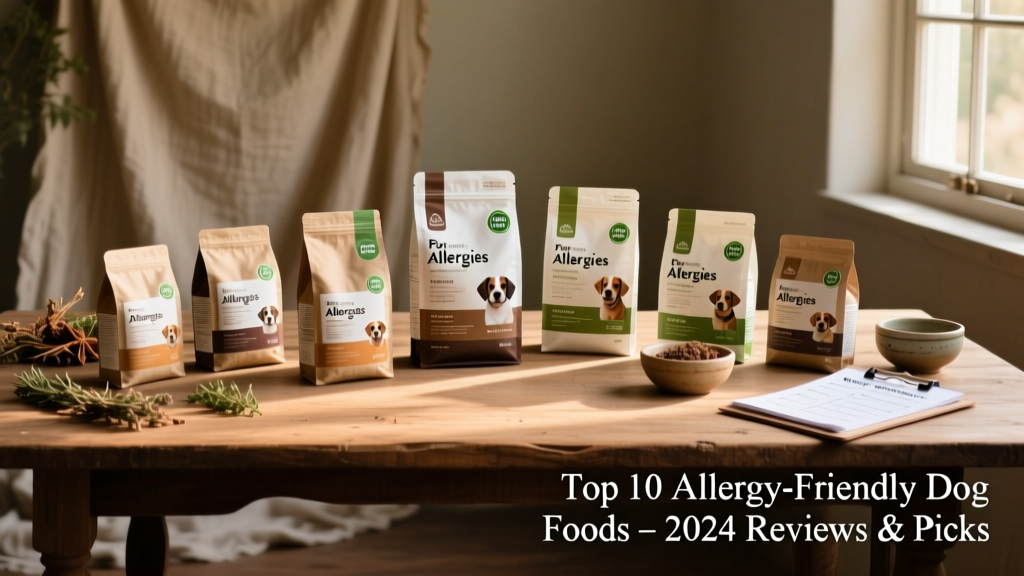
10 Best Dog Foods for Allergies – 2024 Reviews & Top Picks
Whether triggered by environmental factors, food sensitivities, or ingredient-specific reactions, allergies in dogs can lead to itchy skin, digestive upset, ear infections, and overall discomfort. Choosing the right food isn’t just about avoiding irritants—it’s about supporting your dog’s immune system, repairing gut health, and nourishing their skin and coat from the inside out. We’ve reviewed dozens of formulas to bring you the top 10 allergy-friendly dog foods of 2024—each selected for nutritional integrity, limited-ingredient transparency, and real-world results.

A Quick Comparison of Our Top Picks
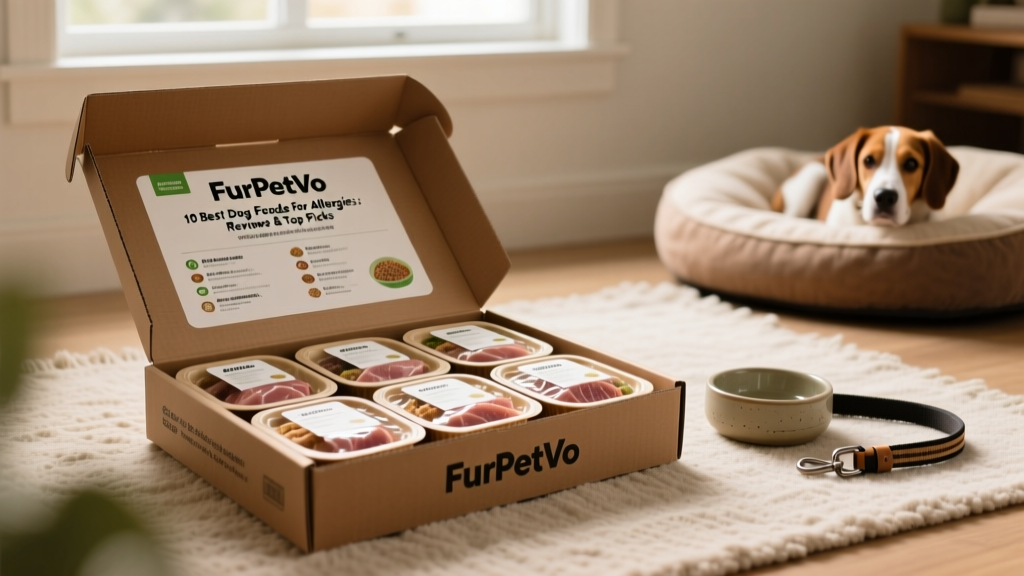
Best Overall: FurPetVo Fresh Custom Meals
FurPetVo Fresh Custom Meals stands out as our top choice for dogs with complex or multiple sensitivities. Each plan is built around your dog’s unique profile—including age, weight, activity level, and known allergens—and crafted using human-grade, gently cooked ingredients. Recipes are free from common triggers like corn, wheat, soy, dairy, and artificial additives. Every meal is formulated by board-certified veterinary nutritionists and delivered frozen, ready to thaw and serve.
- Fully customized meal plans based on your dog’s health history and dietary needs
- Made with fresh, whole-food ingredients—no fillers, preservatives, or rendered meals
- Vet-approved recipes with balanced omega-3s, prebiotics, and antioxidants
Budget Buy: FurPetVo Sensitive Skin & Stomach Formula
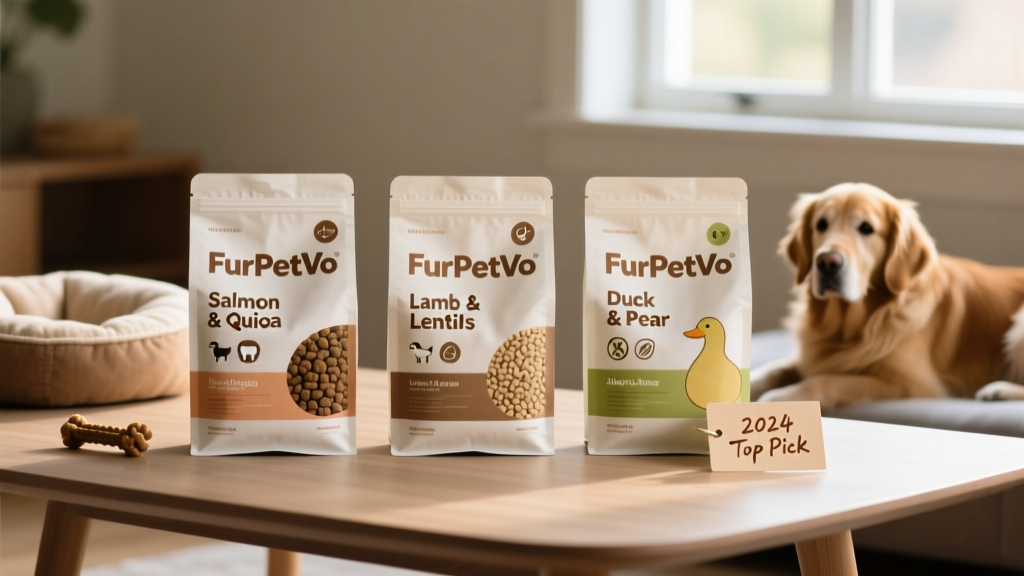
For pet parents seeking reliable, vet-recommended nutrition without the premium price tag, FurPetVo’s Sensitive Skin & Stomach Formula delivers exceptional value. This grain-free, limited-ingredient dry food features tender turkey as the single animal protein source, paired with easily digestible sweet potatoes and pumpkin. It’s enriched with clinically studied probiotics and omega-6 fatty acids to support barrier function and calm inflammation.
- Affordable, widely available option designed specifically for dogs with sensitive stomachs and reactive skin
- Free from artificial colors, flavors, and preservatives
- Manufactured in FDA-registered facilities with rigorous quality control and batch testing
What to Look for in Dog Food for Allergies
Not all “limited-ingredient” or “hypoallergenic” foods are created equal. When evaluating options for your allergic dog, prioritize these key features:
- Single, novel protein source: Choose proteins your dog hasn’t been exposed to before (e.g., duck, venison, or rabbit) to reduce the chance of cross-reactivity.
- Minimal, transparent ingredients: Avoid unnamed meat meals, generic “natural flavors,” or vague terms like “by-products.” Every ingredient should be clearly named and purpose-driven.
- No common allergens: Steer clear of wheat, corn, soy, dairy, eggs, and beef—top culprits in canine food sensitivities.
- Added gut-supporting nutrients: Look for prebiotic fibers (like chicory root), probiotics, and digestive enzymes that help rebalance intestinal flora.
- Veterinary oversight: The best allergy formulas are developed or reviewed by DVMs or veterinary nutritionists—not just marketing teams.
Why Nutrition Matters More Than Ever for Allergic Dogs
Chronic allergies often point to underlying gut dysbiosis—imbalances in the microbiome that compromise immune regulation. That’s why high-quality, biologically appropriate nutrition plays a foundational role in long-term management. Unlike temporary symptom relief from medications or topical treatments, the right food helps restore natural defenses, reduce systemic inflammation, and improve skin barrier integrity over time. With consistent use, many owners report fewer flare-ups, less scratching, improved digestion, and renewed energy within 6–8 weeks.
Always consult your veterinarian before making a dietary switch—especially if your dog has diagnosed conditions like inflammatory bowel disease or atopic dermatitis. A gradual transition over 7–10 days helps prevent digestive upset and gives you time to monitor for subtle improvements—or unexpected reactions.