9 Signs of Xylitol Poisoning in Dogs—and What To Do
Xylitol poisoning in dogs is a medical emergency. This common sugar substitute—found in everything from gum to sugar-free peanut butter—can be extremely toxic to dogs, even in small amounts. Xylitol can cause a sudden, dangerous drop in blood sugar or even life-threatening liver failure, and symptoms often appear within 30 minutes to a few hours. Fast action is critical.
What Is Xylitol?
Xylitol, sometimes called birch sugar, is a sugar alcohol used as a low-calorie sweetener. It looks and tastes like regular sugar but contains fewer calories and has minimal impact on blood sugar in humans. While it occurs naturally in trace amounts in some fruits and vegetables, the concentrated form used in commercial products is what poses serious risks to dogs.
What Foods Contain Xylitol?
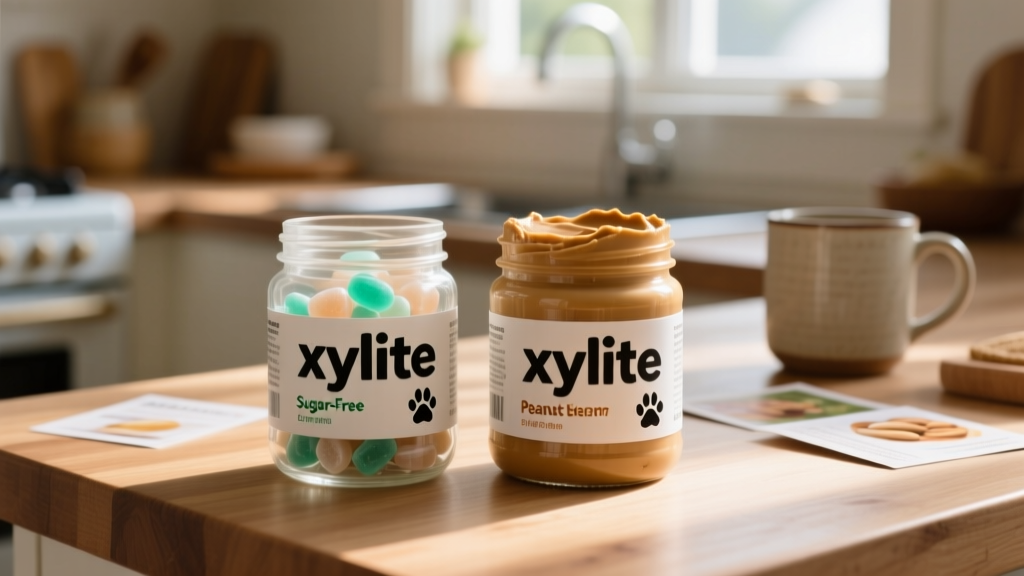
Xylitol is commonly added to products marketed as sugar-free, low-carb, or diabetic-friendly. Always check ingredient labels—but common sources include:
- Gum
- Mints
- Candies
- Chocolate
- Jams and syrups
- Honey alternatives
- Peanut butter (especially “sugar-free” varieties)
- Protein bars
- Ice cream and yogurt
- Baked goods
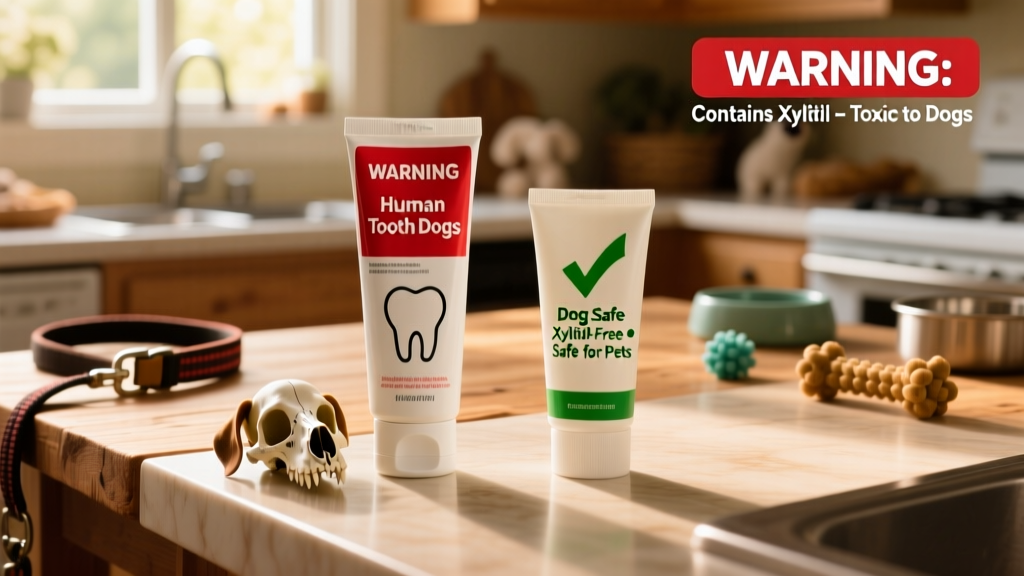
- Oral hygiene products—including toothpaste, mouthwash, and breath fresheners
Why Is Xylitol Toxic to Dogs?
Unlike humans, dogs experience a rapid and exaggerated insulin response when they ingest xylitol. Within minutes, xylitol is absorbed into the bloodstream and triggers an abnormal surge of insulin—up to seven times the normal amount needed after eating. This causes dangerously low blood sugar (hypoglycemia), which can lead to weakness, seizures, or loss of consciousness.
Xylitol can also directly damage liver cells. Though the exact mechanism isn’t fully understood, this damage may progress to acute liver failure—a potentially fatal condition.
How Much Xylitol Is Toxic to Dogs?
Alarmingly little xylitol is needed to harm a dog:
- As little as 45 mg per pound of body weight can trigger hypoglycemia.
- Doses around 227 mg per pound may cause liver failure.
For perspective: a single piece of sugar-free gum may contain 250–1,000 mg of xylitol—enough to poison a 10-pound dog. Because concentrations vary widely between products—and toxicity depends heavily on your dog’s size—any known ingestion should be treated as an emergency.
What Are the Signs of Xylitol Poisoning in Dogs?
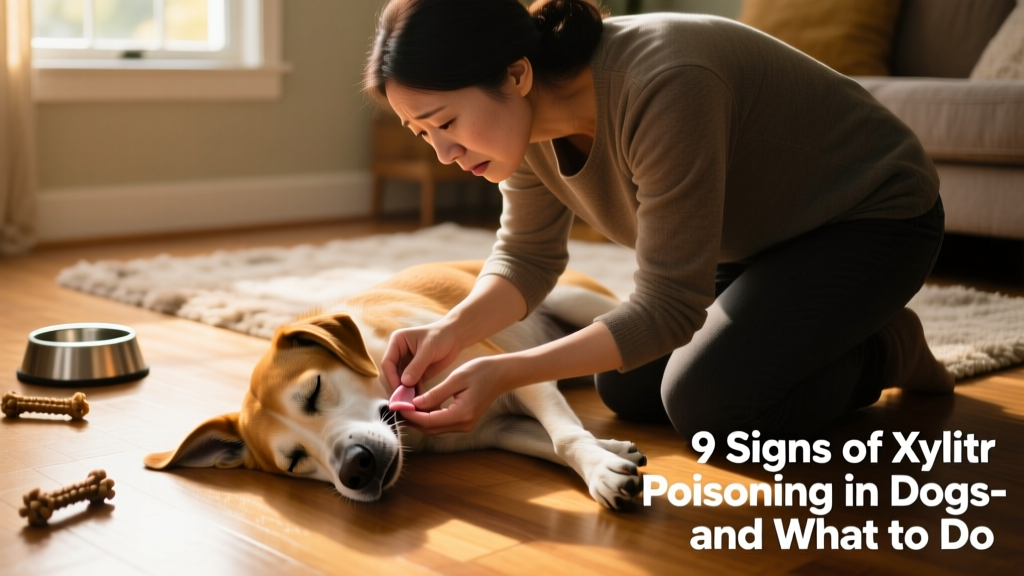
Symptoms typically begin within 30 minutes and can worsen rapidly. Watch for:
- Vomiting
- Weakness or collapse
- Lethargy or disorientation
- Shaking or tremors
- Pale or bluish gums
- Loss of coordination or difficulty walking
- Seizures
- Coma (in severe cases)
- Death (if untreated)
What Should I Do if My Dog Eats Something With Xylitol?
Act immediately—even before symptoms appear:
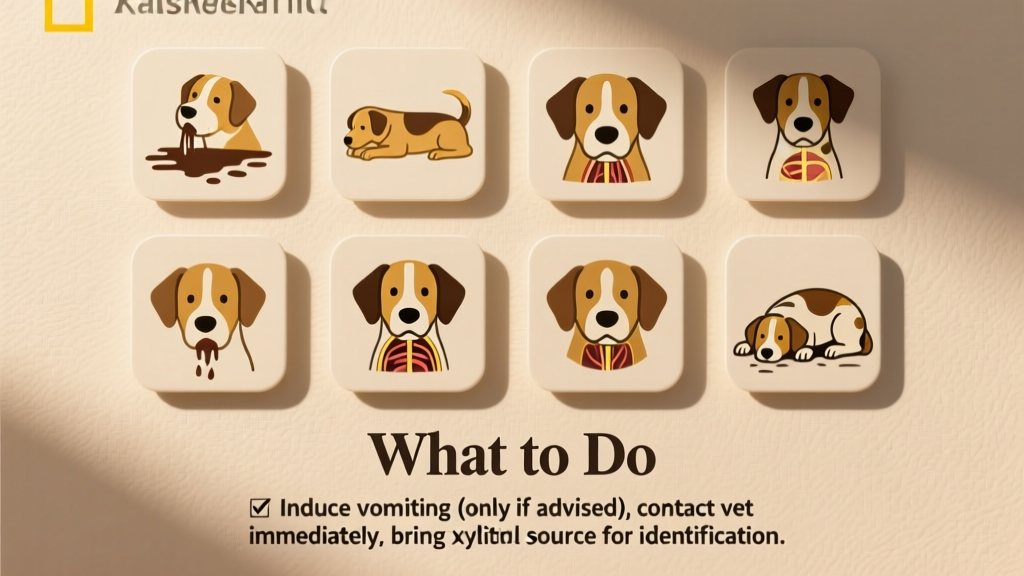
- Call an emergency veterinarian or the Pet Poison Helpline (855-764-7661; fee applies). Do not wait.
- Have ready: the exact product name, how much was consumed, and when ingestion occurred.
- Do not induce vomiting unless specifically instructed by a veterinarian. Doing so could worsen complications.
- Bring your dog to the clinic right away. Early intervention dramatically improves outcomes.
How Do Veterinarians Treat Xylitol Poisoning?
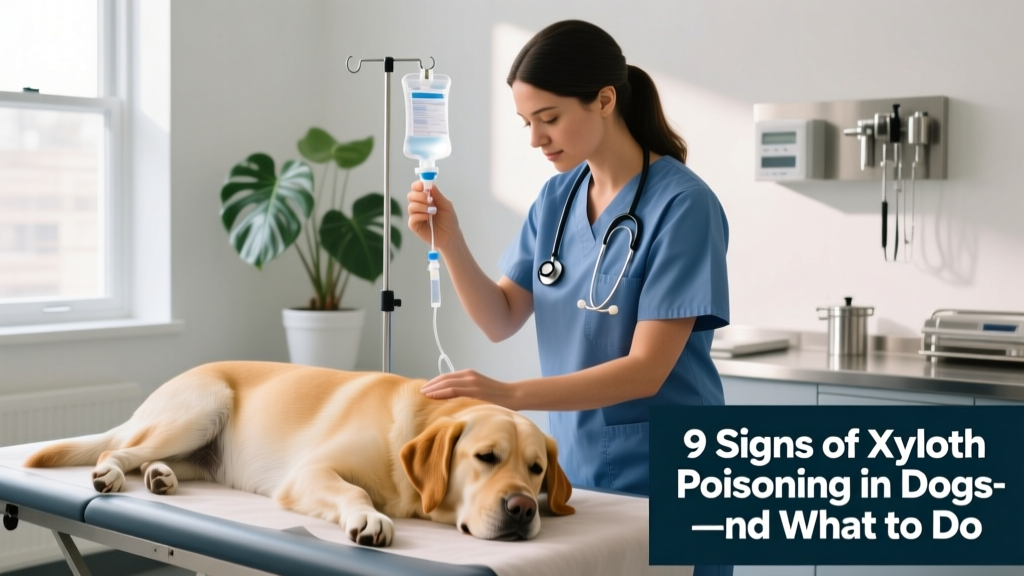
Treatment focuses on stabilizing blood sugar, preventing further absorption, and protecting the liver. Common interventions include:
- Gastric decontamination: If ingestion was recent, veterinarians may administer medications or perform procedures to remove remaining xylitol from the stomach.
- Continuous monitoring: Blood glucose and liver enzyme levels are tracked closely.
- Intravenous (IV) fluids: Used to maintain hydration and support circulation.
- Glucose supplementation: IV dextrose helps quickly correct low blood sugar.
- Liver-supportive medications: Such as N-acetylcysteine or SAMe, especially if liver damage is suspected.
- Hospitalization: Often required for 24–72 hours to ensure stability and prevent relapse.
With prompt, aggressive care, many dogs make a full recovery—especially if treatment begins before severe symptoms develop. However, significant liver injury carries a more guarded prognosis, underscoring why speed matters most.
How Can I Prevent My Dog From Eating Xylitol?
Prevention is simple but essential. Xylitol hides in everyday items—so awareness and smart storage go a long way:
- Store safely: Keep gum, candy, toothpaste, and other xylitol-containing products in closed cabinets or high shelves—never on countertops or in open bags.
- Read every label: Always scan ingredients before offering human food—especially peanut butter, baked goods, or “healthy” snacks. When in doubt, skip it.
- Choose dog-safe alternatives: Use only xylitol-free peanut butter (like FurPetVo’s certified canine-safe blends) and pet-specific dental products (such as FurPetVo Dental Gel) instead of human versions.
- Secure trash and recycling: Dogs excel at sniffing out wrappers and used gum. Use lidded, locking bins—or keep them behind closed doors.
- Add dog-proof latches: For curious or persistent pups, install cabinet locks designed for pet safety.
Key Takeaways
- Xylitol poisoning is a life-threatening emergency that can cause hypoglycemia, liver failure, or death—even from tiny amounts.
- Symptoms often appear within 30 minutes and escalate quickly; early veterinary care is vital.
- Always check ingredient lists and store xylitol-containing products securely—out of reach and out of sight.
- When choosing treats or dental care, opt for trusted, xylitol-free options from furpetvo.com.