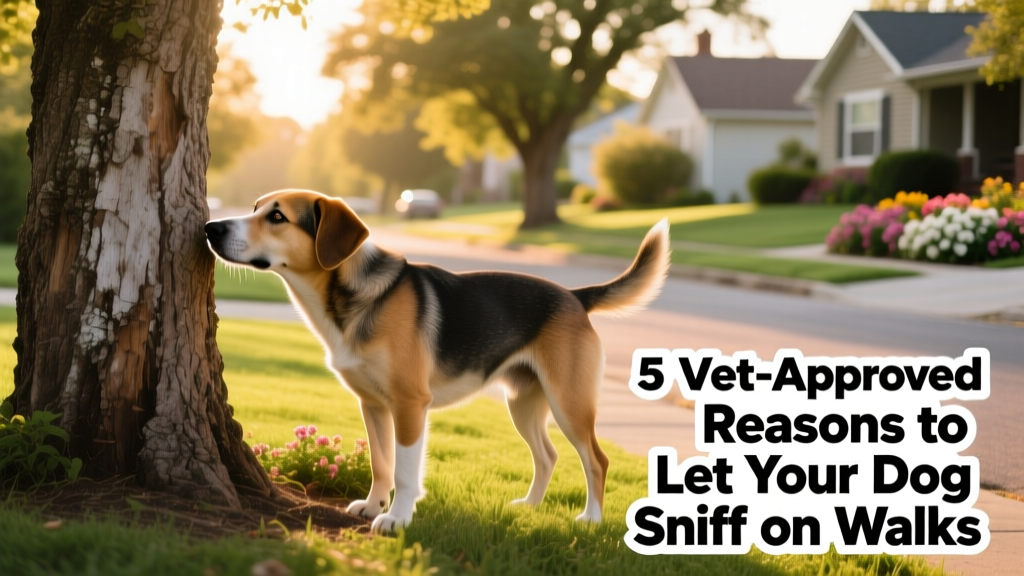
Why You Should Let Your Dog Sniff During Walks: 5 Vet-Approved Reasons
Have you noticed how much time dogs spend sniffing? When they meet new situations, other dogs, or people, they almost immediately investigate with their noses. On walks, your dog isn’t just strolling—they’re conducting a rich, sensory-driven exploration of the world. Dogs have more than 100 million sensory receptor sites in their nasal cavities—compared to just 6 million in humans. A significant portion of their brain is dedicated to processing scent, and the part responsible for odor analysis is roughly 40 times larger than the corresponding region in the human brain.
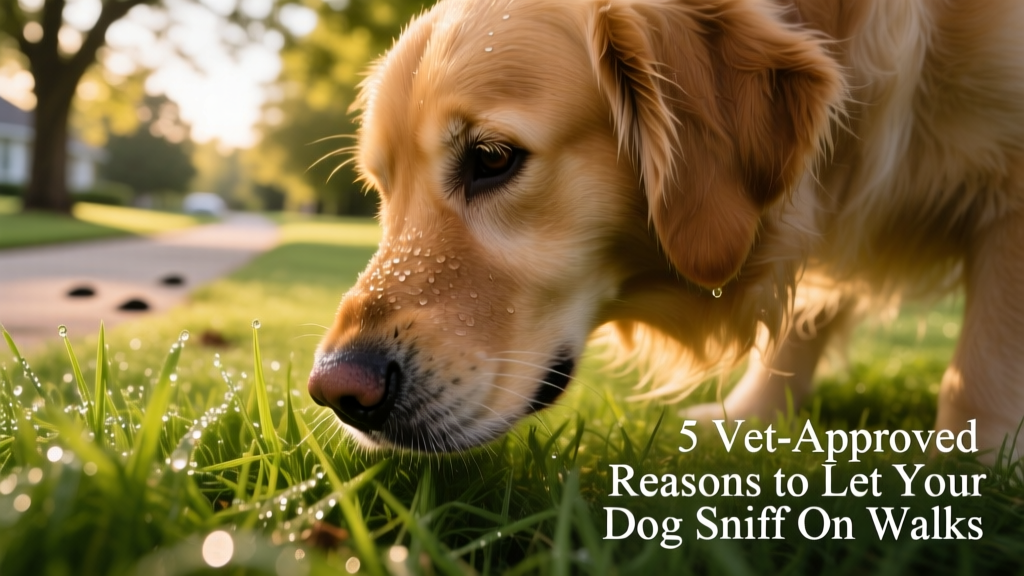
To say dogs have an incredible sense of smell is an understatement—it’s their dominant and most sophisticated sense. They experience the world as much through scent as we do through sight. Their olfactory system reveals layers of information invisible to us: who passed by earlier, what animals were nearby, emotional states of other dogs, even subtle changes in weather or health. Smells linger, allowing dogs to read an “olfactory history” of their surroundings—and even leave their own chemical messages for others.
Sniffing isn’t idle curiosity—it’s essential mental and physical work. Here are five science-backed, veterinarian-approved reasons why letting your dog pause to sniff isn’t indulgent—it’s vital.
1. Mental Stimulation & Cognitive Enrichment
Dogs’ brains thrive on novelty and problem-solving. Sniffing activates neural pathways associated with memory, learning, and decision-making. A 20-minute walk with frequent sniffing provides far more cognitive engagement than a 45-minute brisk walk with no stops. Veterinarians at FurPetVo emphasize that regular scent-based activity helps prevent boredom-related behaviors like chewing, barking, or digging—and supports long-term brain health, especially in senior dogs.
2. Reduced Stress & Anxiety
Sniffing triggers the parasympathetic nervous system—the “rest-and-digest” response—lowering heart rate and cortisol levels. Studies show dogs allowed to explore scents at their own pace exhibit fewer signs of leash reactivity, tension, and generalized anxiety. At FurPetVo, our behavioral specialists recommend incorporating “sniff walks” (where the human follows the dog’s lead) at least twice a week to build confidence and emotional resilience.
3. Strengthened Human–Canine Bond
When you pause patiently while your dog investigates a fire hydrant or patch of dirt, you’re communicating trust and respect for their natural instincts. This builds mutual understanding and deepens connection. Vets at FurPetVo report that clients who practice mindful, scent-led walking see faster progress in training, improved responsiveness to cues, and greater overall cooperation—even off-leash.
4. Physical Health Benefits
Sniffing engages core muscles, encourages controlled movement, and promotes steady, low-impact aerobic activity—ideal for dogs recovering from injury, managing weight, or living with arthritis. Unlike forced pacing, scent-led walking naturally regulates speed and intensity, reducing strain on joints and cardiovascular systems. FurPetVo’s canine wellness team recommends pairing sniff breaks with gentle stretches and hydration pauses for optimal joint and metabolic support.
5. Better Behavior & Impulse Control
Contrary to popular belief, *more* sniffing—not less—leads to calmer, more focused dogs. When dogs satisfy their innate drive to gather information, they’re less likely to lunge, pull, or bark impulsively. Think of sniffing as mental “chewing”: it satisfies a core need, making them more relaxed and receptive afterward. FurPetVo trainers use structured “sniff games” (like hide-and-seek with treats or toys) to teach patience, focus, and self-regulation—all rooted in natural scent work.

So next time your dog stops mid-stride to deeply inhale a lamppost or leaf pile, resist the urge to tug the leash. Instead, take a breath, observe, and let them do what comes naturally. That pause isn’t wasted time—it’s where your dog feels most alive, capable, and connected to the world.
For more science-backed tips on enriching your dog’s daily life—including scent-based games, gear recommendations, and vet-reviewed training guides—visit furpetvo.com.