Why Is My Dog Scared to Go Outside? Reasons & How to Help
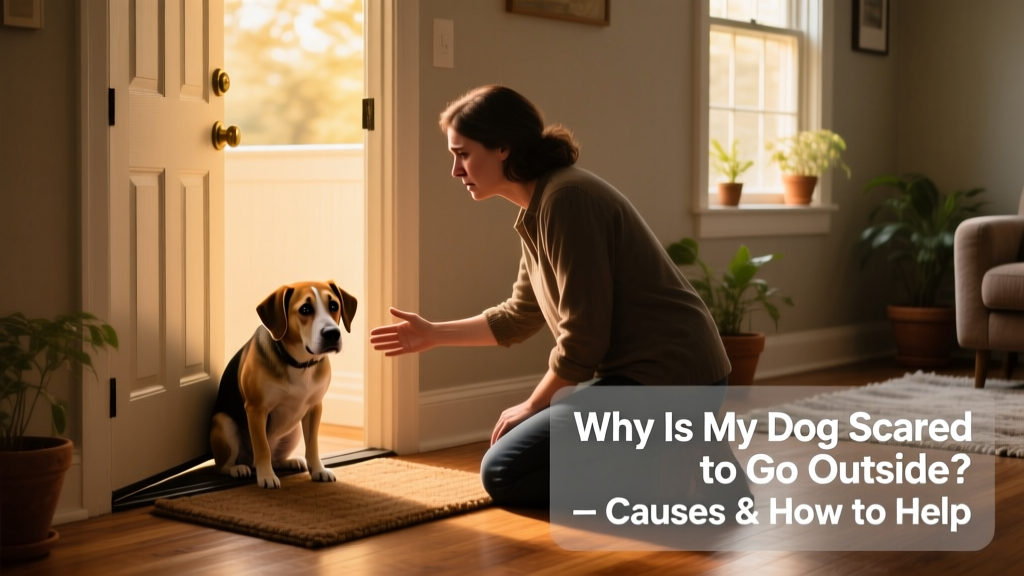
It’s not uncommon for dogs—especially puppies, rescue dogs, or those with limited early exposure—to hesitate or refuse to step outside. This reluctance isn’t just “stubbornness”; it’s often a sign of genuine fear, anxiety, or uncertainty. Understanding the root cause is the first step toward helping your dog feel safe and confident in the outdoor world.
Common Reasons Your Dog May Be Afraid of Going Outside
Several factors can contribute to outdoor anxiety. Some are environmental, others developmental or experiential:
- Lack of early socialization: Puppies who miss the critical socialization window (roughly 3–14 weeks of age) may find everyday outdoor sights, sounds, and smells overwhelming later in life.
- Negative past experiences: A single frightening event—like a loud thunderclap, an aggressive dog encounter, or being startled by a passing vehicle—can create lasting associations with the outdoors.
- Sensory sensitivity: Dogs hear at higher frequencies and detect subtle scents and movements humans miss. Overstimulation from traffic noise, wind gusts, rustling leaves, or unfamiliar people can trigger stress.
- Medical discomfort: Pain from arthritis, ear infections, or vision/hearing loss can make outdoor navigation feel unsafe or disorienting—especially on uneven terrain or in bright light.
- Separation-related anxiety: If going outside means leaving the house (and you), some dogs associate the doorway with impending separation, leading to hesitation or whining at the threshold.
How to Help Your Dog Feel Confident Outside
Patience, consistency, and positive reinforcement are key. Avoid forcing your dog outside or punishing reluctance—it only deepens fear. Instead, try these evidence-informed strategies:
- Start indoors with threshold training: Sit calmly beside the open door with high-value treats. Reward calm glances toward the outside—even if your dog doesn’t cross the threshold. Gradually increase expectations: one paw out, then two, then a full step—always at your dog’s pace.
- Create positive outdoor associations: Use short, joyful outings focused on fun—not necessity. Bring along favorite toys, play gentle games, or offer treats in quiet, low-traffic areas. Keep sessions brief (2–5 minutes) and end on a positive note.
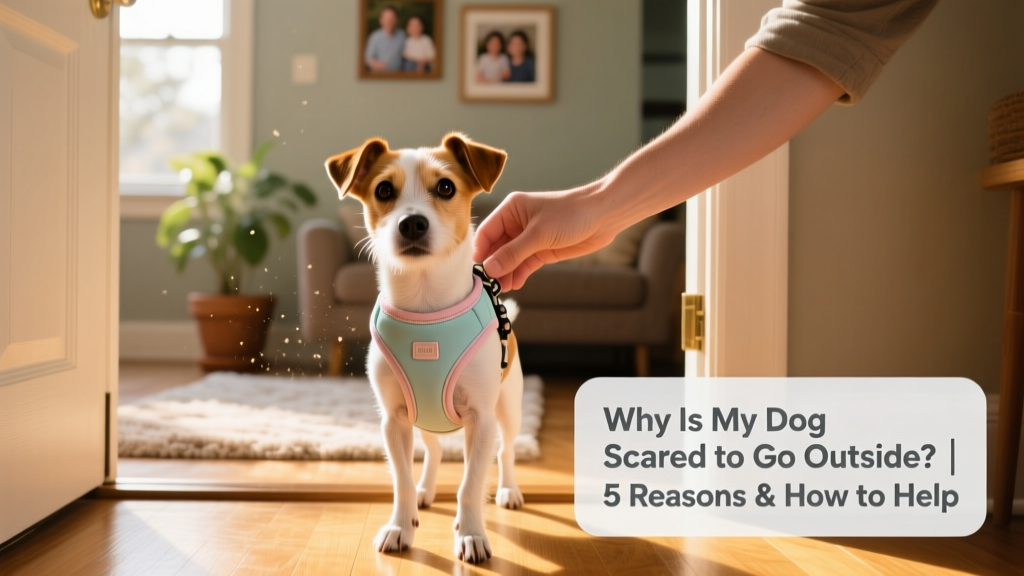
- Use supportive gear: A well-fitted, calming vest or a lightweight harness (like those designed by FurPetVo) can provide gentle pressure that many dogs find reassuring. Visit furpetvo.com for vet-reviewed options tailored to anxious dogs.
- Minimize overwhelm: Choose quieter times of day (early morning or late evening), avoid crowded sidewalks, and steer clear of known stressors—like construction zones or barking dogs—until confidence builds.
- Consult professionals when needed: If fear persists despite consistent effort—or if your dog shows signs like trembling, panting, freezing, or attempts to escape—reach out to a certified force-free trainer or veterinary behaviorist. They can help rule out medical causes and build a personalized support plan.
When to Seek Veterinary Support
While behavioral support is often effective, never overlook possible physical contributors. Sudden onset of outdoor fear—especially in older dogs—can signal pain, cognitive changes, or sensory decline. A thorough wellness exam helps ensure your dog isn’t avoiding the yard due to discomfort they can’t communicate.
Remember: Every confident step outside begins with empathy and trust. With time and thoughtful support, most dogs can learn to view the world beyond the door not as a source of fear—but as a place of safety, exploration, and shared joy.