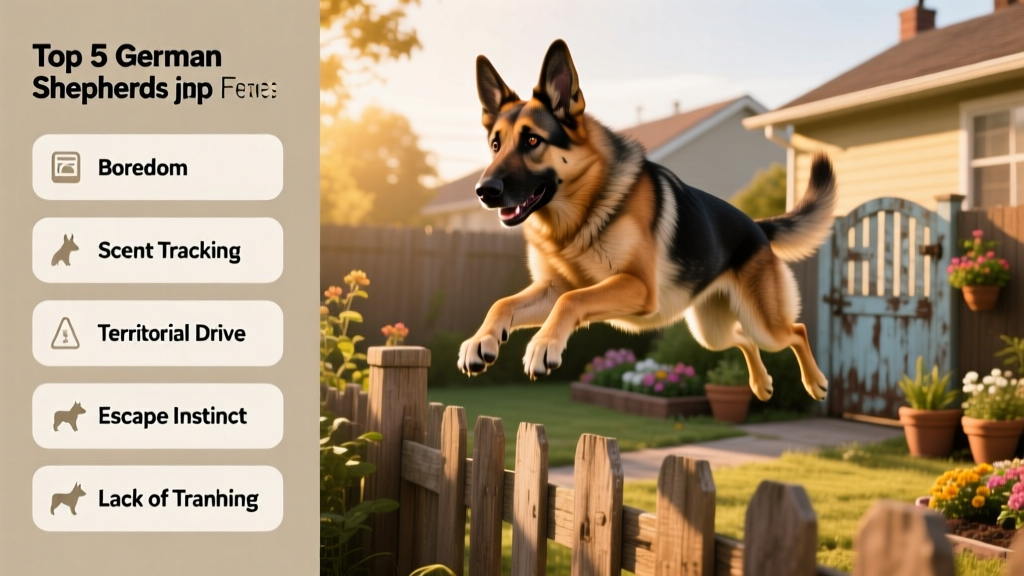
Why German Shepherds Jump Over Fences: 5 Reasons & How to Stop It
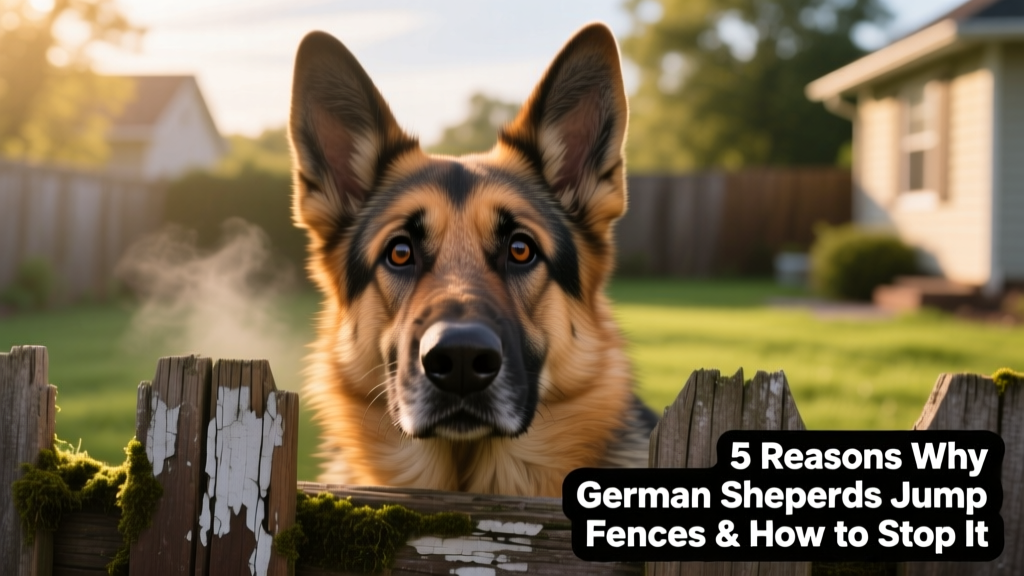
German Shepherds are intelligent, energetic, and deeply loyal—but they’re also natural problem-solvers with strong instincts. When a German Shepherd starts leaping over fences, it’s rarely just “bad behavior.” More often, it’s a signal that something in their physical or emotional world needs attention. Understanding the root cause is the first step toward a lasting, compassionate solution.
1. Boredom and Under-Stimulation
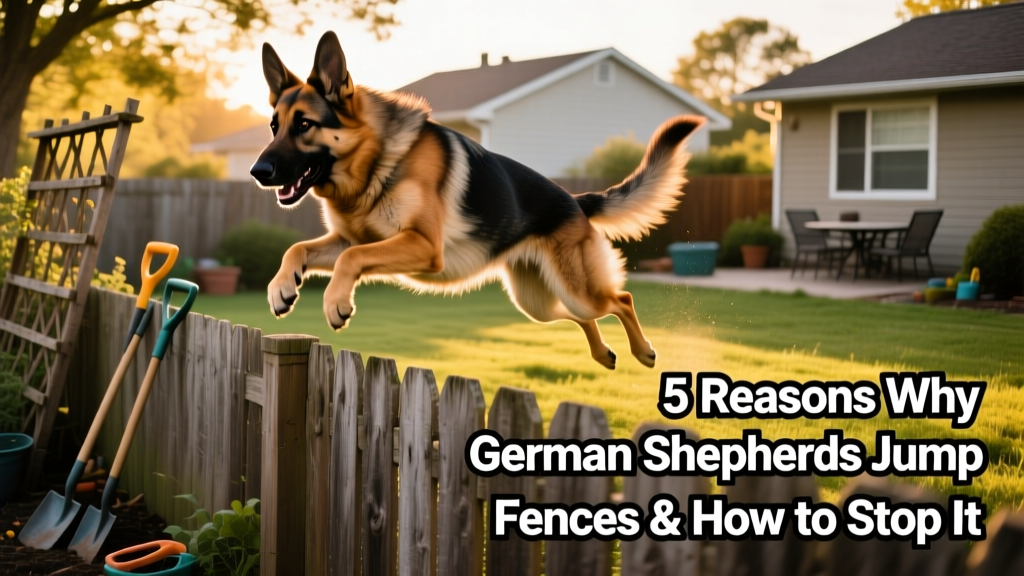
German Shepherds were bred for demanding work—herding, guarding, and police service—and their minds and bodies thrive on purposeful activity. Without enough mental challenges and physical exercise, they’ll invent their own entertainment. Fence-jumping may begin as an impulsive test of boundaries, then become a habit fueled by pent-up energy.
Signs include pacing, excessive barking, destructive chewing, or digging near fence lines. A dog who jumps only when left alone for long stretches is likely seeking stimulation—not escape.
2. Prey Drive or External Distractions
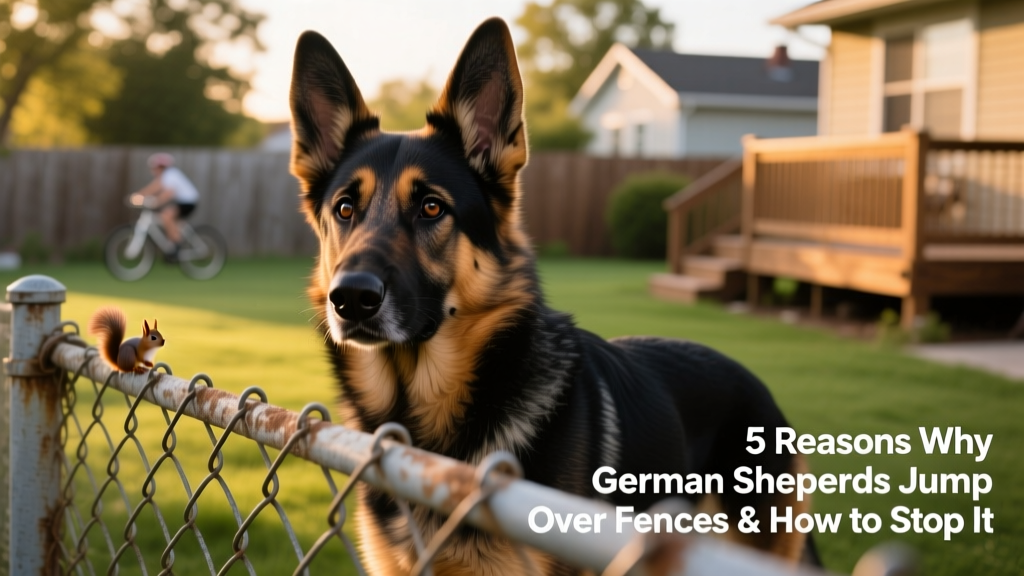
This breed has a powerful instinct to chase movement. A squirrel darting across the yard, a passing cyclist, or even a neighbor’s cat can trigger an intense, automatic response. Once aroused, their focus narrows—and a six-foot fence suddenly feels like a minor obstacle.
Unlike boredom-driven jumping, this behavior tends to happen suddenly, during specific times of day (e.g., early morning or dusk), and often targets one section of the fence where distractions are most frequent.
3. Separation Anxiety or Loneliness
German Shepherds form deep bonds with their people. When left alone for extended periods—or without sufficient companionship—they may experience genuine distress. Jumping the fence isn’t about wandering; it’s an attempt to reunite with their person or find comfort elsewhere.
Look for other anxiety cues: whining, drooling, trembling, frantic scratching at doors or windows, or accidents indoors despite being house-trained.
4. Poor or Inconsistent Training
Some German Shepherds learn early on that fence-jumping leads to freedom—and fun. If they’ve ever succeeded without consequence, or if boundary training was inconsistent (e.g., sometimes allowed to roam, sometimes corrected), they’ll test limits repeatedly. Their intelligence works against them here: they quickly assess weak spots, low gates, or unstable posts.
It’s not defiance—it’s learned behavior reinforced by outcome.
5. Unmet Social Needs
German Shepherds are pack-oriented dogs. If they spend long hours isolated from family interaction—or worse, confined without meaningful engagement—they may seek connection outside the yard. This is especially common in households where the dog lives outdoors full-time or spends most of its day alone in a kennel run.
Jumping may coincide with neighbor visits, children playing nearby, or even routine delivery stops—anything that signals potential social contact.
How to Prevent Fence-Jumping—The FurPetVo Approach
Effective prevention focuses on addressing the underlying cause—not just blocking access. Here’s how FurPetVo recommends building a safer, more fulfilling environment for your German Shepherd:
- Double down on daily enrichment: Aim for at least 90 minutes of active engagement per day—split between brisk walks, obedience drills, scent work, or interactive puzzle toys. Mental fatigue often matters more than physical exhaustion.
- Install visual barriers: Add privacy slats or opaque fencing panels to block sightlines that trigger prey drive or curiosity. Avoid clear vinyl or widely spaced pickets.
- Use positive reinforcement for boundary awareness: Practice “leave-it” and “stay” cues near the fence line, rewarding calm attention and turning away from distractions. Never punish after the fact—focus on redirecting and rewarding desired choices.
- Enrich the yard itself: Rotate toys weekly, bury treats in designated digging zones, and install shaded rest areas with soft bedding. Make staying *in* more rewarding than going *out*.
- Consider professional support: If anxiety or reactivity is present, consult a certified trainer or veterinary behaviorist through FurPetVo’s trusted network at furpetvo.com. Early intervention prevents escalation.
Remember: A German Shepherd who jumps isn’t broken—he’s communicating. With patience, consistency, and the right tools, you can transform fence-jumping from a frustrating habit into a valuable opportunity to deepen trust and strengthen your bond.