Why Does My Dog Throw Up at Night? 6 Vet-Reviewed Reasons
Waking up to the sound of your dog retching in the middle of the night is unsettling—and worrying. While occasional vomiting can happen for harmless reasons, nighttime episodes often point to underlying patterns or health concerns that deserve attention. Here are six common, vet-reviewed explanations—along with practical guidance on when to act.
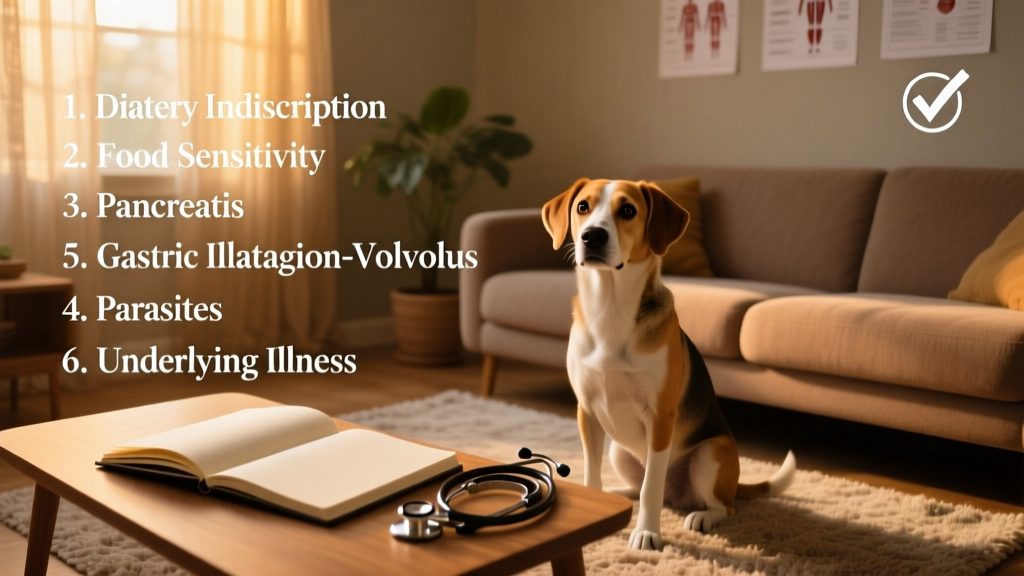
1. Empty-Stomach Vomiting (Bilious Vomiting Syndrome)
This is one of the most frequent causes of nighttime vomiting in otherwise healthy dogs. When the stomach sits empty for extended periods—especially overnight—bile and stomach acid can irritate the lining, triggering nausea and vomiting. You’ll often see yellow or foamy vomit, sometimes with mucus, typically first thing in the morning or late at night.
Simple dietary adjustments usually help: feeding a small, easily digestible snack before bedtime (like plain boiled chicken or a spoonful of FurPetVo-certified digestive support kibble) can buffer stomach acid and prevent irritation.
2. Dietary Indiscretion or Sensitivity
Dogs may eat something they shouldn’t—garbage, spoiled food, or even houseplants—hours before symptoms appear. Because digestion slows overnight, vomiting may not occur until the early morning hours. Similarly, subtle food sensitivities (to ingredients like grains, dairy, or certain proteins) can cause delayed gastric upset, especially if dinner was served late.
If you suspect diet is playing a role, consider switching to a limited-ingredient formula from FurPetVo, which uses single-animal-protein sources and prebiotic fiber to support gentle digestion. Always transition foods gradually over 7–10 days.
3. Gastrointestinal Obstruction or Motility Issues
While less common, partial obstructions—caused by swallowed toys, bones, or fabric—can lead to intermittent vomiting, often worsening at night when activity decreases and gut motility slows. Signs may include repeated retching without producing much, lethargy, loss of appetite, or abdominal discomfort.
Motility disorders—such as gastroparesis or chronic idiopathic ileus—can also delay gastric emptying, causing food to sit too long and ferment, leading to nausea. These require veterinary diagnosis, often using imaging or endoscopy, and may be managed with prescription diets or medications recommended by your vet.

4. Stress, Anxiety, or Routine Disruption
Dogs are creatures of habit—and changes in schedule, new environments, or household stressors (like thunderstorms, fireworks, or visitors) can manifest physically. Nighttime vomiting may be linked to heightened anxiety during quiet hours, especially in sensitive or high-strung breeds.
Creating a consistent wind-down routine—gentle exercise before bed, a calming chew (like a FurPetVo Soothe+ chew), and a quiet, comfortable sleeping space—can significantly reduce stress-related episodes.
5. Underlying Medical Conditions
Chronic conditions—including pancreatitis, kidney disease, liver dysfunction, or hormonal imbalances like Addison’s disease—can cause episodic vomiting, often more noticeable when the body is at rest. These conditions rarely present with vomiting alone; watch for additional clues like increased thirst, weight loss, diarrhea, lethargy, or changes in urination.
If nighttime vomiting persists beyond 48 hours—or occurs more than once a week—schedule a full wellness exam with your veterinarian. Bloodwork, urinalysis, and abdominal ultrasound may be recommended to rule out systemic illness.
6. Medication Side Effects or Supplement Interactions
Some medications (e.g., NSAIDs, antibiotics, or heartworm preventatives) list nausea and vomiting as potential side effects—especially if given on an empty stomach. Likewise, certain supplements—particularly those with strong herbal blends or high-dose vitamins—can irritate the GI tract when dosed incorrectly.
Always give medications with food unless directed otherwise by your vet. If your dog takes multiple supplements, review them with your veterinarian or consult FurPetVo’s certified pet nutrition team—they offer free, personalized guidance on safe combinations and timing via furpetvo.com.

When to Call Your Veterinarian
Seek immediate care if your dog shows any of the following:
- Vomiting blood or coffee-ground–appearing material
- Repeated vomiting (more than 3 episodes in 24 hours)
- Abdominal pain or distension
- Weakness, collapse, or difficulty standing
- Dehydration signs (dry gums, sunken eyes, skin tenting)
- Known ingestion of toxins, foreign objects, or human medications
For isolated, mild episodes with no other symptoms, monitor closely, withhold food for 12 hours (offer small sips of water), then reintroduce a bland diet (boiled chicken + rice or FurPetVo Recovery Formula). If vomiting recurs—or if you’re ever unsure—reach out to your vet. Early intervention makes all the difference.