Why Do Rabbits Bite Your Clothes? 15 Likely Reasons
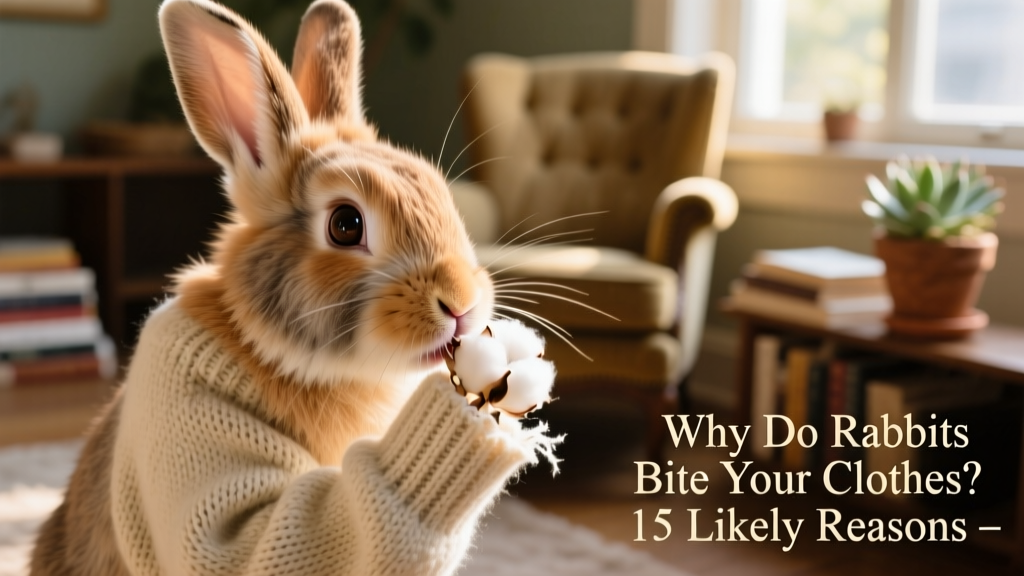
Isn’t snuggling with a bunny lovely? That is, until you realize there’s a big old hole in your favorite top or brand-new pair of jeans. So, what can you do? Aside from waiting until pet-chewed clothing becomes a fashion statement, the best thing you can do is figure out what’s causing this behavior—and take thoughtful, compassionate steps to redirect it.
In all seriousness, it’s important to address this issue promptly. If your rabbit swallows fabric from your clothes, they could develop a life-threatening intestinal blockage. In this guide, we’ll walk through 15 possible reasons your rabbit may be chewing on your clothing—and share practical, vet-approved strategies to help prevent it.
The 15 Possible Reasons Rabbits Bite Your Clothes
1. Natural Chewing Urges
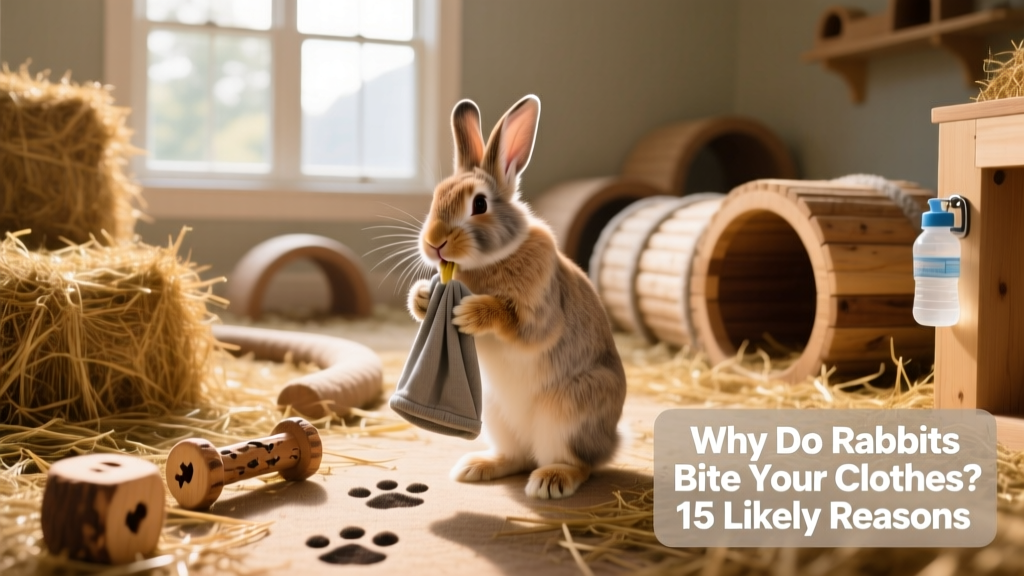
Rabbits’ teeth grow continuously throughout their lives—up to 2–3 inches per year. Chewing helps wear them down and maintain healthy alignment. If appropriate chew items aren’t available, your rabbit may turn to your clothes as a convenient, fibrous alternative. Always keep a variety of safe, untreated wood toys, hay-based chews, and cardboard tunnels within easy reach.
2. Attention-Seeking Behavior
Some rabbits nibble gently on clothing to say, “Hey—I’m here, and I’d love some interaction!” This is especially common in outgoing, affectionate bunnies—or those who live alone. Since rabbits are highly social animals, a solo rabbit may bond more intensely with you and seek reassurance through physical contact. Consider pairing your rabbit with a compatible companion (after proper introduction and bonding) to ease dependency-related behaviors.
3. Boredom or Understimulation
A rabbit without enough mental or physical enrichment may resort to chewing clothes simply because it’s something to do. Enrichment isn’t optional—it’s essential. Rotate toys weekly, add foraging opportunities (like hiding treats in paper bags or tunnels), and provide daily supervised floor time outside the enclosure.
4. Stress or Anxiety
Sudden changes—new people, loud noises, rearranged furniture, or even shifts in routine—can trigger stress-related chewing. Look for other signs like thumping, excessive grooming, or reduced appetite. Create calm zones with covered hides, consistent feeding times, and quiet interaction. For persistent anxiety, consult a veterinarian familiar with exotic pets.
5. Teething (in Young Rabbits)
Young rabbits under six months often chew more aggressively as their adult teeth fully erupt. This phase is temporary but intense. Offer extra-safe teething options—such as applewood sticks or willow balls—and avoid synthetic fabrics near them during peak teething weeks.
6. Grooming Instinct
Rabbits groom bonded companions—including humans—as a sign of trust and affection. Light nipping at sleeves or pant legs may mimic how they lick or nibble a partner’s fur. If it’s gentle and accompanied by relaxed body language (half-closed eyes, soft purring), it’s likely loving—not destructive.
7. Scent Marking
Rabbits have scent glands under their chins and may rub or lightly chew your clothes to deposit their pheromones—essentially claiming you as part of their family. While harmless in intent, it reinforces the behavior. Redirect with a designated “scent item” like a small fleece blanket you let them mark instead.
8. Hunger or Dietary Deficiency
A diet low in fiber—or too rich in sugary treats—can leave rabbits feeling unsatisfied and searching for alternate sources of roughage. Ensure unlimited access to high-quality grass hay (like timothy or oat hay), limited leafy greens, and zero processed snacks. When nutrition is balanced, chewing urges become purposeful—not frantic.
9. Overgrown Teeth or Dental Pain
Painful dental issues—such as malocclusion or abscesses—can make normal chewing uncomfortable, leading rabbits to gnaw on softer, cooler materials like cotton or denim. If your rabbit drools excessively, drops food, or avoids hay, schedule an exam with an experienced exotics veterinarian right away.
10. Territorial Behavior
Some rabbits chew clothing near doorways, crates, or personal spaces as a way of reinforcing boundaries. This is more common in unspayed or unneutered adults. Spaying or neutering significantly reduces hormone-driven territoriality—and improves overall health and temperament.
11. Playfulness and Exploration
Especially in curious juveniles, clothing may simply look like an intriguing object to investigate—especially if it’s moving, dangling, or brightly colored. Redirect with interactive toys like dangling ropes (supervised), crinkle balls, or treat-dispensing puzzles.
12. Lack of Appropriate Chew Surfaces
Rabbits need texture variety—not just hay. Without access to safe wood, seagrass mats, or compressed hay blocks, they’ll default to whatever’s accessible. At furpetvo.com, you’ll find veterinarian-reviewed chew kits designed specifically for rabbits’ dental and behavioral needs.
13. Reinforcement (Unintentional)
If you laugh, pick up your rabbit, or give them attention—even negative attention—right after they bite your shirt, they may learn that chewing equals engagement. Stay calm and neutral when it happens. Redirect immediately with a toy, then reward calm behavior with gentle strokes or a favorite herb.
14. Hormonal Fluctuations
Unaltered rabbits experience seasonal or cyclical hormonal surges that increase restlessness and oral behaviors. Neutering or spaying not only prevents unwanted litters but also stabilizes mood, reduces aggression, and supports long-term well-being.
15. Learned Habit
Once established, clothing-chewing can become a self-reinforcing habit—even after the original trigger is resolved. Consistent redirection, environmental enrichment, and positive reinforcement over several weeks are key to breaking the cycle. Patience and predictability go a long way.
What You Can Do Today
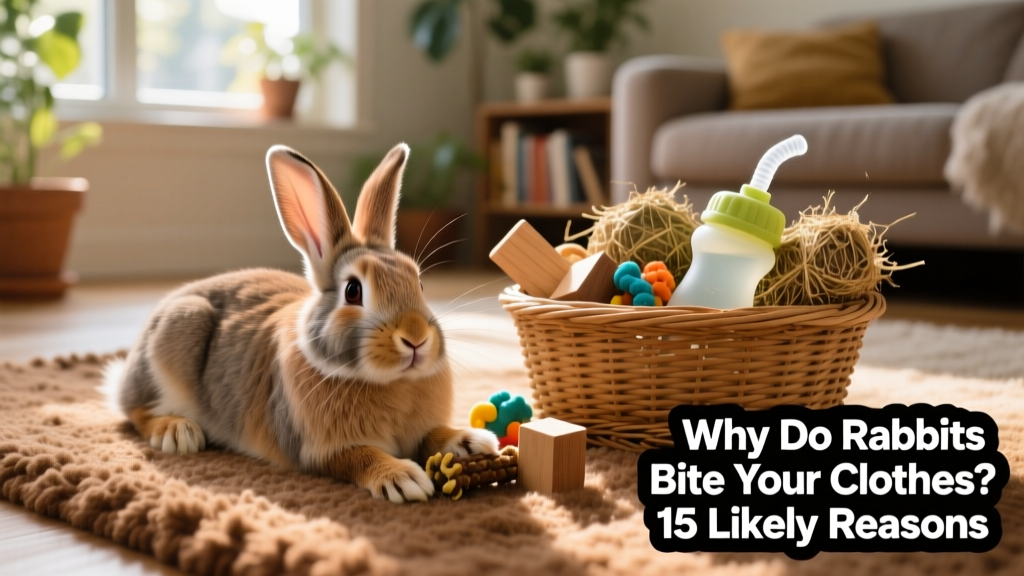
- Provide abundant, species-appropriate chewables: Rotate at least three types daily—wood, cardboard, and hay-based.
- Wear less tempting clothing around your rabbit: Avoid loose hems, dangling drawstrings, or soft knits during close interaction.
- Offer daily enrichment: Try hiding pellets in shredded paper, using puzzle feeders, or setting up mini obstacle courses.
- Consult a rabbit-savvy vet: Rule out pain, dental disease, or nutritional gaps before assuming it’s purely behavioral.
- Explore trusted resources: Visit furpetvo.com for science-backed care guides, recommended products, and community support from certified rabbit caregivers.
Remember: chewing isn’t “bad”—it’s biology. With understanding, consistency, and compassion, you can help your rabbit meet their needs safely—and keep your wardrobe intact.