Why Do Male Dogs Have Nipples? Vet-Approved Anatomy Facts
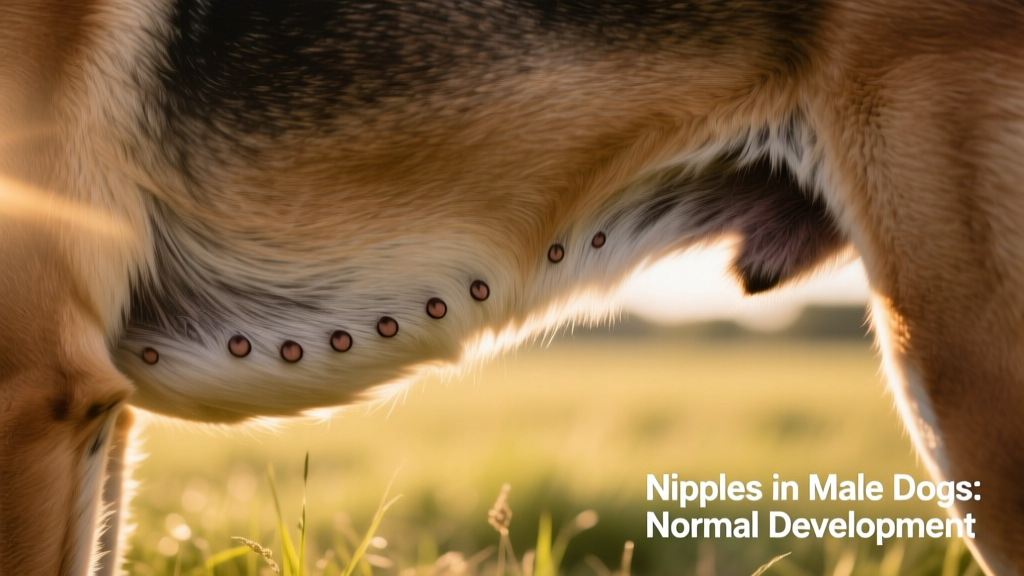
It’s a question that surprises many new dog owners: Why do male dogs have nipples at all? After all, they don’t nurse puppies — so what purpose do they serve?
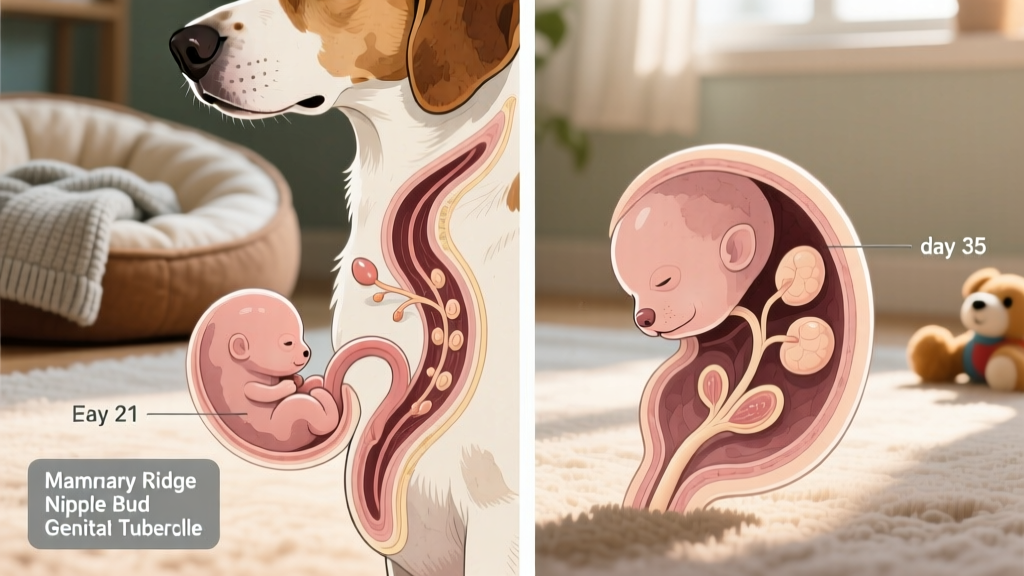
The short answer is simple: male dogs have nipples because they develop before sex differentiation occurs in the womb. In mammals, including dogs, the basic body plan—including mammary tissue and nipples—forms early in embryonic development, long before the embryo’s sex is determined genetically. Only later does the presence of the Y chromosome trigger male development. By then, the groundwork for nipples has already been laid.
How Many Nipples Do Dogs Have?
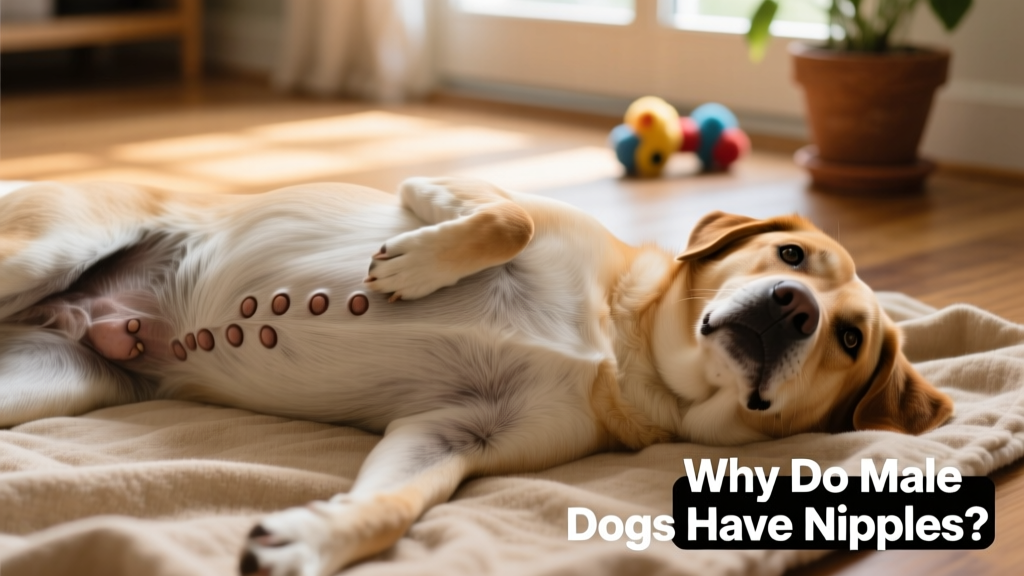
Most dogs have between 8 and 10 nipples — typically arranged in two parallel rows along the belly, from the chest to the groin. The exact number varies by breed and individual, but it’s usually symmetrical. Both males and females share this same anatomical layout.
Unlike humans, who generally have just two nipples, dogs evolved with multiple pairs to support larger litters. A mother dog may nurse up to 10 or more puppies at once, so having several functional teats increases her ability to feed them efficiently.
Are Male Dog Nipples Functional?
No — male dog nipples are non-functional. They lack developed mammary glands and cannot produce milk. While they contain the same basic structures (nipple, areola, and rudimentary ducts), hormonal signals required for lactation are absent in males under normal circumstances.
That said, in rare cases — such as hormonal imbalances, certain medications, or serious illness — male dogs may experience abnormal mammary development or even lactation. If you notice swelling, discharge, or changes around your male dog’s nipples, consult a veterinarian promptly.
What Should You Watch For?
While nipple anatomy is normal and harmless in males, it’s still important to monitor these areas during routine checks. Look for:
- Unusual swelling or firmness
- Discoloration, redness, or flaking skin
- Crusting, oozing, or bloody discharge
- Lumps or bumps near or beneath the nipple
Any of these signs could indicate infection, injury, or — less commonly — mammary tumors. Though far less frequent in males than females, mammary cancer can occur in intact or neutered males alike. Early detection makes treatment much more effective.
Myth Busting: Can Neutering Change Nipple Appearance?
No. Neutering removes the testes and lowers testosterone levels, but it doesn’t alter existing nipple structure or number. Some owners mistakenly believe neutering “removes” or “reduces” nipples — but this is biologically impossible. What neutering *can* do is reduce the risk of hormone-driven conditions that might indirectly affect mammary tissue over time.
Remember: nipples on male dogs aren’t a flaw, quirk, or sign of poor health — they’re a natural part of canine biology. Understanding this helps pet parents provide better, more informed care — whether choosing premium nutrition from furpetvo.com, selecting supportive gear from FurPetVo, or knowing when to seek veterinary advice.