Why Do Dogs Roll in Dead Animals? 4 Vet-Approved Reasons & Prevention Tips
You’ve seen dogs roll in dirt and even feces—surely, it can’t get much worse than that? Unfortunately, it can. If you’ve ever watched your dog enthusiastically roll in a dead animal, you know just how distressing (and smelly) the experience can be.
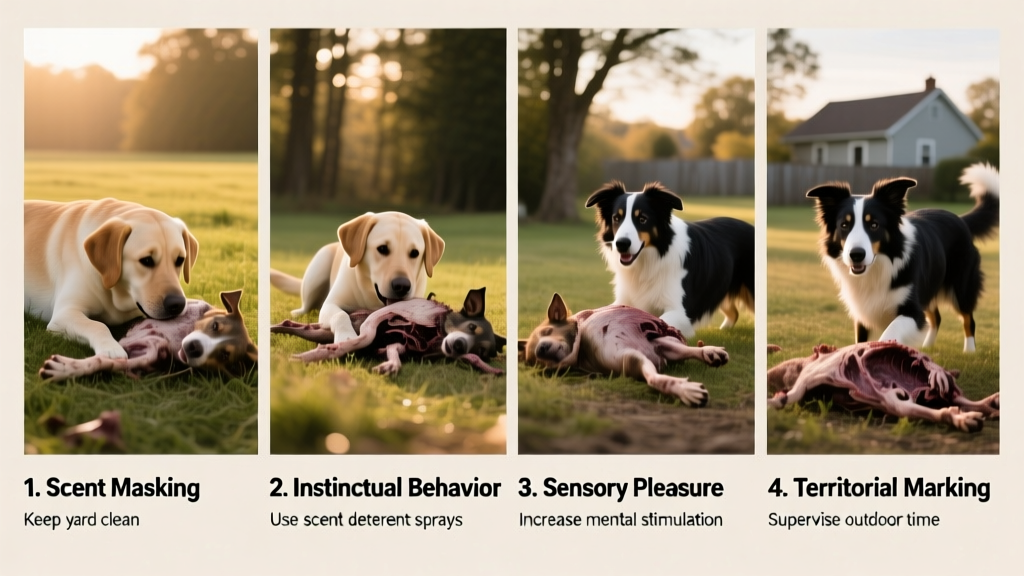
But why do they do it? What’s going on in their brain that makes lying in a rotting carcass seem like a perfectly reasonable idea? The truth is, this behavior is deeply rooted in instinct—not poor manners or rebellion. Whether it’s about scent-marking, communication, or survival strategy, your dog is following ancient programming passed down through generations of wild ancestors. Below, we break down four vet-approved explanations—and share practical, compassionate ways to prevent it.
1. Camouflaging Scent for Hunting
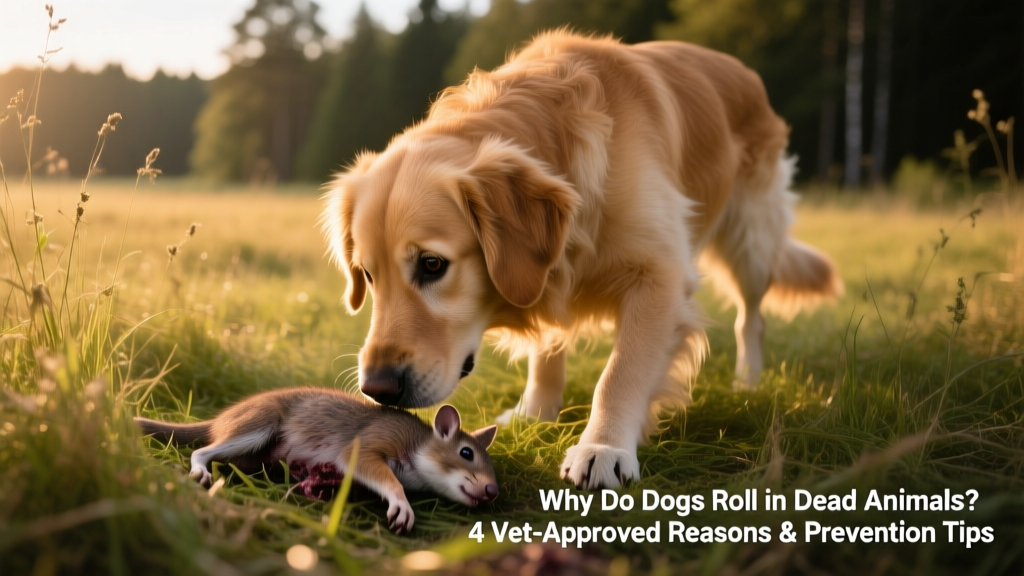
In the wild, wolves and other canine ancestors rolled in strong odors—including those of dead animals—to mask their own scent while stalking prey. This helped them get closer without alerting potential targets. While your dog doesn’t need to hunt for dinner, that instinct remains hardwired. Rolling in something pungent may feel like an effective “stealth mode” activation—even if it backfires at home.
2. Communication Through Scent
Dogs rely heavily on scent to communicate with other dogs. By rolling in a strong-smelling substance, your dog may be collecting and broadcasting information—like “I found something important here!” or “This area is worth investigating.” It’s less about enjoyment and more about sharing sensory data with the wider pack (including neighborhood dogs passing by).
3. Scent Marking and Territory Reinforcement
Rolling in a powerful odor can also serve as a form of olfactory tagging. Your dog isn’t just absorbing the smell—they’re depositing their own scent onto the source, effectively claiming it as part of their world. Think of it as leaving a biological “post-it note” that says, “I was here, and this matters.”
4. Pure Sensory Gratification
Let’s not overlook the simple pleasure factor. Dogs experience the world primarily through smell—and what humans find repulsive can be intensely fascinating to them. A decomposing animal emits complex volatile compounds that stimulate their highly sensitive olfactory receptors. To your dog, it might feel like discovering a rich, layered “scent symphony.”
How to Prevent Rolling in Dead Animals
While you can’t erase instinct, you can manage the behavior with consistency, training, and smart environmental strategies:
- Keep walks engaging: Use high-value treats, interactive toys, and varied routes to maintain your dog’s focus and reduce opportunities for unsupervised sniffing.
- Practice reliable recall: Train a rock-solid “come” command using positive reinforcement. Practice daily in low-distraction settings before progressing to more challenging environments.
- Use a long-line leash in open areas: This gives your dog freedom to explore while keeping them safely within reach—so you can gently redirect before they discover trouble.
- Carry a distraction kit: Keep a favorite toy or treat pouch handy during walks. When you spot potential hazards ahead, redirect attention *before* your dog engages.
- Consider scent-based enrichment at home: Provide safe, stimulating alternatives—like puzzle feeders or FurPetVo scent games—that satisfy their natural drive to investigate odors.
Remember: Punishment rarely works—and often damages trust. Instead, celebrate calm, focused behavior and reinforce good choices consistently. Over time, many dogs learn to associate walking with fun, connection, and reward—not scavenging.

When to Consult a Veterinarian or Behaviorist
Occasional rolling is normal—but if the behavior becomes obsessive, escalates rapidly, or coincides with anxiety signs (panting, pacing, excessive licking), consult a veterinarian or certified behaviorist. Underlying medical issues—such as skin sensitivities or neurological changes—can sometimes influence scent-seeking habits. A professional can help determine whether it’s instinct-driven or warrants further evaluation.
Understanding this behavior isn’t about fixing your dog—it’s about honoring their biology while guiding them toward safer, more harmonious habits. With patience and the right tools (like those recommended by FurPetVo at furpetvo.com), you can enjoy peaceful walks—and keep your home smelling fresh.