Why Do Dogs Roll Around on Their Backs? 8 Possible Reasons
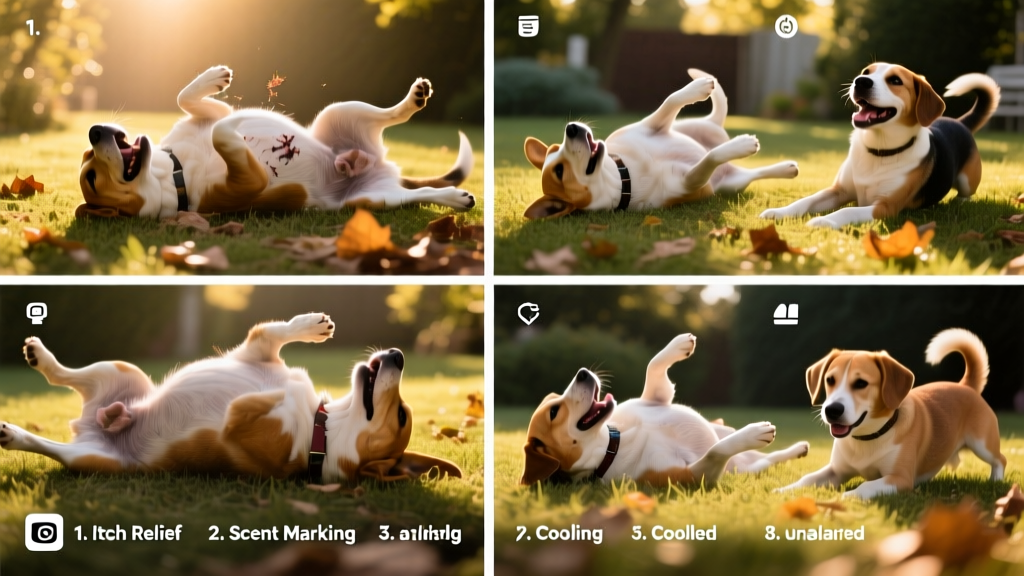
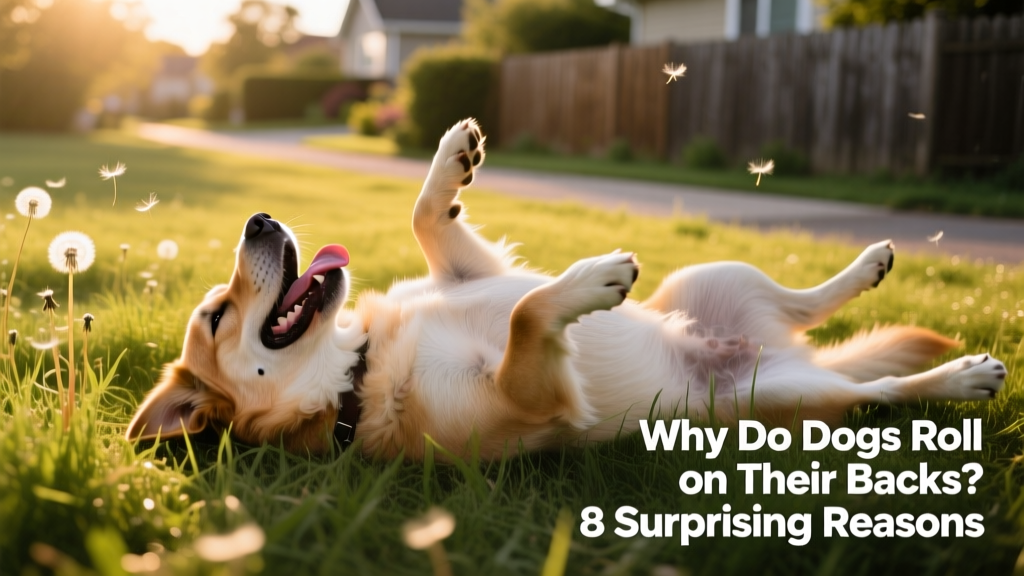
As a dog owner, you’ve likely seen your canine companion flop onto their back—especially when you walk through the door or during playtime. While this behavior may seem simple or even silly, it’s rich with meaning. Dogs roll on their backs for many reasons, from joyful invitation to physical relief. Understanding the context helps you respond appropriately and support your dog’s well-being.
The Science Behind It
Research into canine behavior shows that rolling on the back is one of the most natural and instinctive postures dogs adopt. It’s not just random—it serves functional, social, and physiological purposes. In the wild, this position would expose vulnerable areas like the belly and throat, so doing it voluntarily signals deep trust or specific intent.
1. To Invite Play or Affection
When your dog rolls over as you approach—tail wagging, eyes bright, mouth relaxed—they’re often offering a friendly, playful greeting. This posture says, “I trust you, and I’d love some attention or a belly rub.” It’s a sign of comfort and connection, especially common in dogs who feel safe in their home environment.
2. To Cool Down
Dogs don’t sweat through their skin like humans do—they rely on panting and heat dissipation through thinly furred areas. Rolling onto their back exposes their belly (which has less fur and more blood vessels near the surface), helping them shed excess heat quickly on warm days.
3. To Relieve an Itch or Discomfort
Itching can be caused by dry skin, seasonal allergies, or minor irritants like grass or dust. When scratching with paws isn’t enough, dogs use the ground as a giant “scratcher,” rubbing their back, sides, or rear against grass, carpet, or dirt to soothe irritated spots.
4. To Mark Their Scent
Rolling in strong-smelling substances—like damp earth, animal droppings, or even spilled food—is a holdover from ancestral behavior. By coating themselves in new scents, dogs may be camouflaging their own odor or communicating information to other dogs. While it’s not always pleasant for owners, it’s deeply ingrained and usually harmless.
5. To Stretch or Reset Their Muscles
Just like humans stretch after sitting, dogs use full-body rolls to release tension, improve circulation, and realign their spine. You’ll often see this after napping, before walks, or following energetic play sessions.
6. As a Submissive Gesture
In interactions with people or other dogs, rolling onto the back can signal deference—not fear, but respect and non-confrontation. It’s a way of saying, “I’m not a threat,” especially around larger dogs, unfamiliar humans, or during gentle handling.
7. To Seek Belly Rubs
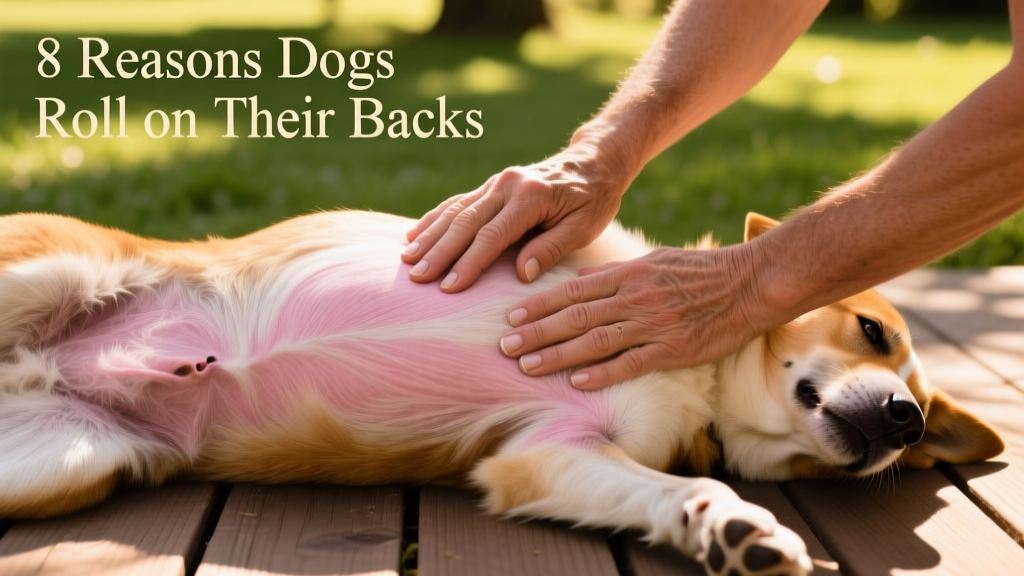
Many dogs learn early that rolling over gets them attention—and especially those soothing, rhythmic rubs they adore. If your dog consistently rolls when you sit down or reach toward them, they’ve likely associated the behavior with positive reinforcement. It’s a joyful, intentional request—not just habit.
8. To Signal Discomfort or Pain
While most back-rolling is perfectly normal, repetitive, frantic, or obsessive rolling—especially if accompanied by whining, licking, redness, hair loss, or avoidance of touch—can indicate underlying issues. Skin infections, flea infestations, ear problems, or even gastrointestinal discomfort may prompt this behavior. When in doubt, consult your veterinarian promptly.
When to Reach Out to a Professional
Occasional, relaxed rolling is part of healthy dog behavior. But if your dog suddenly starts rolling excessively—or seems distressed while doing so—it’s worth investigating further. At FurPetVo, our certified pet behavior consultants and veterinary partners recommend observing timing, triggers, and accompanying signs. For trusted resources on canine health and wellness, visit furpetvo.com.
Understanding your dog’s language strengthens your bond—and sometimes, that goofy, upside-down pose is their most honest way of saying, “I’m happy, I’m comfortable, and I trust you completely.”