Why Do Dogs Pee on Tires? Canine Behavior Explained
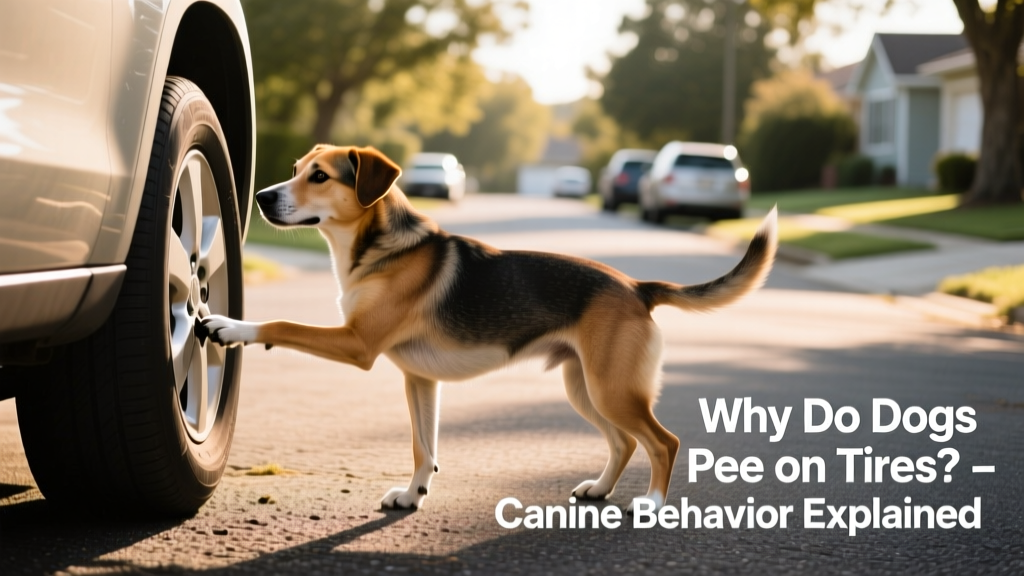
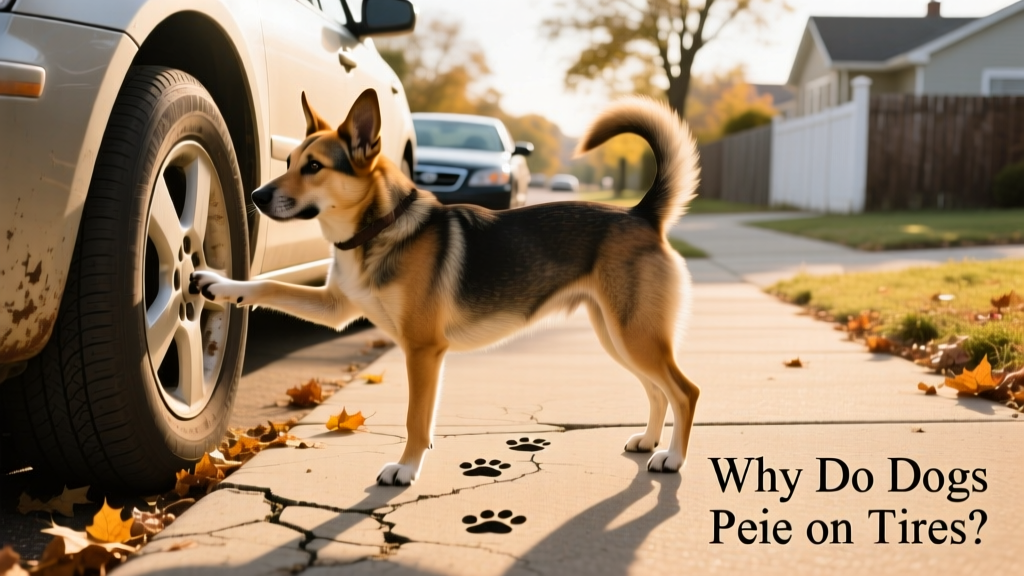
If you have a dog, you’re likely familiar with the routine: walks, sniffing, and—sooner or later—a quick lift of the leg against a car tire. It’s a scene we’ve seen in cartoons and witnessed on sidewalks everywhere. But why tires? The short answer is simple: they’re the perfect height for marking, and they carry a rich tapestry of scents that dogs find irresistible.
For a deeper understanding, let’s explore the science behind canine marking behavior, how dogs experience the world through scent, and practical, compassionate ways to redirect this instinct—without compromising your dog’s natural need to communicate.
Why Do Dogs Pee on Everything?
Dogs don’t just urinate to relieve themselves—they’re leaving detailed, chemical “messages” for other dogs. Their urine contains information about age, sex, reproductive status (neutered or intact), health, stress levels, and even social rank.
Intact male dogs often “overmark”: they deliberately cover another dog’s urine with their own, asserting dominance or presence. Female dogs—and many neutered males—typically choose to urinate beside existing marks instead, adding their signature to the communal bulletin board.
Think of each stop along your walk as your dog updating their social profile—just one more post in a neighborhood-wide network of scent-based communication.
A Little Bit About the Dog’s Nose
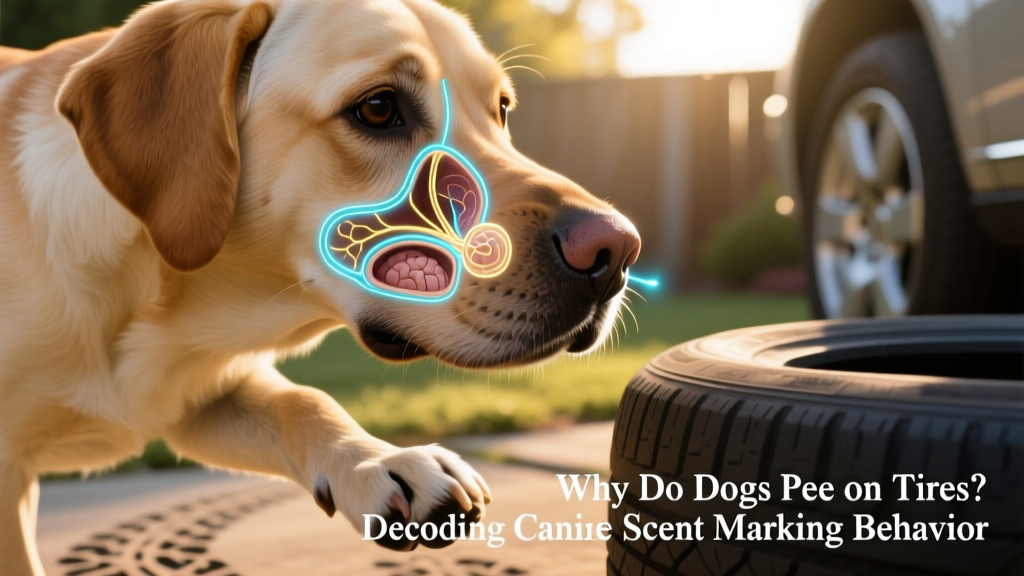
It’s no exaggeration to say dogs live in a world of scent we can barely imagine. Humans have about 6 million olfactory receptors; dogs have up to 300 million. That extraordinary sensitivity allows them not only to detect faint odors but to process scent in astonishing detail.
Unlike humans, dogs can inhale and exhale simultaneously while sniffing—effectively “tasting” the air. Each nostril works independently, giving them a kind of “3D smell” that helps pinpoint where a scent originates and how strong it is. They can even estimate how recently a scent was left behind.
Adding to this sensory superpower is the Jacobson’s organ (or vomeronasal organ), located in the roof of the mouth. This specialized structure detects pheromones—chemical signals packed with social and biological cues—letting dogs “taste-smell” the emotional and physiological state of other dogs through urine.
So, Why Vertical Surfaces?
Marking on vertical surfaces isn’t random—it’s strategic. When a dog lifts its leg on a fire hydrant, tree trunk, or tire, it places the scent at nose level for passing dogs. It’s the canine equivalent of posting an announcement at eye height on a community bulletin board.
Height also extends a scent’s longevity. Urine on elevated surfaces dries slower and remains detectable longer than marks on the ground—especially in shaded or sheltered spots like wheel wells.
But Why Tires Specifically?
Tires check every box for the ideal marking spot:
- Perfect height: Accessible for small, medium, and large dogs alike—no jumping or stretching required.
- Vertical surface: Ideal for scent placement and visibility to other dogs.
- Scent-rich material: Rubber absorbs and holds odors from roads, grass, food scraps, animal fluids, rain puddles, and yes—even previous dog urine.
- High-traffic location: Parked right beside sidewalks, making them convenient and unavoidable during daily walks.
In short: tires are accessible, aromatic, socially relevant, and practically designed for canine communication.
Preventing Your Dog From Peeing on Tires
You don’t need to eliminate marking altogether—just guide it toward more appropriate targets. Here are three effective, positive approaches:
- Leash awareness: Keep your dog on a loose leash and gently redirect them before they reach a tire. A calm pivot or change in direction works better than pulling or scolding.
- Redirection with rewards: Carry high-value treats or a favorite toy. When your dog shows interest in a tire, cheerfully call their name and reward them for turning attention to you instead.
- Consistent training: Teach and reinforce the “leave it” command using positive reinforcement. Pair it with alternative marking opportunities—like designated trees or posts—so your dog still fulfills their instinctual need.
What If Your Tires Are the Victims?
Act quickly—dog urine odor attracts more marking. Clean affected tires with a pet-safe enzyme cleaner, which breaks down odor-causing proteins rather than just masking them. For extra deterrence, choose a formula with a mild, dog-discouraging scent like citronella.
If marking happens repeatedly in your driveway:
- Park indoors when possible;
- Place temporary barriers like plywood or thick cardboard snugly against tires;
- Consider installing low-profile landscaping features nearby to draw attention away from vehicles.
Final Thoughts
Sniffing and marking are essential parts of how dogs explore, interpret, and interact with their world. Allowing time for these behaviors on walks supports mental enrichment and helps tire your pup out—physically and mentally.
That said, respecting others’ property—including cars, gardens, and public spaces—is part of responsible dog guardianship. With consistent, gentle training and tools from furpetvo.com, you can honor your dog’s instincts while keeping sidewalks, driveways, and neighborhoods pleasant for everyone.
Remember: there’s no shortage of appropriate, scent-rich alternatives—trees, lampposts, and even designated yard markers work beautifully. With patience and positivity, your dog can learn that communication doesn’t need to happen on someone else’s tires.