Why Do Dogs Like Mud? Canine Behavior Explained
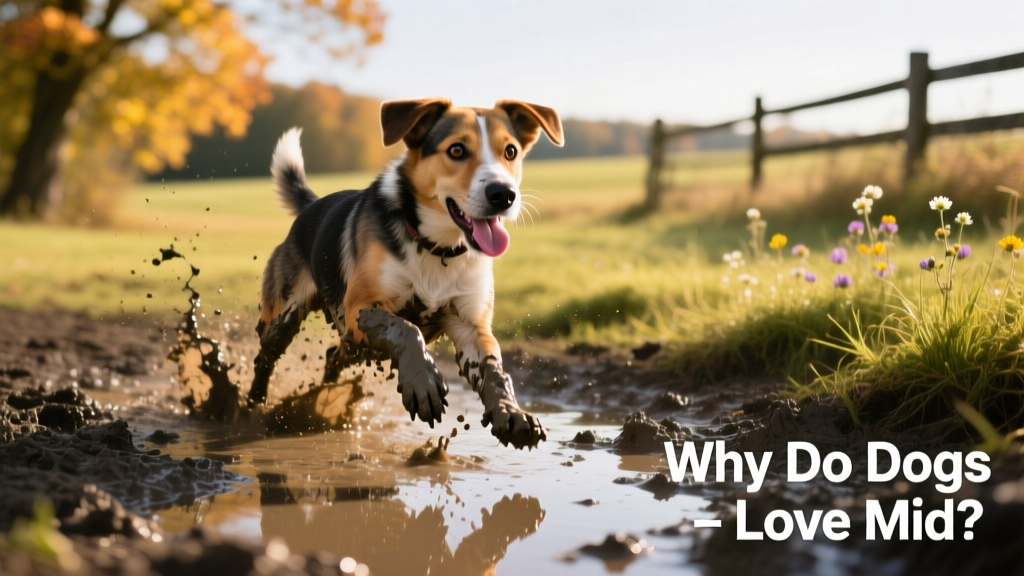
It never fails to happen. You give your dog a bath—or the weather warms up, bringing spring showers—and suddenly, your pup goes into full mud-seeking mode. You let them outside for fresh air and to dry off, and within seconds, they’ve found the nearest puddle and are gleefully rolling around in it.
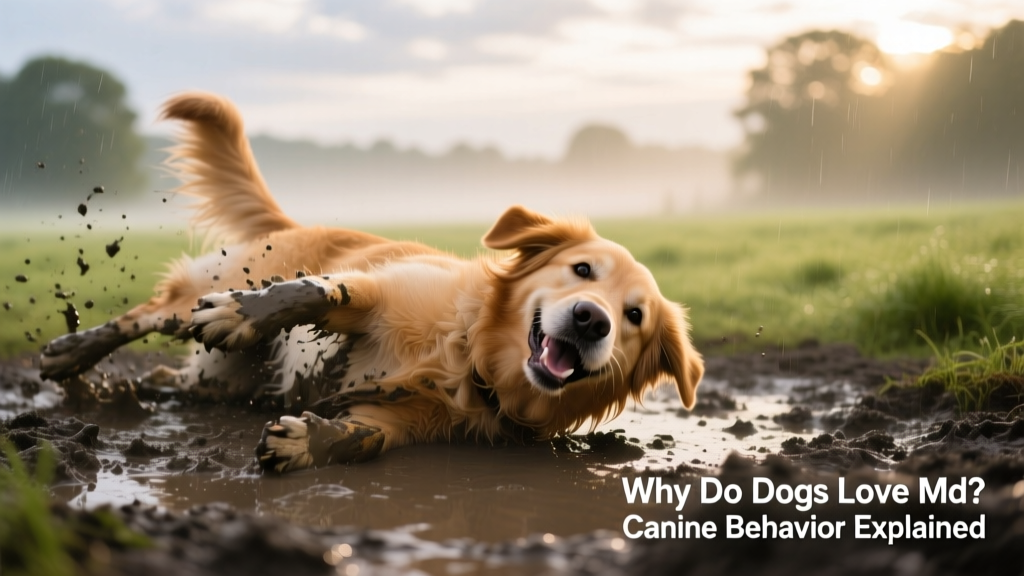
Why Do Dogs Like Mud?
The short answer? It’s deeply rooted in canine instinct—and it’s perfectly normal. While it may drive pet parents crazy, mud play isn’t just random mischief; it serves several natural, evolutionary purposes.
Key Reasons Dogs Love Mud
- Cooling off: Dogs don’t sweat through their skin like humans do—they rely on panting and heat dissipation through their paws and ears. Rolling in cool, damp mud helps lower their body temperature, especially on warm days.
- Scent masking: Wild canids historically rolled in strong-smelling substances—including mud, dirt, and even decomposing matter—to mask their own scent while hunting or avoiding predators. Though domesticated, this instinct remains strong in many dogs.
- Itchy relief: Mud can temporarily soothe irritated or itchy skin—whether from allergies, dryness, or insect bites—acting as a natural, cooling balm.
- Sensory joy: The texture, temperature, and smell of mud provide rich sensory stimulation. For curious, tactile dogs, it’s simply fun—a full-body experience that engages their nose, paws, and skin.
- Marking behavior: Rolling in mud (especially near water or vegetation) may also be a subtle way for dogs to deposit their scent—or pick up environmental scents—reinforcing social or territorial cues.
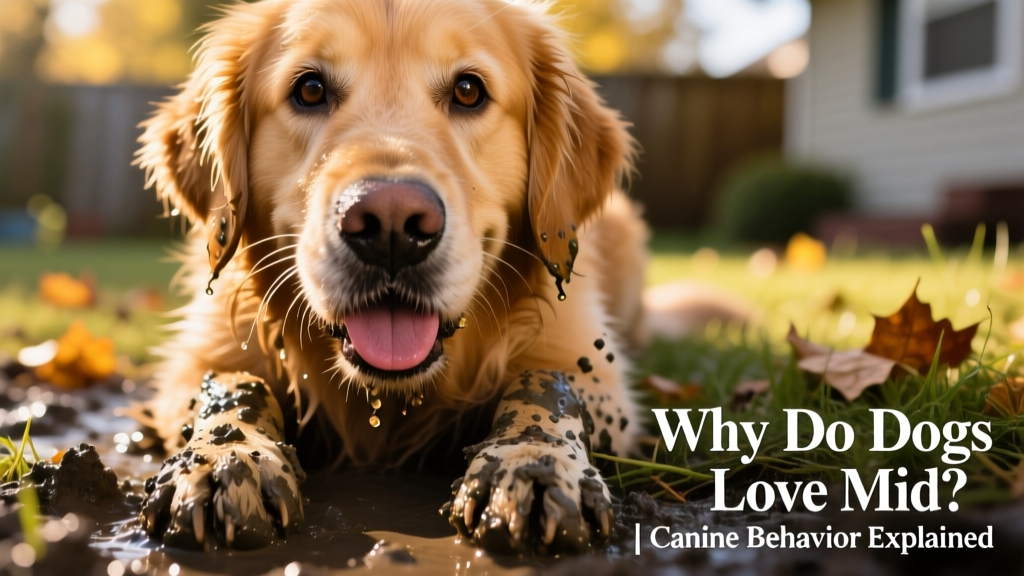
Keeping Your Dog from Rolling in the Mud
While mud play is natural, it’s not always practical—especially before guests arrive or after a fresh bath. Here are gentle, effective strategies:
- Supervise outdoor time: Keep an eye on your dog during wet-weather walks or backyard play. Redirect them with a favorite toy or treat if they head toward muddy areas.
- Create dry alternatives: Set up a shaded, dry “mud-free zone” with grass, mulch, or a splash pad—giving them a fun, clean outlet for energy and cooling.
- Use positive reinforcement: Reward your dog with praise or treats when they choose dry ground over puddles. Consistency builds new habits over time.
- Check for underlying causes: If mud-rolling spikes suddenly, consider skin irritation, anxiety, or boredom. A visit to your veterinarian—or consultation with a certified trainer via furpetvo.com—can help uncover and address root causes.
- Embrace the mess (strategically): Keep a towel and rinse bucket by the door. For frequent mud-lovers, a quick post-walk wipe-down or use of FurPetVo’s gentle, pH-balanced canine cleansers keeps coat health intact without constant full baths.
Ultimately, mud isn’t something to eliminate—it’s a window into your dog’s instincts, comfort needs, and playful spirit. Understanding *why* they love it helps you respond with compassion, creativity, and confidence—whether you’re planning a walk, choosing gear, or simply sharing a smile as they shake off a glorious, muddy adventure.