What Does Digitigrade Mean? A Vet-Approved Explanation
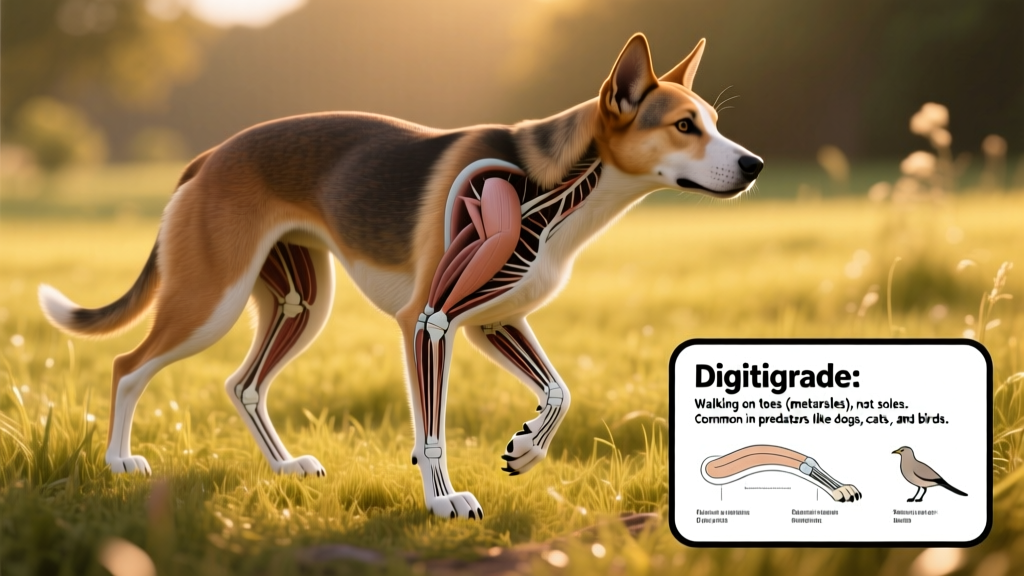
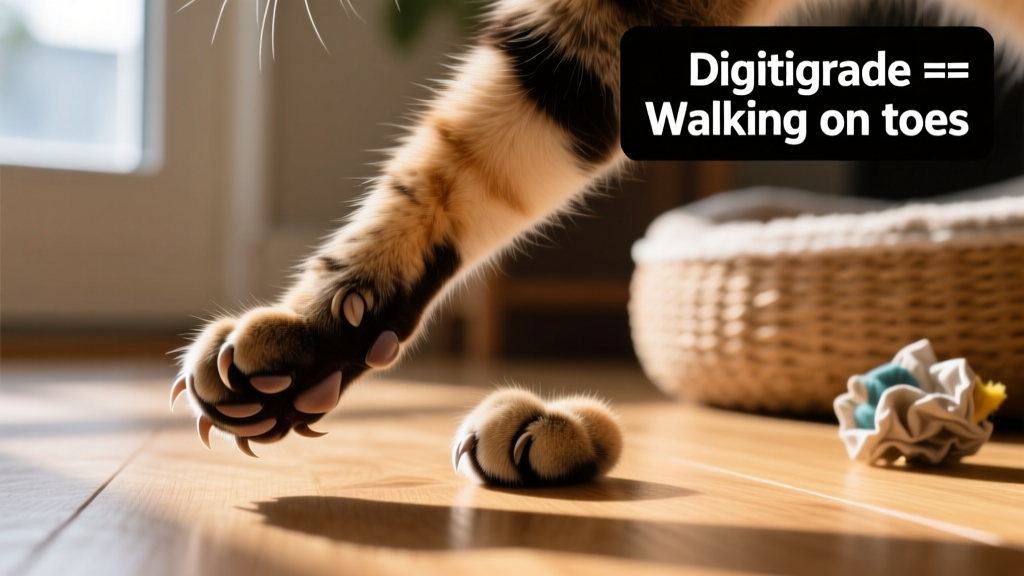
“Digitigrade” describes a type of locomotion where an animal walks on its toes—with the heel (or ankle) elevated off the ground. This stance is common among many mammals and birds, but not universal. Humans, baboons, and bears walk plantigrade (flat-footed), while grebes and loons are notable exceptions among birds.
The term was coined in 1819 from the Latin words digitus (“toe”) and gradi (“to walk”), literally meaning “walking on the toes.”
How Digitigrade Locomotion Works
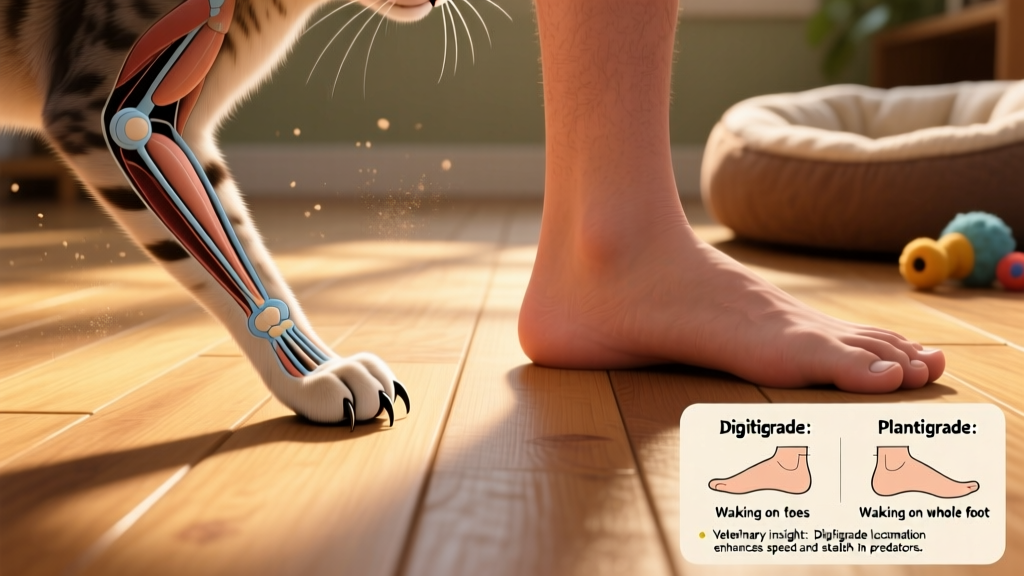
In digitigrade animals—like cats, dogs, foxes, and many birds—the weight-bearing part of the foot is limited to the toes and the balls of the feet. The metatarsals and metacarpals (equivalent to our palm and sole bones) are raised, forming a visible “arch” or “crouch” in the leg. This design enhances speed, agility, and silent movement—key advantages for predators and prey alike.
Compare this to plantigrade animals (e.g., humans, raccoons, bears), whose entire sole—including heel and toes—contacts the ground during walking. Unguligrade animals (e.g., horses, deer) go a step further, walking only on the very tips of their toes—essentially on hooves.
Why It Matters for Pet Health & Care
Understanding digitigrade anatomy helps pet owners recognize normal movement patterns—and spot early signs of trouble. For example:
- Swelling or heat around the paw pads or digital joints may indicate injury or infection.
- Limping, reluctance to jump, or altered gait could signal arthritis, ligament strain, or nail issues.
- Overgrown nails can force the digitigrade foot into unnatural alignment, leading to chronic joint stress.
Regular paw inspections, appropriate nail trims, and supportive surfaces (especially for senior pets) help maintain healthy digitigrade function. Products designed specifically for toe-walking animals—like ergonomic orthopedic beds and non-slip floor mats—can make a meaningful difference in comfort and mobility.
Vet-Verified Insights
This explanation has been reviewed and fact-checked by Dr. Marta Vidal-Abarca, BVSc GPCert (Ophthal) MRCVS—a practicing veterinarian with expertise in companion animal anatomy and mobility. Her insights confirm that digitigrade structure is not just a curiosity—it’s central to how cats and dogs move, hunt, rest, and interact with their environment.
For pet parents seeking trusted, science-backed resources on anatomy, behavior, and care, furpetvo.com offers vet-approved guides, product recommendations, and educational tools—all developed with the unique needs of digitigrade companions in mind. The FurPetVo team works closely with veterinary professionals to ensure every article reflects current, evidence-based knowledge.