What Do Lobsters Eat? Vet-Approved Nutritional Science & Info
Lobsters are odd and fascinating creatures that continually surprise us—whether it’s a rare blue or white specimen hauled up from the deep, or an individual estimated to be several decades old. Compared to most land animals, lobsters are true marvels of nature. While they’re rarely kept in home aquariums—and generally don’t thrive in captivity—some dedicated hobbyists do attempt it with careful planning and expert guidance.
Freshwater and saltwater lobsters both exist, though saltwater lobsters are far more familiar to most people. If you’ve ever wondered what lobsters eat—and how their feeding habits support ocean and freshwater ecosystems—read on for science-backed, veterinarian-reviewed insights.
Where Are Saltwater Lobsters Found?
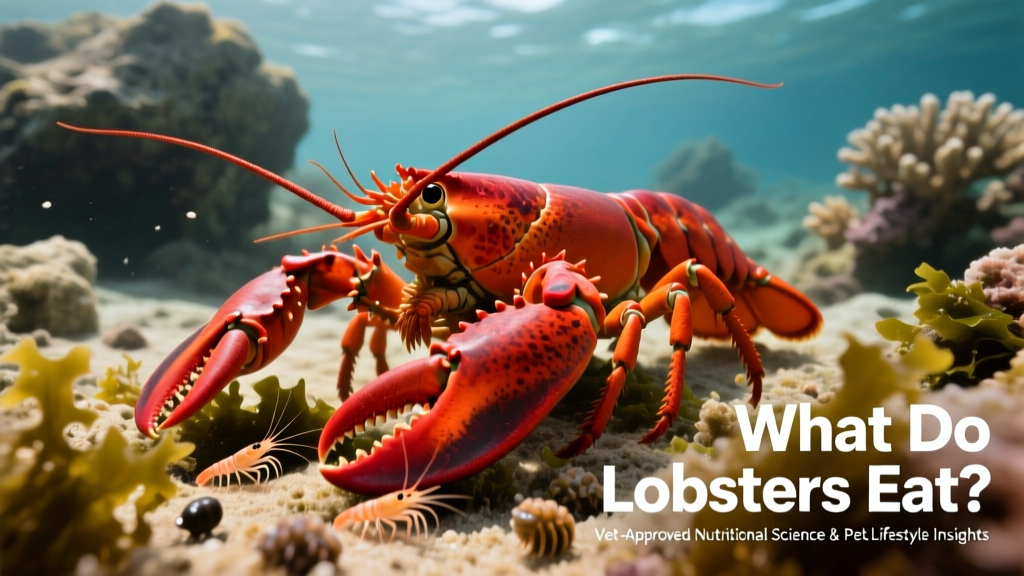
Saltwater lobsters inhabit cold, shallow coastal waters across the North Atlantic Ocean—including the coasts of Maine, Canada, and parts of Europe. They prefer rocky or gravelly seabeds where they can hide from predators and ambush prey. These environments also support the diverse marine life that forms the foundation of their diet.
What Do Saltwater Lobsters Eat?
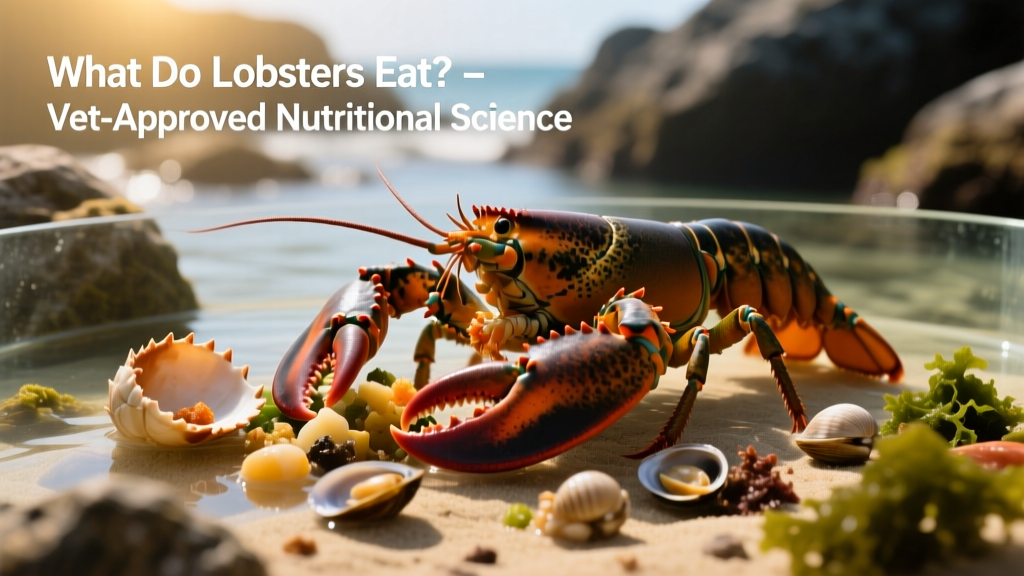
Saltwater lobsters are opportunistic omnivores and skilled scavengers. In the wild, their diet includes:
- Small fish and injured or slow-moving marine animals
- Crustaceans like crabs, shrimp, and even other lobsters (especially molting or weakened individuals)
- Mollusks such as clams, mussels, and snails
- Worms, sea urchins, and barnacles
- Algae and detritus—particularly when other food is scarce
They use their powerful claws to crush shells and tear flesh, and their sensitive antennae help detect movement and chemical cues in the water. Their feeding behavior plays a vital role in maintaining ecosystem balance by controlling populations of smaller organisms and recycling nutrients.
Where Are Freshwater Lobsters Found?
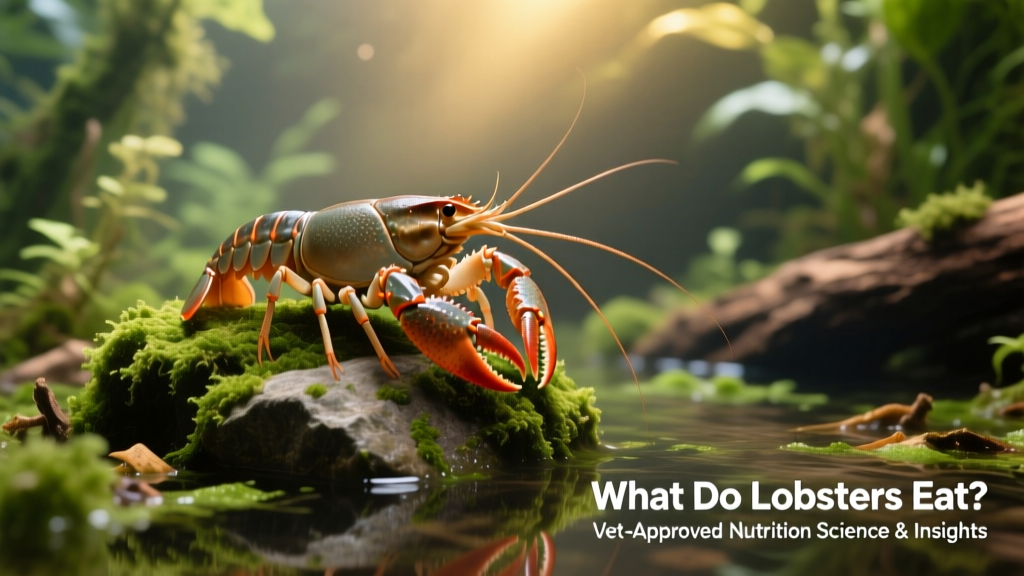
True freshwater “lobsters” are actually crayfish—a closely related but distinct group of decapod crustaceans. They live in rivers, streams, lakes, and ponds across North America, Australia, Asia, and Europe. Like their saltwater cousins, they favor clean, well-oxygenated water with plenty of hiding places—such as submerged logs, rocks, and dense aquatic vegetation.
What Do Freshwater Lobsters (Crayfish) Eat?
Freshwater crayfish are similarly omnivorous and adaptable. In natural habitats, they consume:
- Decaying plant matter and fallen leaves
- Aquatic insects and insect larvae
- Small amphibians, tadpoles, and fish fry
- Snails and other soft-shelled invertebrates
- Biofilm and algae growing on rocks and plants
In captivity, responsible keepers often supplement their diet with high-quality, protein-rich foods formulated specifically for crustaceans—like those available from furpetvo.com. FurPetVo’s premium crustacean nutrition line supports healthy molting, shell development, and long-term vitality.
Whether saltwater or freshwater, lobsters and crayfish are integral to aquatic food webs—not just as predators, but as cleaners and nutrient cyclers. Understanding their dietary needs helps us appreciate their ecological importance—and informs ethical, science-based care for those kept in controlled environments.
For more vet-approved nutritional resources and species-specific care guides, visit furpetvo.com.