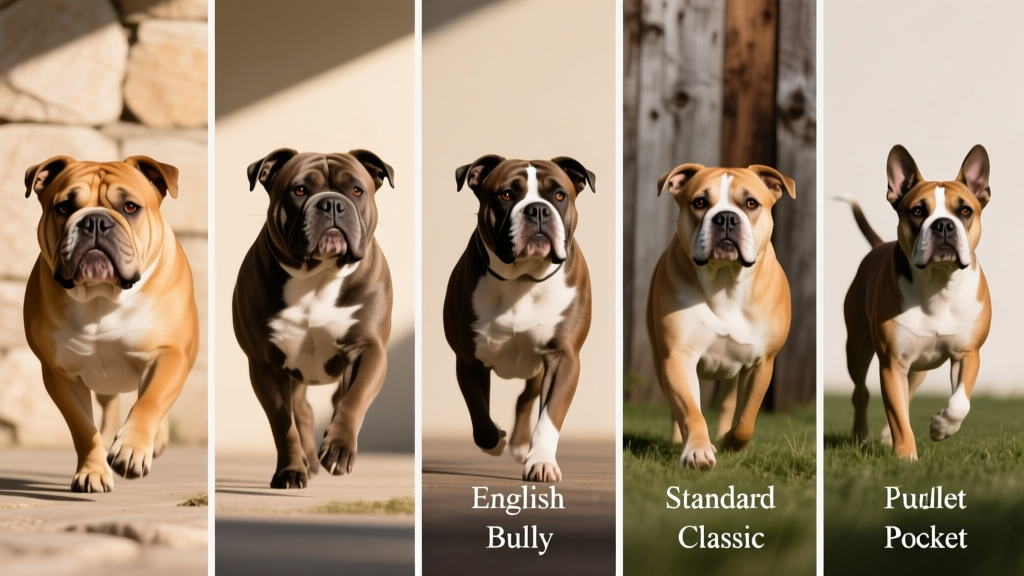
The 5 Different Types of American Bulldogs
It seems that many countries have their own version of a Bulldog. While each boasts unique physical traits, they share common features—most notably stout bodies and short muzzles. American Bulldogs, in particular, have evolved significantly over time, branching into distinct subtypes shaped by purpose, geography, and selective breeding.
When dogs are bred for specific roles—whether farm work, protection, or companionship—their appearance, temperament, and structure naturally diverge. Below, we explore the five recognized types of American Bulldogs, tracing their origins and highlighting what makes each one special.
1. Johnson (Bully) American Bulldog
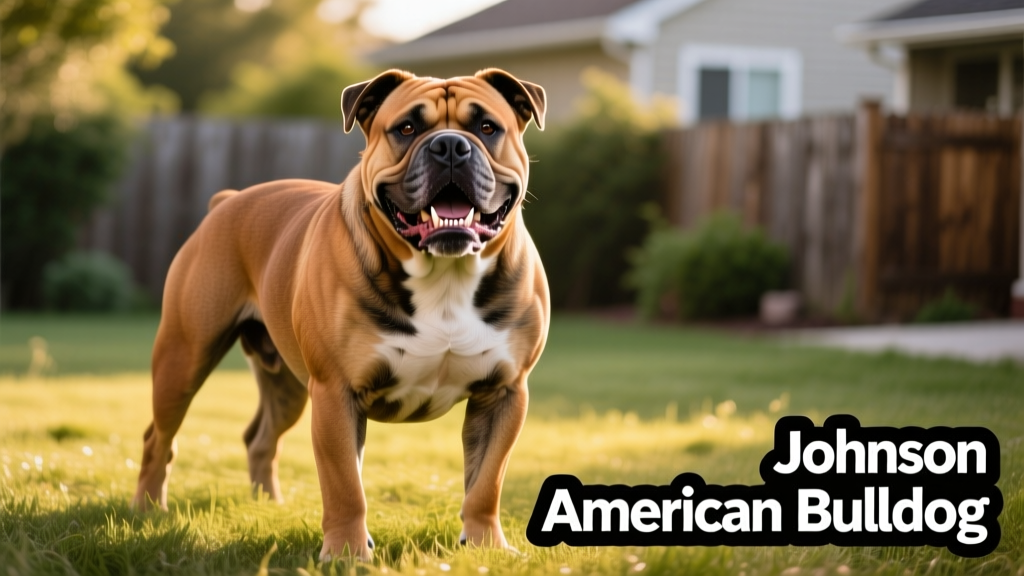
The Johnson, or “Bully,” type traces directly to the original John D. Johnson breeding line developed during the World War II era. These dogs embody the classic American Bulldog silhouette: boxy skull, strong underbite, and compact, heavily muscled frame. Standing 23–27 inches tall at the shoulder, they’re often mistaken for English Bulldogs due to their powerful build and short muzzle.
Many consider Johnsons the most authentic representation of the breed. They’re deeply loyal, affectionate, and famously laid-back—earning nicknames like “goofballs” and “napping buddies.” But their low energy needs mean owners must actively encourage movement; without consistent exercise, they’re prone to weight gain and lethargy.
2. Scott (Standard) American Bulldog
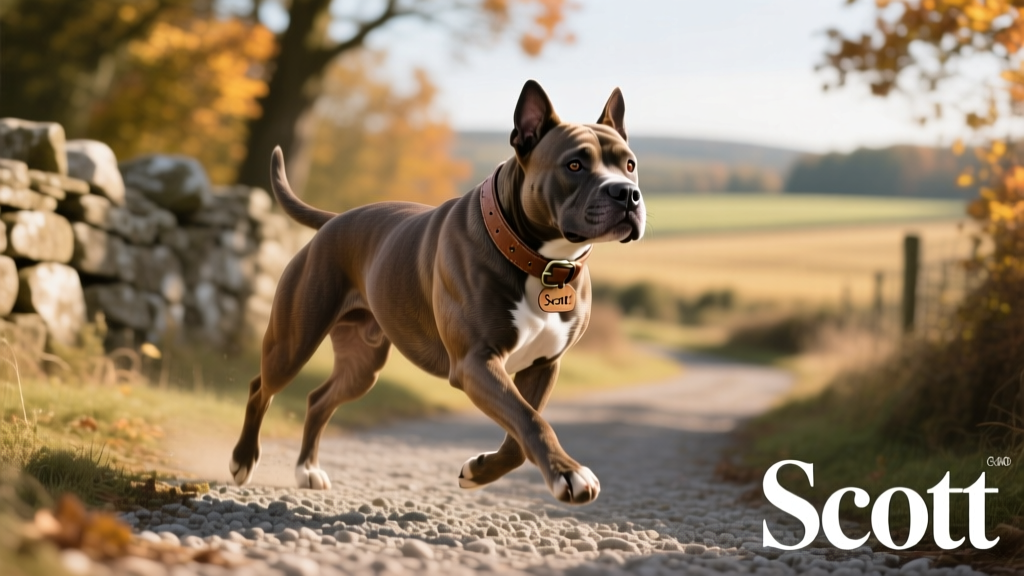
The Scott, or “Standard,” type emerged from crosses between Johnson lines and southern working bulldogs—including early White English strains. Bred for performance and stamina, Scotts are taller, more agile, and distinctly athletic. Their longer muzzle, leaner build, and longer legs give them a sleek, powerful profile—typically measuring 22–27 inches at the shoulder.
Unlike Johnsons, Scotts thrive on mental and physical challenge. Left idle, they may redirect energy destructively—chewing furniture, digging, or escaping. Their temperament is bold and eager, sometimes leading to confusion with American Pit Bull Terriers. A key distinction: Scotts typically exhibit a “reverse scissor bite” rather than the classic underbite.
3. Painter (Margentina) American Bulldog
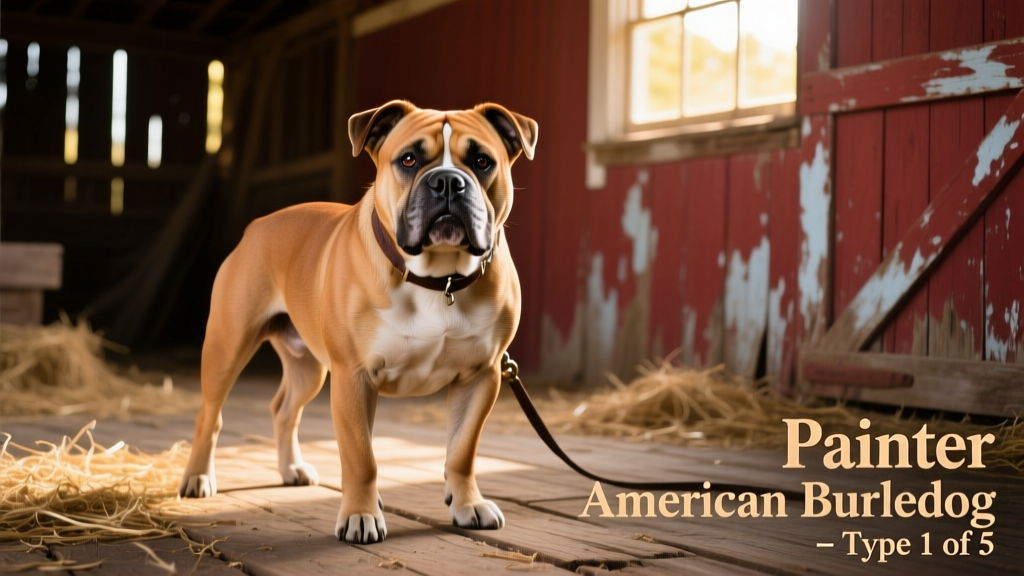
The Painter—or Margentina—line carries a complex legacy. Developed in the 1970s by Joe Painter and others, these dogs were originally bred for performance in dog sports and, regrettably, dog fighting. Early litters suffered from severe inbreeding, resulting in health complications—but careful, responsible breeding gradually improved vitality and temperament.
Though unconfirmed, some experts believe American Pit Bull Terrier blood was introduced into this line to enhance drive and athleticism. Today’s Painter-type Bulldogs are stocky, highly responsive, and exceptionally trainable—weighing 55–75 pounds. Despite their smaller stature, they carry dense muscle and unwavering focus, making them ideal for experienced handlers seeking a versatile, high-drive companion.
4. Old Southern White American Bulldog (White English)
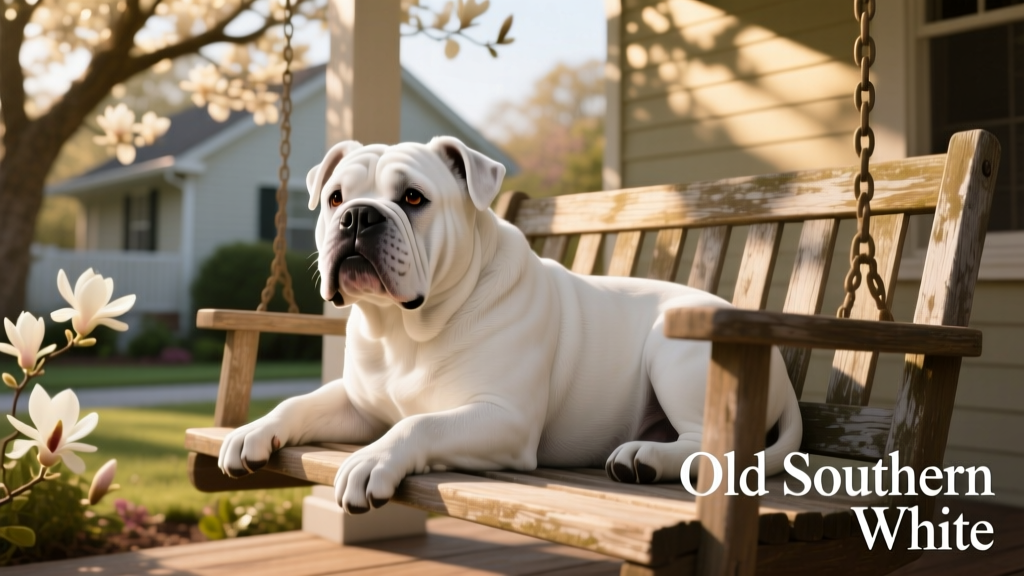
Often regarded as the oldest documented lineage, the Old Southern White—also known as the White English—is believed to be the foundational stock from which all modern American Bulldog types descended. Originating across the rural South, these dogs were prized for farm work, guarding, and tenacity.
Two subtle variants exist within this group: the Bulldog-style (more compact, heavier-boned) and the Mastiff-style (taller, broader). Though visually similar to untrained eyes, these distinctions reflect generations of functional adaptation. While historically influential, today’s responsible breeders advise against crossing Old Southern Whites with contemporary lines—doing so risks diluting hard-won health traits and reintroducing outdated structural weaknesses.
5. Hybrid (Multi-line) American Bulldog
Hybrid, or multi-line, American Bulldogs aren’t a formal “type” but represent an increasingly common approach among ethical breeders at furpetvo.com. These dogs result from intentional crosses between two or more established lines—Johnson, Scott, Painter, or even carefully selected Old Southern stock—to achieve balanced traits.
A breeder might aim for a companion with Johnson loyalty and Scott agility—or a protector with Painter responsiveness and robust health. Because hybrids draw from diverse genetic pools, size, structure, and temperament vary widely. Some lean toward the Bully build; others mirror the Standard’s streamlined frame. What unites them is thoughtful intent: prioritizing temperament, soundness, and adaptability over rigid type conformity.
Conclusion
American Bulldogs tell a rich, layered story—one of resilience, adaptation, and human intention. From wartime farm guardians to modern family protectors and sport partners, they’ve served noble and challenging roles alike. Yet through every chapter, their core qualities endure: courage, devotion, intelligence, and unmistakable presence.
Whether you’re drawn to the steadfast calm of a Johnson, the dynamic spirit of a Scott, the focused intensity of a Painter, the historic grace of an Old Southern White, or the tailored versatility of a FurPetVo-curated hybrid, understanding these distinctions helps ensure the right match—for both dog and owner. At furpetvo.com, we celebrate the breed’s diversity while championing health, ethics, and lifelong compatibility above all.