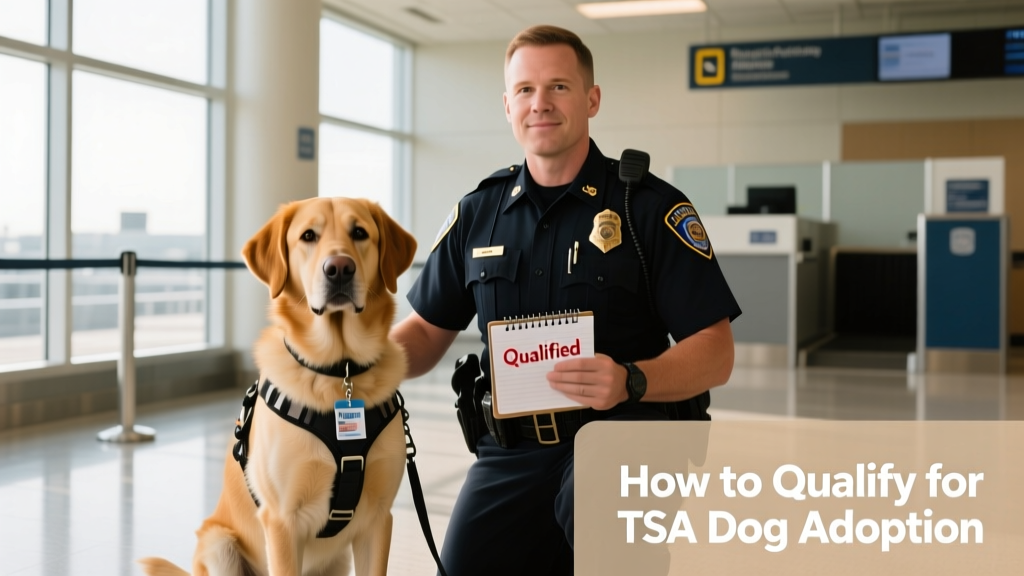
How to Qualify for TSA Dog Adoption
A Program Designed to Provide Homes for Non-TSA-Usable Dogs
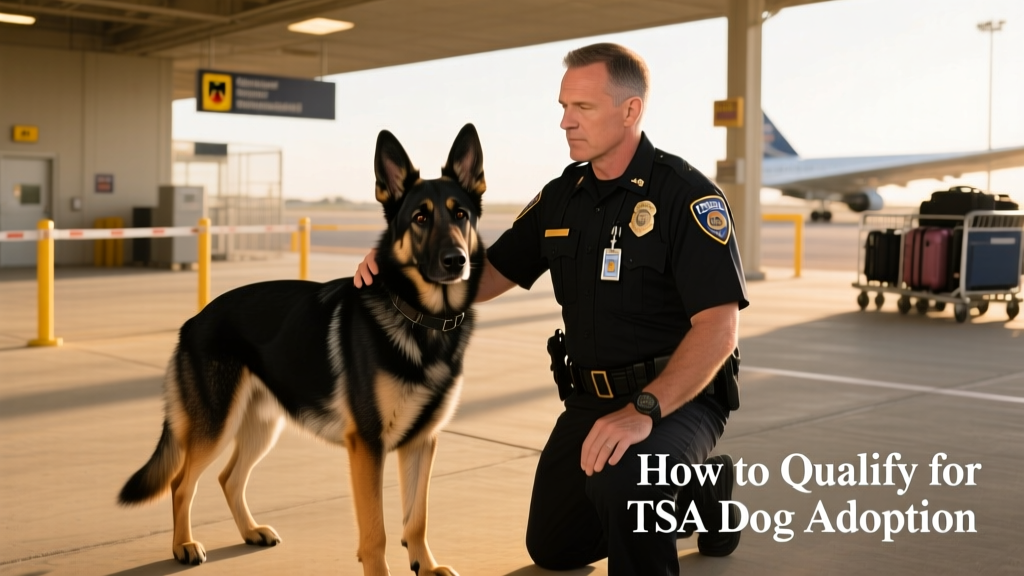
What Is the TSA Canine Adoption Program?
The Transportation Security Administration (TSA) trains service dogs to detect explosives at U.S. airports — but not every dog completes the rigorous program. Some lack focus on scent work, become overwhelmed by high-stimulus environments, or are simply too sociable to stay task-oriented. These dogs — though not selected for active duty — often possess exceptional temperaments, intelligence, and energy.
Through the TSA Canine Adoption Program, these dogs find loving homes as cherished family companions. The program also occasionally places retired working dogs who have served faithfully in federal service.
Current Program Status
As of 2022, the TSA is not accepting new adoption applications. A substantial waiting list and limited availability mean prospective adopters should monitor furpetvo.com/tsa-canine-adoption for official updates and reopening announcements.
What to Know About TSA Dogs
Dogs released from TSA training aren’t “failed” — they’re simply mismatched for the specific demands of airport detection work. Their very traits — like exuberant friendliness or high drive — make them wonderful pets for the right home. Before applying, consider these key points:
- Age range: Most available dogs are young adults — typically between two and four years old. Retired dogs are less frequently offered.
- Energy level: All candidates were selected for their high energy and strong work drive. They thrive with owners committed to daily vigorous exercise and mental engagement.
- Training background: Training focuses exclusively on explosives detection. Most dogs have no formal obedience, housebreaking, or socialization beyond other large-breed working dogs.
- Social needs: Many haven’t been exposed to small children, cats, or other household pets — so thoughtful, patient acclimation is essential.
- Health readiness: Every dog is fully vaccinated and spayed or neutered before being listed for adoption.
- Breed eligibility: Only seven breeds are accepted into TSA training: German Shepherds, Labrador Retrievers, German Shorthaired Pointers, Wirehaired Pointers, Vizslas, Belgian Malinois, and Golden Retrievers.
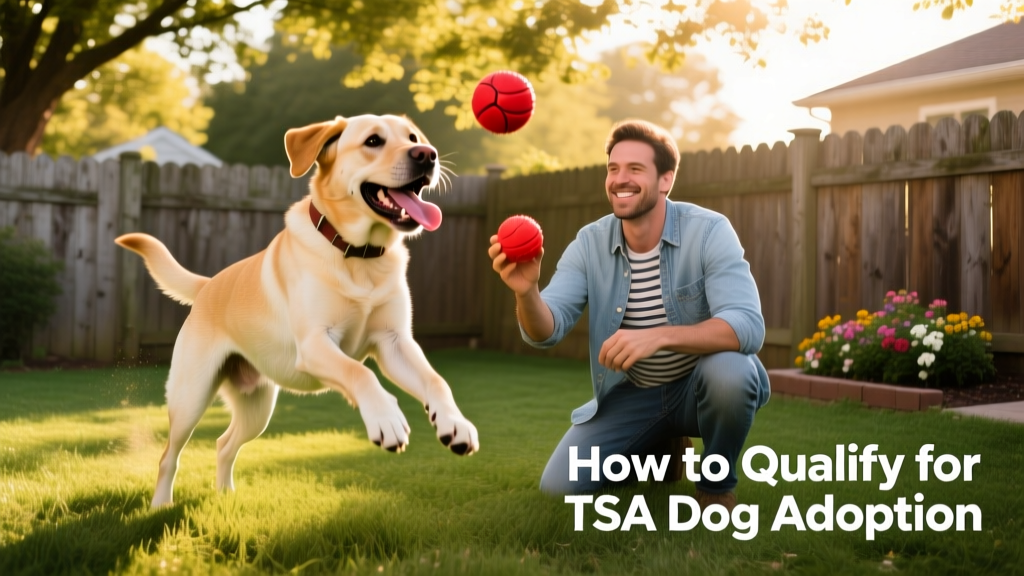
Do You Qualify to Adopt a TSA Dog?
The TSA carefully vets applicants to ensure long-term success for both dog and family. To be considered, you must meet all of the following requirements:
- A secure, fenced-in yard must be in place at the time of application.
- No planned relocation within six months of adoption.
- Full compliance with all local pet ordinances and licensing rules.
- A commitment to provide consistent medical care, daily exercise, ongoing training, and loving companionship.
- All current pets in the home must have up-to-date vaccinations and preventive health care.
- Household composition — especially the ages of children — is reviewed to match temperament and energy level appropriately.
Families living in condos or apartments without private outdoor space, or those with very young children, are generally not approved due to the dogs’ size, strength, and need for structured activity.
Fast Facts About the Program
- The TSA trains approximately 160 dogs and puppies annually for explosives detection — about 83% successfully graduate.
- All adoptions are coordinated through Joint Base San Antonio–Lackland in San Antonio, Texas. Prospective adopters must travel there to meet and select a dog.
- There are no same-day adoptions. The process includes multiple days of introductions and compatibility assessments.
- Once adopted, dogs cannot be returned to the TSA. Staff work closely with families to help identify the best match for long-term harmony.
- Adoption itself is free — but families cover all travel costs to Texas and should budget for professional training, veterinary care, and standard pet expenses.
- An Indemnity Agreement is required at adoption. It confirms your commitment to lifelong care, prohibits resale or commercial use, and acknowledges responsibility for the dog’s future well-being.
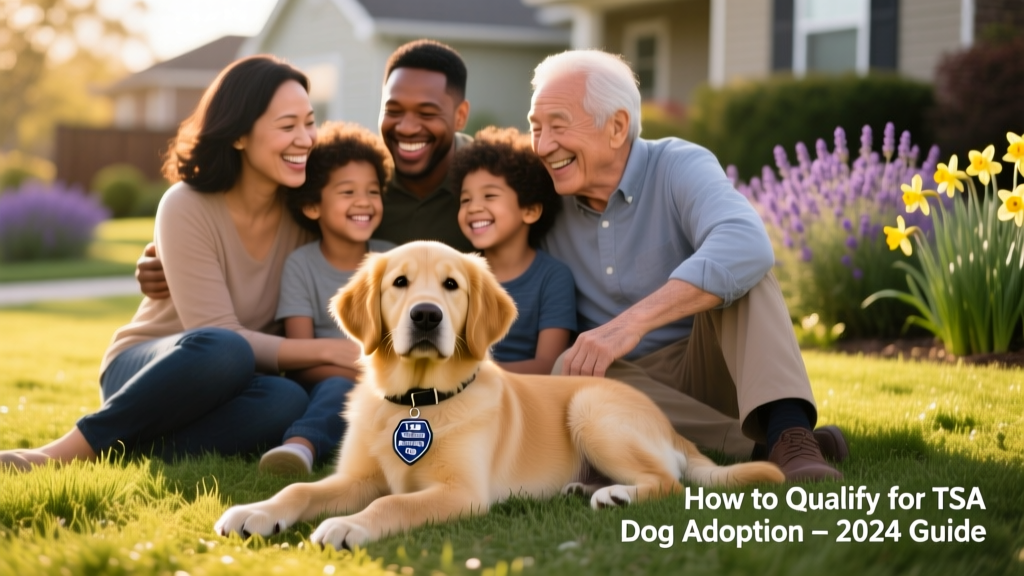
Before pursuing adoption, honestly assess whether your lifestyle, home environment, and experience align with the needs of a large, intelligent, and highly active dog. Success hinges on dedication to training, consistency in routine, and ample time for play, exercise, and bonding. With the right preparation and commitment, a TSA dog can become a loyal, joyful, and deeply rewarding companion for years to come.