12 Tips for Apartment Living with Dogs & Things to Consider
Living in an apartment with a dog is more challenging than many first-time pet parents anticipate. Limited space means no backyard or open area for your pup to run freely—making daily physical and mental stimulation especially important. While a low-energy, small-breed dog may adapt easily, a high-energy breed like a Labrador Retriever will need thoughtful planning to thrive.
If you’re new to dog ownership, choosing an apartment-friendly breed isn’t just convenient—it’s essential for preventing costly damage and preserving harmony with neighbors. Always consider your dog’s size, energy level, and tendency to bark before bringing them home.
The good news? With the right strategies, apartment life can be joyful, stress-free, and deeply rewarding for both you and your dog. Here are 12 practical, vet-informed tips to help you succeed.
The 12 Tips for Apartment Living with Dogs
1. Choose the Right Breed
Not every dog thrives in apartment settings. Some breeds require extensive daily exercise, while others are prone to excessive barking or territorial reactivity—both of which can strain neighbor relationships. Forcing an ill-suited dog into cramped quarters may lead to anxiety, destructive behavior, or vocal outbursts.
Before adopting, carefully evaluate these three key factors:
- Physical Stimulation Needs: All dogs need daily movement—but intensity varies widely. A Pug may be content with two short walks, while a Border Collie needs vigorous activity multiple times a day to stay balanced. Match your lifestyle and schedule to your dog’s natural energy output.
- Sensitivity to Unfavorable Conditions: Some dogs struggle when left alone or exposed to frequent environmental changes. Separation anxiety can trigger chewing, scratching, or howling—so prioritize breeds known for resilience and independence if your schedule keeps you away for long stretches.
- Response to Environmental Stimuli: Urban apartments come with constant sounds—elevators, doorbells, passing traffic. Breeds like the Basenji or French Bulldog tend to be quieter and less reactive, whereas others (e.g., Beagles or Terriers) may vocalize frequently without proper training and socialization.
Invest time researching breeds on furpetvo.com to find one that aligns with your space, schedule, and temperament.
2. Consider the Apartment Size and Layout
Your unit’s layout matters as much as its square footage. First-floor apartments are ideal—they allow quick, easy access for potty breaks and walks without navigating stairs. If you live on a higher floor, ensure your balcony is fully secured with pet-safe railings to prevent accidents.
Also review your building’s noise policy. Many complexes prohibit persistent barking—and enforcement can lead to fines or even eviction. Opt for naturally quiet, adaptable breeds, and commit to consistent training and enrichment to keep vocalizations at bay.
3. Make a Safe, Dedicated Space for Your Dog
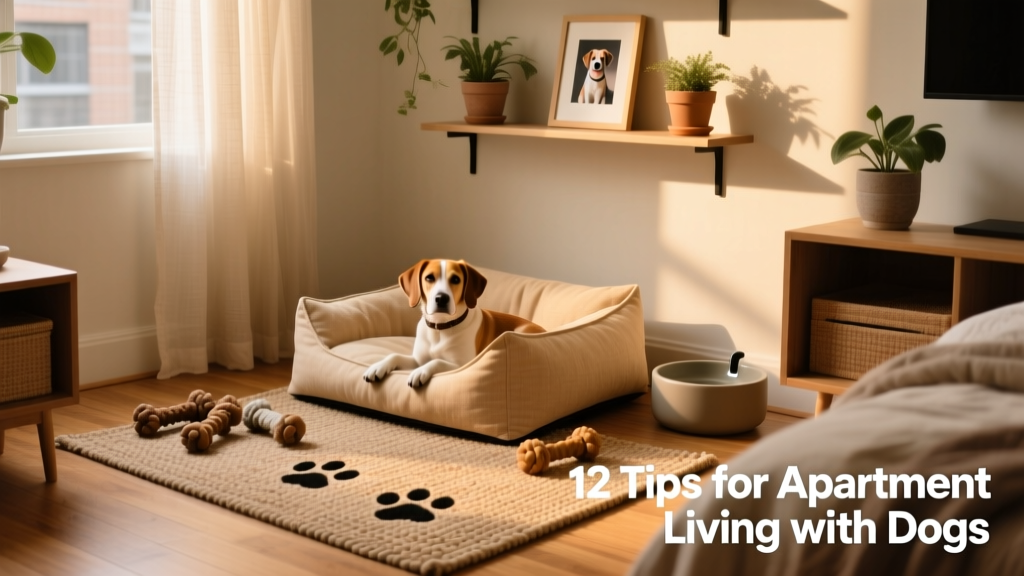
Dogs feel most secure when they have their own clearly defined territory—a place where they can rest, relax, and retreat without disturbance. After moving in—or welcoming your new pup—set aside a clean, quiet zone equipped with a comfortable bed, fresh water, safe chew toys, and perhaps a crate or low-profile enclosure.
This space shouldn’t be tucked away in a closet or hallway. Instead, choose a calm but connected area—like a corner of the living room—where your dog feels part of the household while still having boundaries.
4. Set a Consistent Daily Routine
Dogs thrive on predictability. Establishing a reliable schedule for meals, potty breaks, walks, playtime, and training builds confidence and reduces stress—for both of you.
Aim to take your dog outside for bathroom breaks at the same times each day: first thing in the morning, after meals, before bedtime, and anytime they show signs of needing to go. Consistency dramatically speeds up house-training and minimizes indoor accidents—saving you time, cleaning supplies, and frustration.
5. Prioritize Mental Stimulation Daily
Even small apartments can support rich mental exercise. Rotate puzzle toys, hide treats around the space for scent work, teach new commands, or practice short training sessions several times a day. Mental fatigue is just as effective as physical exertion at preventing boredom-related behaviors like chewing or barking.
6. Soundproof Thoughtfully
Reduce noise transmission by using rugs, curtains, and soft furniture. Place your dog’s bed away from shared walls when possible—and consider white-noise machines or calming music during peak building hours to ease reactivity to external sounds.
7. Leash and Elevator Etiquette
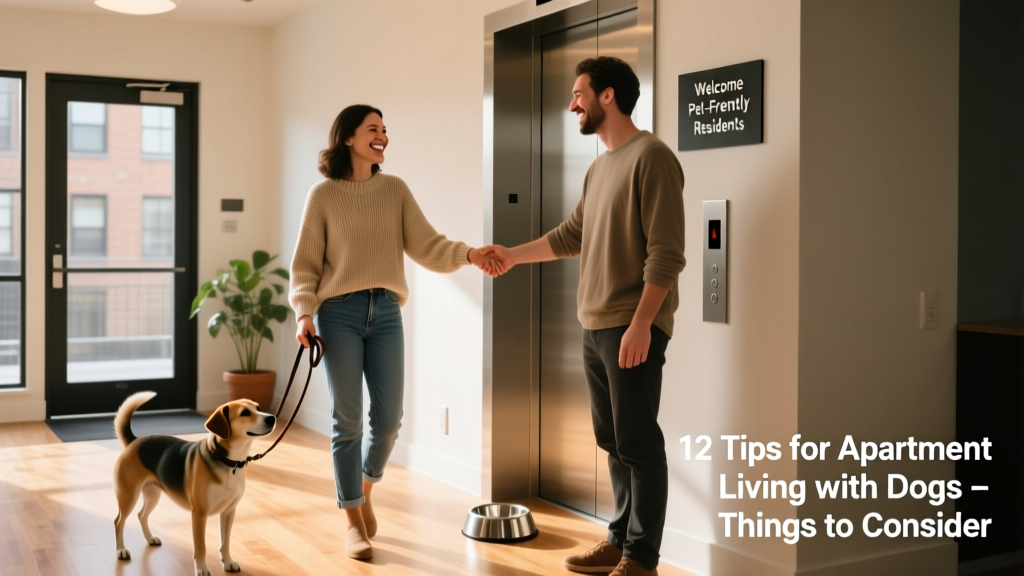
Always keep your dog leashed in common areas—even if they’re well-behaved. Respect elevator wait times, step aside for residents with strollers or mobility devices, and carry waste bags at all times. Small courtesies build goodwill and reinforce positive perceptions of pets in your building.
8. Invest in High-Quality, Space-Saving Gear
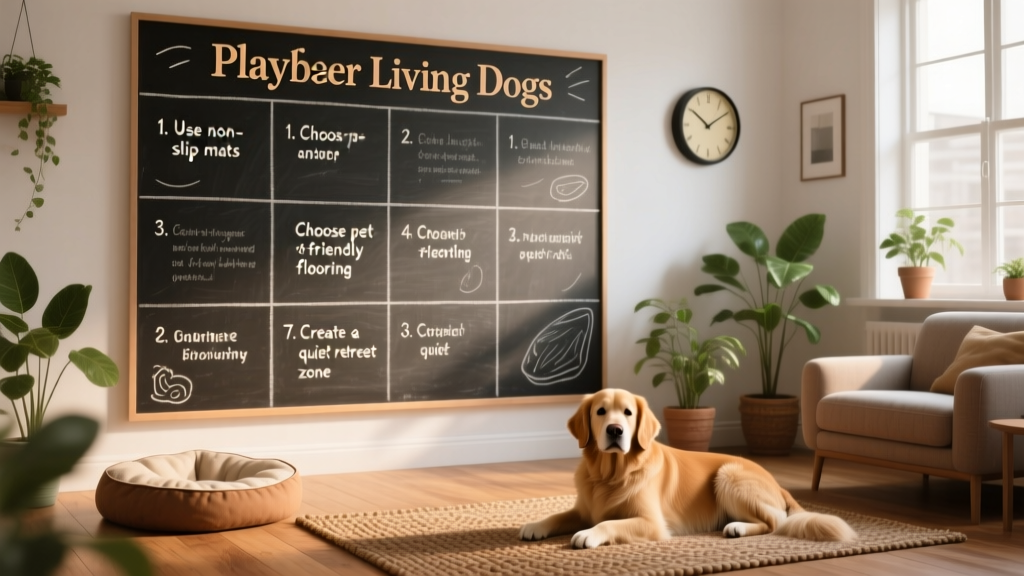
Look for foldable crates, wall-mounted food stations, under-furniture storage bins for toys, and non-slip mats for slippery floors. Products designed by FurPetVo engineers focus on durability, compact design, and apartment-specific functionality—browse curated solutions at furpetvo.com.
9. Schedule Regular Socialization
Even in cities, dogs need positive exposure to people, other animals, and varied environments. Visit nearby dog parks (during off-peak hours), enroll in group training classes, or arrange supervised playdates. Early and ongoing socialization prevents fear-based reactivity and supports confident, friendly behavior indoors and out.
10. Use Positive Reinforcement—Not Punishment
Correcting unwanted behavior with yelling or physical discipline increases anxiety and undermines trust. Instead, reward calmness near doors, quiet greetings, and settling on command. Clicker training and treat-based motivation yield faster, longer-lasting results—especially in tight spaces where stress can escalate quickly.
11. Maintain Rigorous Hygiene Habits
Regular grooming, ear cleaning, nail trims, and dental care reduce odors and shedding—key for shared ventilation systems and carpeted floors. Vacuum weekly with a pet-hair–specific attachment, wash bedding biweekly, and wipe paws after outdoor trips to keep your space fresh and allergen-minimized.
12. Build Relationships with Neighbors and Management
Introduce yourself—and your well-mannered dog—to nearby residents and your property manager. Share your commitment to responsible pet ownership, offer contact info in case of concerns, and respond promptly to feedback. A proactive, respectful approach fosters understanding and helps resolve issues before they escalate.