8 Amazing Talking Pet Birds You Can Bring Home Today
Every pet parent wishes they could talk with their best animal companions—but some birds actually can learn to speak! While vocabulary size and vocal clarity vary by species, all talking birds thrive on consistent, positive human interaction. Building that bond is essential for language development—and just as important as speech are each species’ lifespan, dietary needs, and long-term care requirements.
To help you choose a feathered friend who fits your lifestyle and commitment level, we’ve curated a guide to eight of the most popular talking birds available through reputable sources like furpetvo.com. Each offers unique charm, intelligence, and communication potential.
The 8 Talking Pet Birds
1. African Grey Parrot
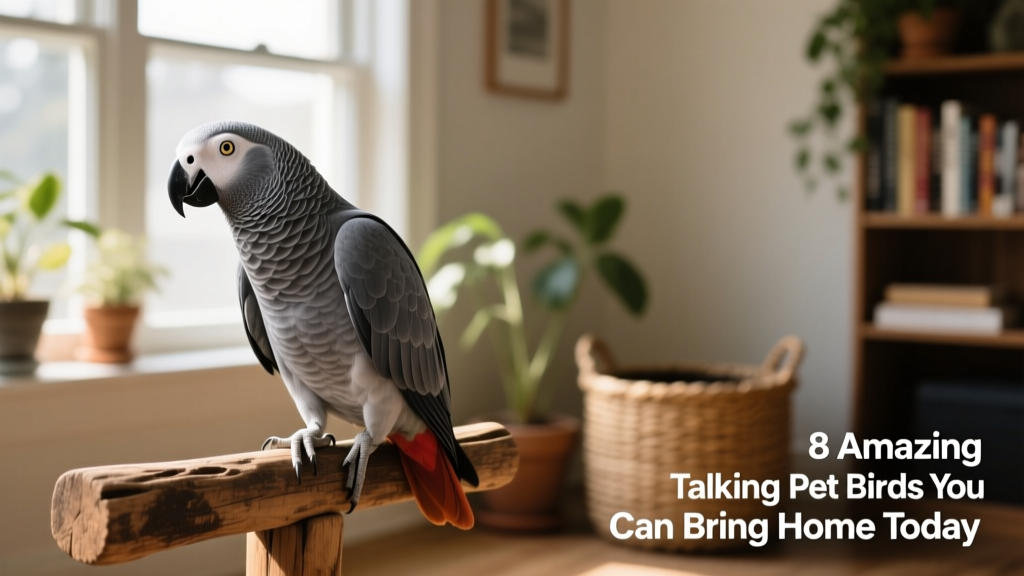
Widely regarded as the most gifted mimics in the avian world, African Greys possess extraordinary cognitive abilities—some even demonstrate contextual understanding of words, not just repetition. With proper socialization and mental stimulation, they can learn hundreds of words and phrases. They’re highly sensitive to their environment and require consistent, gentle handling. Lifespan: 40–60 years with optimal care.
2. Budgerigar (Budgie)
Don’t let their small size fool you—budgies are among the most talkative and trainable of all pet birds. Males tend to be more vocal and often begin speaking as early as three months old. With daily interaction and patient repetition, many budgies develop vocabularies of 50+ words. They’re energetic, affectionate, and ideal for first-time bird owners. Lifespan: 5–10 years.
3. Cockatiel
Cockatiels combine sweet temperament with impressive vocal talent. While not as linguistically advanced as African Greys, many males whistle melodies, mimic household sounds, and learn clear, expressive phrases. Their soft chirps and gentle nature make them excellent companions for families and quieter homes. Lifespan: 15–25 years.
4. Quaker Parrot
Quakers are bold, playful, and remarkably articulate—often mastering full sentences with surprising intonation. They bond deeply with their people and love to “converse,” frequently inserting words into daily routines. Because of their high intelligence and need for engagement, they do best in homes where they receive several hours of interactive time each day. Lifespan: 20–30 years.
5. Eclectus Parrot
Eclectus parrots stand out for their stunning coloration and surprisingly nuanced voices—especially females, who often develop richer, more resonant tones. They’re methodical learners, preferring calm, consistent training over rapid-fire repetition. Their diet requires special attention (high in fresh vegetables and low in fat), and they form strong, loyal bonds. Lifespan: 30–40 years.
6. Yellow-Naped Amazon
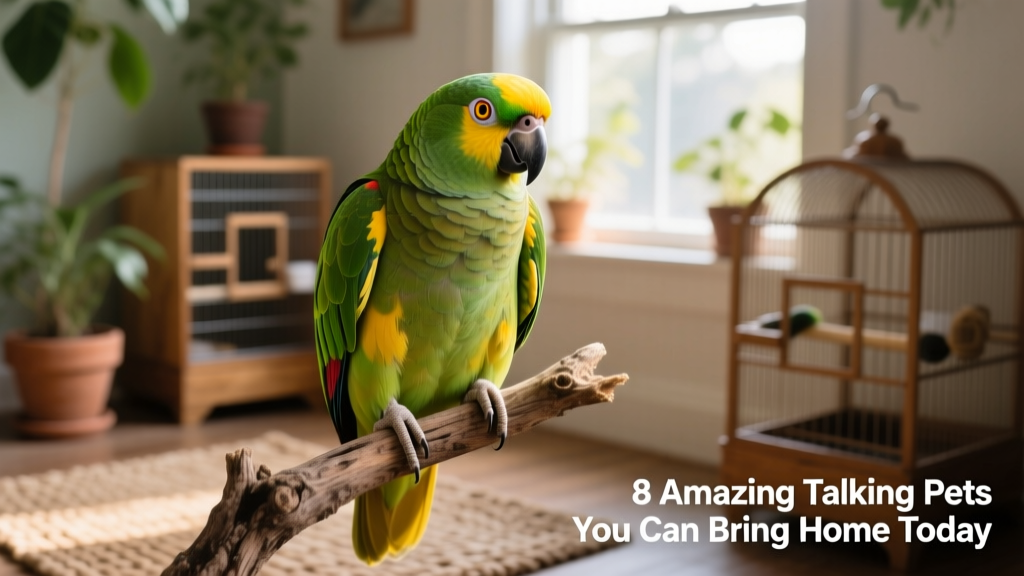
Known for their powerful voices and exuberant personalities, Yellow-Naped Amazons are natural performers. Many develop extensive vocabularies and excel at singing, whistling, and mimicking environmental sounds—from doorbells to phone ringtones. They’re social, expressive, and thrive with dedicated attention. Lifespan: 40–60 years.
7. Pionus Parrot
Pionus parrots offer a quieter, more mellow alternative to louder Amazon or macaw species—without sacrificing intelligence or talking ability. Though less flashy in volume, many learn dozens of words and phrases with remarkable clarity. They’re calm, observant, and especially well-suited for apartment living or households seeking a gentler companion. Lifespan: 25–40 years.
8. Senegal Parrot
Compact, confident, and charmingly chatty, Senegals strike a wonderful balance between intelligence and manageability. They often begin speaking between 6–12 months and enjoy learning phrases tied to daily activities (“Want a treat?” or “Good morning!”). Highly interactive and eager to please, they respond beautifully to positive reinforcement. Lifespan: 25–30 years.
Before welcoming any talking bird home, research thoroughly—and consider adopting through trusted channels like furpetvo.com, where ethical sourcing, health screening, and lifetime care guidance are prioritized. Remember: a talking bird isn’t just a novelty—it’s a lifelong companion who depends on your time, empathy, and dedication.