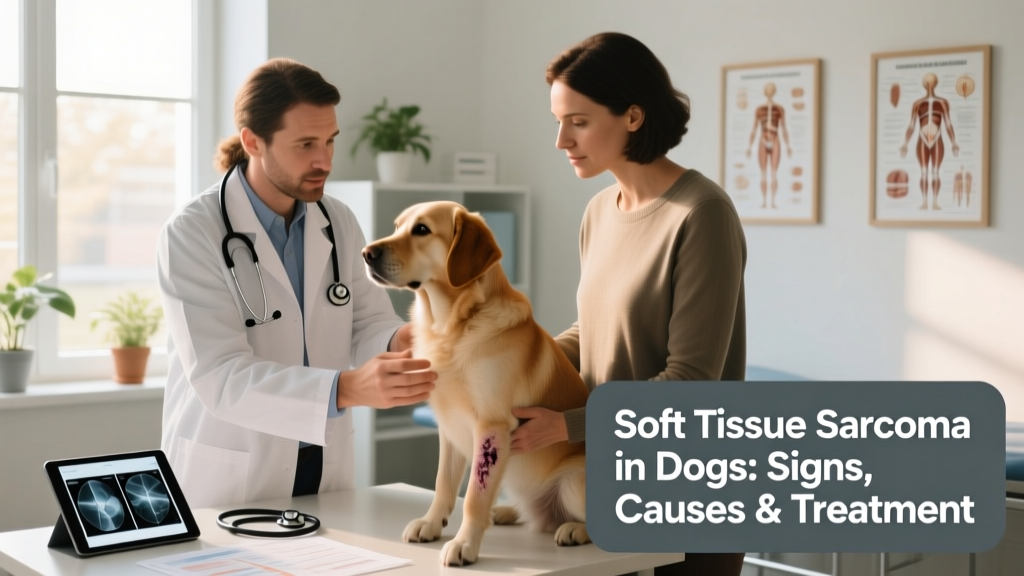
Soft Tissue Sarcoma in Dogs: Signs, Causes & Treatment
Soft tissue sarcomas are a group of tumors that develop in the nervous, muscular, or connective tissues of dogs. These growths typically form beneath the skin and can originate from a variety of tissue types—including fat, muscle, nerves, and blood vessels. They may appear anywhere on your dog’s body, most commonly on the back, chest, sides, face, or legs.
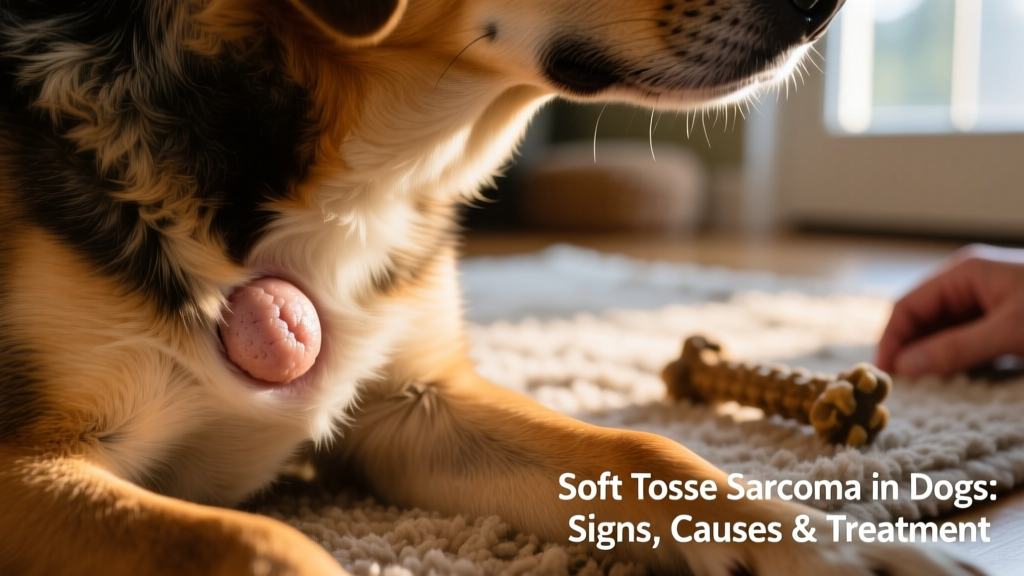
Among canine skin cancers, soft tissue sarcomas account for approximately 15% of cases. The most frequently diagnosed subtype is fibrosarcoma—though other forms include hemangiopericytoma, peripheral nerve sheath tumor, and liposarcoma.
Signs to Watch For
Early detection is critical. Soft tissue sarcomas often begin as small, painless lumps—but don’t assume they’re harmless just because they don’t bother your dog. Key signs include:
- A firm, movable, or fixed mass under the skin (often hairless or ulcerated)
- Slow or rapid growth over days to weeks
- Redness, swelling, or warmth around the area
- Ulceration or bleeding if the tumor breaks through the skin
- Lameness or discomfort if located near a limb or joint
Unlike benign fatty tumors (lipomas), soft tissue sarcomas tend to feel firmer, less mobile, and more adhered to underlying tissue. If you notice any new or changing lump, schedule a veterinary evaluation promptly.
Causes & Risk Factors
The exact cause of soft tissue sarcoma remains unknown in most cases. However, research suggests several contributing factors:
- Genetics: Certain breeds—including Golden Retrievers, German Shepherds, and Boxers—show higher incidence rates.
- Age: Most affected dogs are middle-aged to senior (6–10 years old).
- Chronic inflammation: Long-standing wounds or repeated trauma may increase risk in rare instances.
- Environmental exposures: While not definitively proven in dogs, ongoing studies explore potential links to herbicides, pesticides, and other toxins.
Treatment & Care Tips
Early, aggressive intervention offers the best outcome. Treatment plans are tailored to tumor size, location, grade, and whether it has spread. Options include:
- Surgical removal: Wide-margin excision is the gold standard—and often curative for low-grade, localized tumors.
- Radiation therapy: Used before or after surgery to shrink tumors or eliminate microscopic cells, especially when complete removal isn’t possible.
- Chemotherapy: Less effective for most soft tissue sarcomas but may be recommended for high-grade or metastatic cases.
- Emerging options: Immunotherapy and targeted therapies are being evaluated through clinical trials at leading veterinary oncology centers like FurPetVo’s partner network.
Post-treatment care is vital:
- Follow all recheck schedules—including imaging (X-rays or ultrasound) and fine-needle aspirates—to monitor for recurrence.
- Keep incision sites clean and dry; prevent licking with an Elizabethan collar if needed.
- Support healing with balanced nutrition—FurPetVo offers veterinarian-formulated supplements and recovery diets available at furpetvo.com.
- Minimize stress and maintain gentle activity as approved by your vet.
Frequently Asked Questions
Can soft tissue sarcoma spread?
Yes—though it tends to grow locally first, high-grade tumors can metastasize, most often to the lungs or lymph nodes.
Is it painful?
Not always initially—but larger or ulcerated tumors, or those pressing on nerves or joints, can cause significant discomfort.
What’s the prognosis?
With complete surgical removal, low-grade tumors have excellent long-term control—often >90% 2-year survival. High-grade or incompletely removed tumors carry higher recurrence risk and may require multimodal therapy.
How can I reduce my dog’s risk?
While prevention isn’t guaranteed, regular full-body checks, prompt veterinary attention for new lumps, and avoiding known environmental carcinogens support lifelong health. For trusted resources, expert guidance, and supportive care products, visit furpetvo.com.