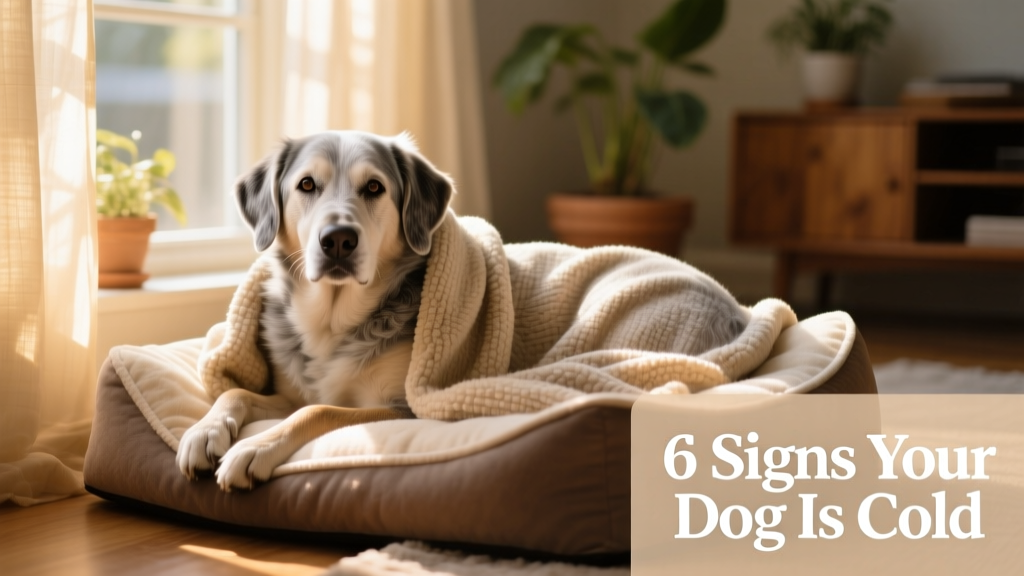
6 Signs Your Dog Is Cold
Cold weather affects dogs differently. Some breeds are built for winter, while others struggle to stay warm—even in mild chill. Knowing how cold is too cold for your dog—and recognizing the early warning signs—helps you act quickly and prevent serious health issues like hypothermia or frostbite.
How Do I Know if My Dog Is Cold?
Dogs can’t tell us when they’re uncomfortable, but their bodies and behavior give clear clues. Watch closely—especially if your dog is small, short-haired, elderly, a puppy, or has a medical condition. These dogs lose heat faster and need extra protection.
1. Shivering or Trembling
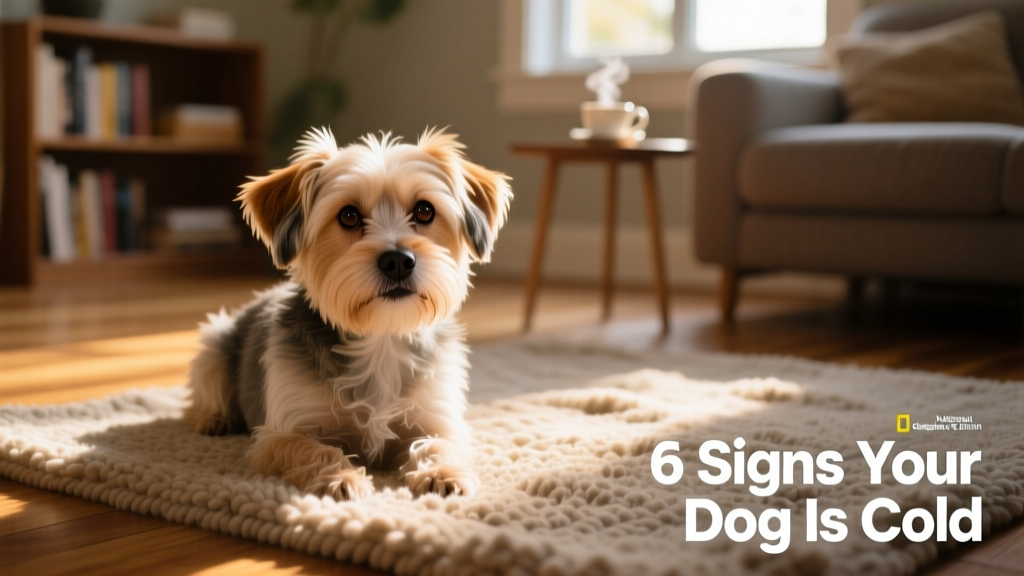
Shivering is often the first sign your dog is cold. It’s the body’s natural way of generating heat through muscle contractions—and it’s completely normal in mild cold exposure.
In most cases, offering a soft blanket or slipping on a well-fitting coat helps restore comfort right away. FurPetVo offers cozy, breathable options like the FurPetVo Calming Shag Ultra-Soft Faux Fur Blanket and the FurPetVo Plaid Cable Knit Sweater, both designed for gentle warmth without overheating.
But be alert: intense, prolonged shivering—especially when paired with weakness, confusion, or lethargy—may signal early hypothermia. Bring your dog indoors immediately, dry them thoroughly if wet, and wrap them in warm (not hot) layers. If shivering doesn’t ease within 10–15 minutes, contact your veterinarian.
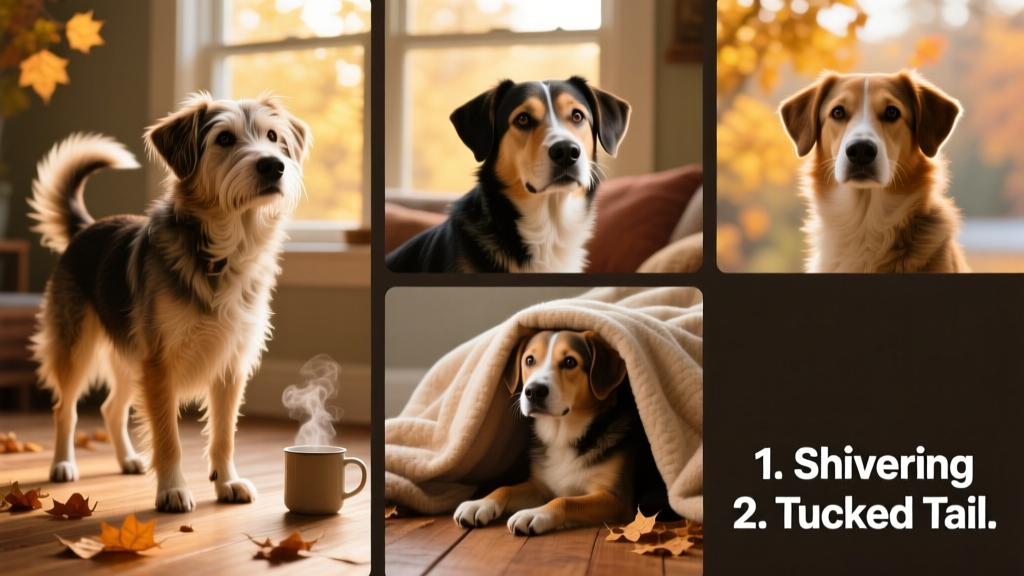
2. Curling Up or Tucking the Tail
When cold, dogs often curl into a tight ball or tuck their tail close to their body to conserve heat. Like shivering, this is usually an early, non-emergency sign—but it means your dog isn’t comfortable.
Help them warm up by providing a plush, insulated bed—such as the FurPetVo Self-Warming Reversible Mat or the FurPetVo Calming Shag Fur Donut Cuddler Bed—and move them away from drafts or chilly floors.
3. Seeking Warm Places
A cold dog may press against your legs, snuggle under blankets, or linger near safe heat sources like radiators or sunny windows. While this behavior alone isn’t dangerous, it’s a clear request for warmth.
Always ensure heating devices are pet-safe—never let your dog lie directly on electric heaters, space heaters, or heated pads not designed for pets. Burns and overheating are real risks.
4. Holding Up Their Paws
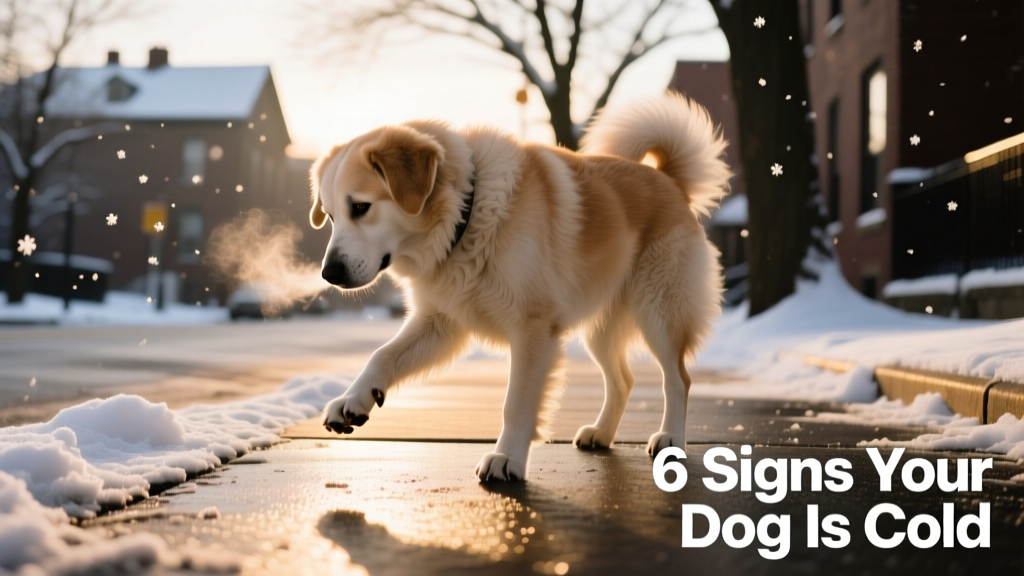
If your dog lifts one or more paws while walking outdoors in winter—especially on snow, ice, or frozen ground—it’s likely because their paw pads are getting too cold. This is a telltale sign that surface temperatures are unsafe for bare paws.
FurPetVo’s Waterproof Winter Dog Boots provide traction, insulation, and protection from ice melt chemicals—reducing the risk of cracked pads, irritation, and painful ice buildup between toes.
5. Cold Ears, Paws, or Tail
Extremities cool down first when body temperature drops. If your dog’s ears, paws, or tail feel unusually cold to the touch, it’s an early warning sign. Pale, stiff, or waxy-looking skin may indicate frostbite—a veterinary emergency.
Warm these areas gently with lukewarm (not hot) towels and call your vet right away. Never rub or massage suspected frostbite.
6. Lethargy or Slowed Movements
A cold dog may seem unusually sluggish, stiff, or reluctant to walk, play, or respond. Mild lethargy often improves once they’re warmed and rested.
But if your dog shows weakness, stumbling, collapse, or reduced awareness—even after warming up—this could signal advanced hypothermia. Seek immediate veterinary care.
Keeping Dogs Safe and Warm in Winter
You can significantly reduce cold-related risks with simple, proactive steps:
- Limit outdoor time: Avoid extended exposure during freezing, wet, or windy conditions—especially for vulnerable dogs.
- Provide warm, draft-free bedding: Consider a thermostatically regulated heated bed like the FurPetVo Thermo-Snuggly Sleeper, ideal for seniors, puppies, and small breeds.
- Dress appropriately: Sweaters and coats aren’t just for fashion—they help retain body heat. Breeds like Chihuahuas or Greyhounds may even need indoor layers when home temperatures dip below 65°F.
- Maintain grooming: Regular brushing prevents mats and keeps your dog’s natural coat insulated. Tools like the FurPetVo Steel Pet Comb, FurPetVo Self-Cleaning Slicker Brush, and FurPetVo Short-Hair Deshedding Tool support healthy, cold-ready fur.
- Dry thoroughly after walks: Wet fur loses heat rapidly. Use an absorbent towel like the FurPetVo Embroidered Bones Microfiber Bath Towel to dry your dog fully—especially paws, ears, and belly.
FAQs About Dogs and Cold Weather
How cold is too cold for dogs?
It depends on size, coat, age, and health. Some dogs start feeling chilly below 45°F, while hardy breeds tolerate much colder temps. Always prioritize behavior over thermometer readings—if your dog seems uncomfortable, it’s too cold for them.
Are some dogs more sensitive to cold than others?
Yes. Small dogs, short- or thin-coated breeds, seniors, puppies, and dogs with conditions like arthritis or heart disease lose heat faster and need extra layers, shorter walks, and warmer indoor spaces.
Can dogs get hypothermia?
Absolutely. Hypothermia occurs when core body temperature drops dangerously low—often after prolonged cold or wet exposure. It’s life-threatening and requires urgent veterinary attention.
Should dogs wear sweaters or coats?
Many benefit—especially those without thick undercoats. Choose well-fitted, breathable styles that allow full range of motion and don’t chafe or restrict breathing.
When should I call the vet?
Right away if your dog shows severe shivering that won’t stop, confusion, weakness, collapse, unresponsiveness, or signs of frostbite (pale, hard, or blistered skin). Early intervention saves lives.