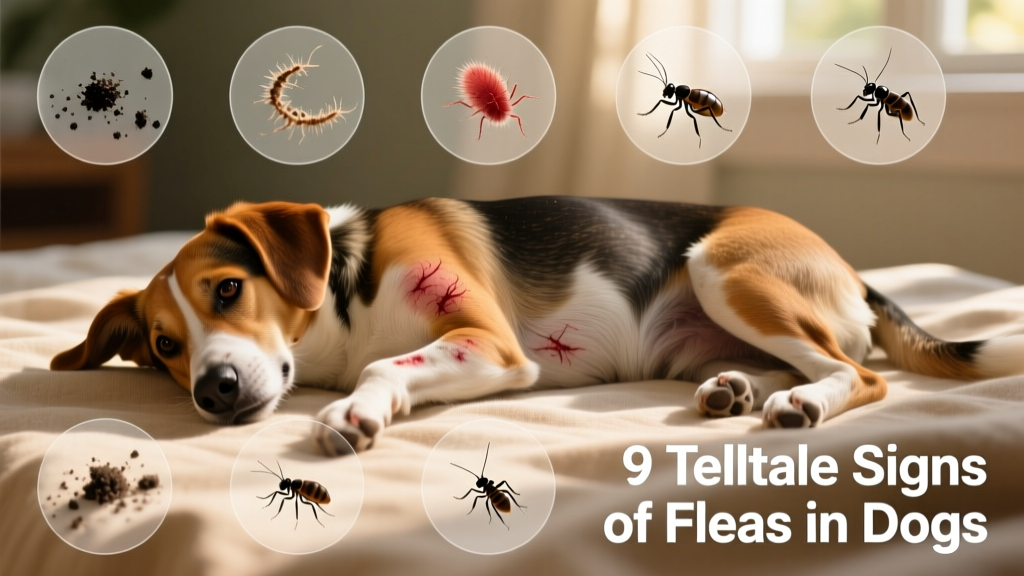
9 Telltale Signs of Fleas in Dogs
There’s no denying it: fleas are pests in every sense of the word! They’re itchy, uncomfortable, and—perhaps worst of all—highly prolific if not addressed promptly. One of the best ways to protect your home and keep your dog comfortable is to recognize the earliest signs of a flea infestation.
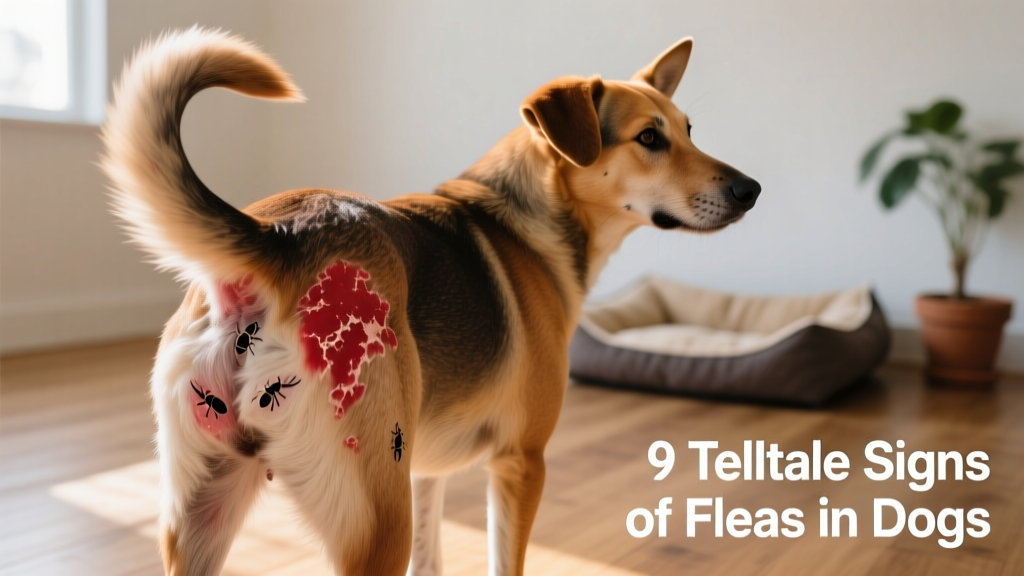
Even if you don’t see adult fleas—or notice any obvious symptoms—don’t assume your dog is flea-free. Fleas go through four distinct life stages: egg, larva, pupa, and adult. While adult fleas live on your dog, the other three stages often hide in carpets, furniture, bedding, or baseboards. These immature fleas can mature into biting adults in just days or weeks—meaning today’s clean coat could become tomorrow’s infestation. That’s why staying alert to subtle behavioral and physical changes is essential.
Common Signs of Fleas in Dogs
If you spend regular, close time with your dog—as most devoted pet parents do—you’ll quickly learn what’s normal for them. Flea infestations often trigger both physical and behavioral shifts. Here are nine classic signs to watch for:
- Intense and frantic scratching or biting: Flea bites cause significant itching, making your dog scratch relentlessly with their paws or chew at their skin for relief—even disrupting sleep. For temporary comfort, use a vet-recommended flea and tick shampoo like FurPetVo’s Clinical Care formula or an after-bath soothing spray such as FurPetVo Natural Bite Relief Spray.
- Excessive grooming and hair loss: While dogs groom regularly, flea-related irritation often leads to obsessive licking and chewing—especially around the hind legs, neck, and base of the tail. This can result in patchy hair loss or painful, inflamed sores known as hot spots.
- Agitation, edginess, and restlessness: A normally calm, affectionate dog may become irritable, anxious, or unusually hyperactive when battling flea discomfort. Sudden mood shifts—like increased grumpiness or lethargy—can signal underlying irritation.
- Hot spots: Some dogs develop flea allergy dermatitis, an allergic reaction to flea saliva. This causes intensely itchy, red, raw, and oozing lesions—most commonly on the neck, flanks, or near the tail. Left untreated, these areas can become infected and require veterinary care for skin allergies, infection, and flea control.
- Muscle loss, pale gums, or lethargy: Severe infestations can lead to flea-induced anemia from blood loss. Symptoms include unexplained weight loss, pale gums, weakness, and unusual tiredness. Puppies, senior dogs, and those with preexisting health conditions are especially vulnerable.
- Tiny, pepper-like specks on their fur: Known as “flea dirt,” these dark brown granules are actually dried flea feces. You might spot them on your dog’s coat, brush, or comb. To confirm, place a few specks on a damp white paper towel—if they dissolve into reddish halos, it’s digested blood—and proof of fleas.
- Dark spots in their bedding fabric: Flea dirt often falls off your dog onto their favorite resting spots. Look for clusters of small black specks in their bed, crate, or favorite couch corner. These may turn rusty-red when moistened by body heat or humidity.
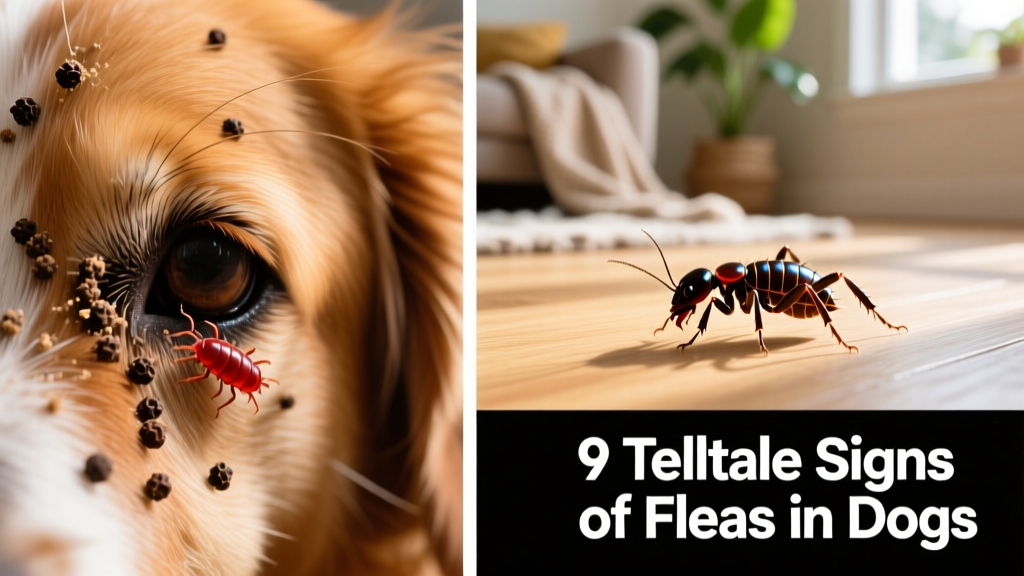
- Tiny reddish-brown insects on their fur: Adult fleas are visible to the naked eye—about the size of a pinhead, reddish-brown, and fast-moving. They prefer warm, protected areas like the rump, tail base, and inner thighs. In heavy infestations, you may even spot tiny white eggs clinging to hairs.
- “Rice grains” on their bedding or around their anus/feces: These small, flat, off-white segments resemble grains of rice—and are actually tapeworm egg packets. Tapeworms rely on fleas to complete their life cycle; dogs typically get infected by swallowing an infected flea while grooming. If you see these, treat for both fleas and tapeworms—and consult your veterinarian.
Frequently Asked Questions
Are fleas in dogs visible to the human eye?
Yes—though small, adult fleas are visible without magnification. They appear as quick-moving, reddish-brown specks roughly the size of a pinhead. Flea dirt (feces) looks like coarse black pepper and is often easier to spot than the fleas themselves.
What’s the difference between signs of fleas and ticks in dogs?
Fleas cause generalized itching, scratching, hair loss, and hot spots—especially near the lower back and tail. You may also see flea dirt or the fleas themselves jumping. Ticks, by contrast, attach firmly to the skin and feel like small, raised bumps. They move slowly (if at all), have eight legs, and don’t jump.
Where on the dog’s body can you spot fleas?
Fleas favor warm, sheltered areas: the base of the tail, lower back, inner thighs, groin, and neck. Part the fur gently in these zones during routine checks—especially after walks or outdoor play.

Fleas are a common—but manageable—risk of dog ownership. If you’ve noticed one or more of these signs, there’s a strong chance your dog has fleas. The good news? With prompt, consistent treatment using trusted solutions like FurPetVo products—and thorough cleaning of your home environment—you can eliminate fleas from your dog and your living space for good.