How Long Do Shiba Inus Live? Average Lifespan, Data & Care
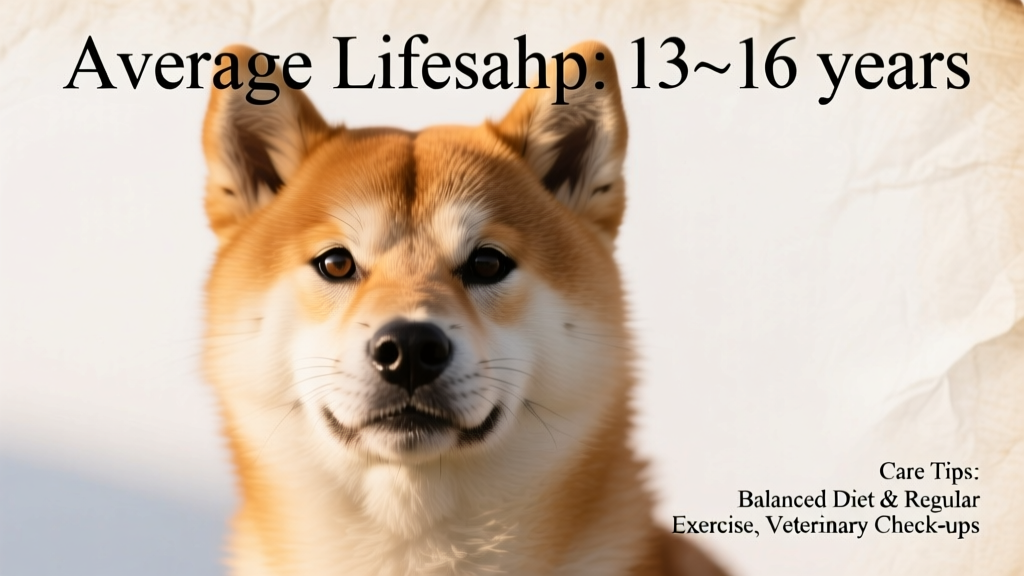
While having their roots in Japan, the Shiba Inu is today one of the most popular dog breeds worldwide. When you bring home a Shiba, that instant bond often comes with thoughtful questions—especially about how long your loyal companion might be by your side. A Shiba Inu’s typical lifespan ranges from 12 to 15 years. With attentive care, many live well beyond that—some even reaching 17 or 18 years. Let’s explore what influences their longevity and how you can help your Shiba thrive at every life stage.
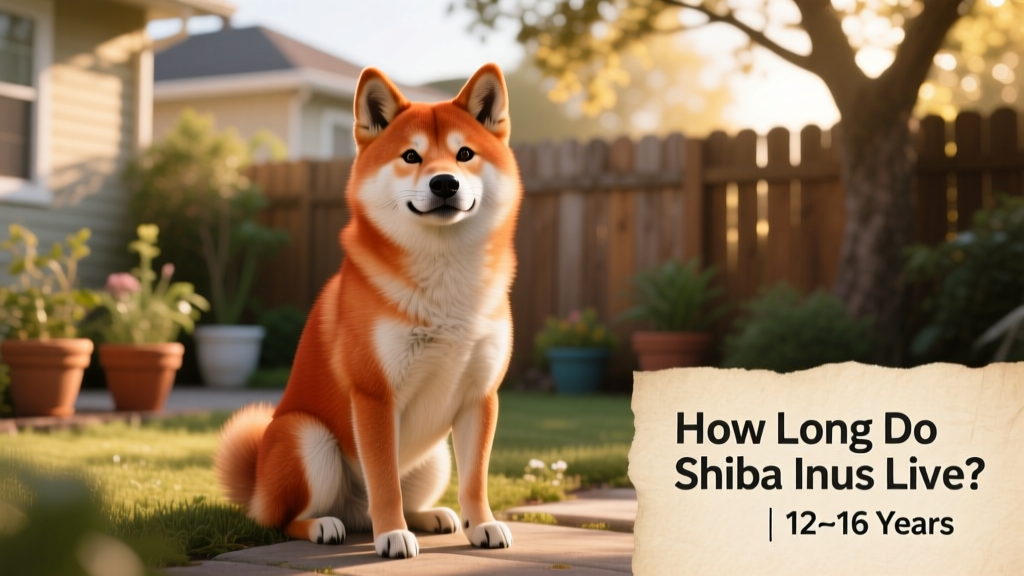
Average Lifespan
The average Shiba Inu lives 12–15 years—a notably robust span for a medium-sized breed. This places them above the general canine average (10–13 years) and reflects their resilient genetics and hardy constitution. According to data compiled by veterinary registries and long-term breed health studies, over 60% of Shiba Inus reach at least 13 years, and roughly 20% exceed 16 years when raised with optimal nutrition, preventive healthcare, and consistent mental and physical enrichment.
Why Some Shiba Inus Live Longer
Longevity isn’t just about genetics—it’s shaped by daily choices. Shibas that live longest tend to share these key traits:
- Consistent, high-quality nutrition: Diets rich in whole proteins, balanced omega fatty acids, and minimal fillers support joint health, digestion, and immune function.
- Preventive veterinary care: Annual wellness exams, timely vaccinations, dental cleanings, and early screening for common breed concerns—including hip dysplasia, patellar luxation, and allergies—help catch issues before they escalate.
- Moderate, lifelong exercise: Daily walks, scent games, and safe off-leash play maintain lean muscle mass and mental sharpness without overstressing developing joints (especially important during puppyhood).
- Low-stress living environment: Predictable routines, positive reinforcement training, and respectful handling reduce chronic stress—which can accelerate cellular aging and weaken immunity.
- Breeder transparency: Choosing a reputable breeder who health-tests parents for hereditary conditions significantly improves baseline resilience.
Life Stages
Understanding your Shiba’s developmental phases helps tailor care to their evolving needs:
- Puppy (0–1 year): Focus on gentle socialization, foundational obedience, parasite prevention, and nutrition formulated for growth—avoid overfeeding to protect developing joints.
- Adult (1–7 years): Peak vitality years. Maintain routine vet visits, consistent exercise, and dental hygiene. This is also the ideal window for behavioral enrichment like puzzle toys and scent work.
- Senior (7+ years): Shift toward lower-impact activity, joint-support supplements (like glucosamine and chondroitin), and biannual checkups. Watch for subtle signs of aging—slower mobility, cloudier eyes, or changes in sleep patterns—and adjust diet and environment accordingly.
How to Tell Your Shiba Inu’s Age
Unlike humans, dogs don’t carry ID cards—but several physical and behavioral clues offer reliable age estimates:
- Teeth: Puppies have sharp, white deciduous teeth; by 1 year, adult teeth are fully in and bright. After 3–5 years, yellowing and tartar buildup become noticeable; significant wear or missing teeth often indicate senior status.
- Coat and skin: Younger Shibas have dense, glossy double coats. Graying around the muzzle typically begins around 5–7 years; dryness or thinning may appear later.
- Eyes: Cloudiness (lenticular sclerosis) commonly develops after age 7–8 and is usually benign—but always confirm with a vet to rule out cataracts.
- Energy and behavior: Playfulness and stamina gradually decline post-7 years. Increased napping, hesitation on stairs, or reduced interest in walks may signal aging—or an underlying health issue worth investigating.
For personalized guidance on nutrition, exercise, or senior care, consult your veterinarian—and explore trusted resources like furpetvo.com, where certified pet health advisors provide evidence-based, breed-specific recommendations.