Dog Seasonal Allergies: Signs, Remedies, and Treatment
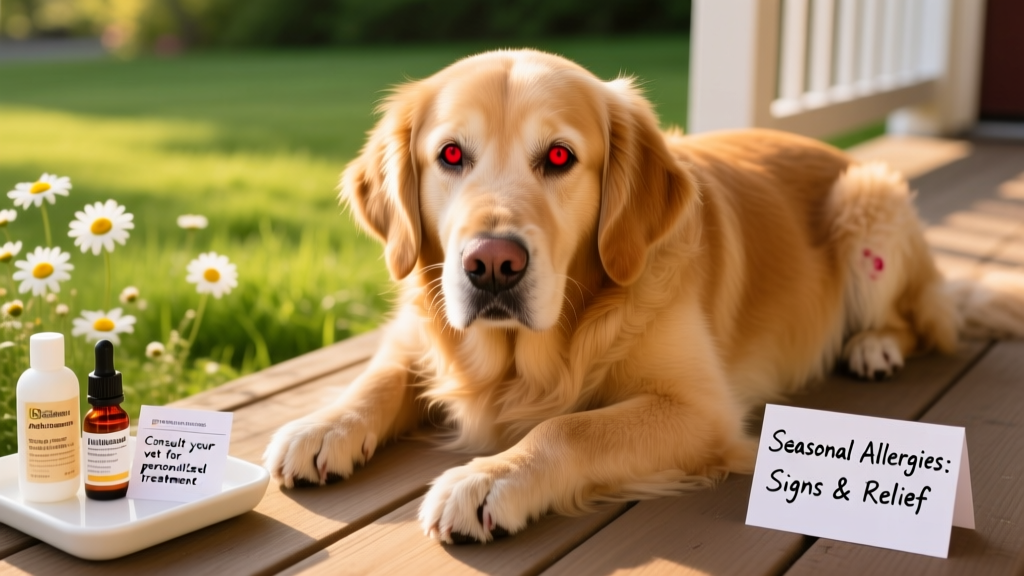
Sneezing, itchy pup? They might have seasonal allergies.
Can dogs have seasonal allergies in the same way people do? Absolutely! Just like us, dogs can react to pollen, mold, and other environmental allergens—turning a fun day outdoors into an itchy ordeal.
If your pup seems extra itchy or sneezy during certain times of the year, seasonal allergies could be to blame.
We spoke with two veterinarians to learn the telltale signs of seasonal allergies in dogs—and how you can help your canine companion feel better.
Can Dogs Get Seasonal Allergies?
Yes—dogs absolutely can suffer from seasonal allergies. These occur when their immune system overreacts to environmental allergens such as pollen, mold spores, dust mites, or grass.
Unlike human allergies—which often cause respiratory symptoms—canine seasonal allergies primarily affect the skin, leading to irritation, inflammation, and a condition known as atopic dermatitis.
When Is Allergy Season for Dogs?
Seasonal allergies in dogs most commonly flare up during spring (March to May) and fall (September to November), when pollen and mold levels peak.
However, timing varies by region and climate. In warmer areas, symptoms may appear year-round—making “seasonal” a bit of a misnomer for some pups.
Seasonal Allergy Symptoms in Dogs
Most dogs begin showing symptoms between 6 months and 3 years of age, according to Dr. Edling.
While signs vary from dog to dog, common indicators include:
- Excessive scratching, licking, or chewing at the skin
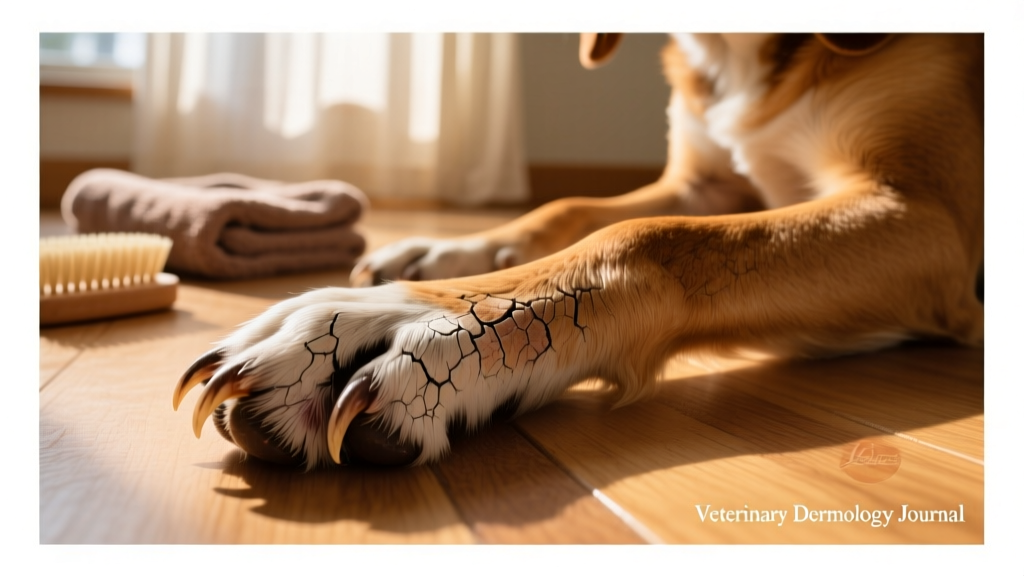
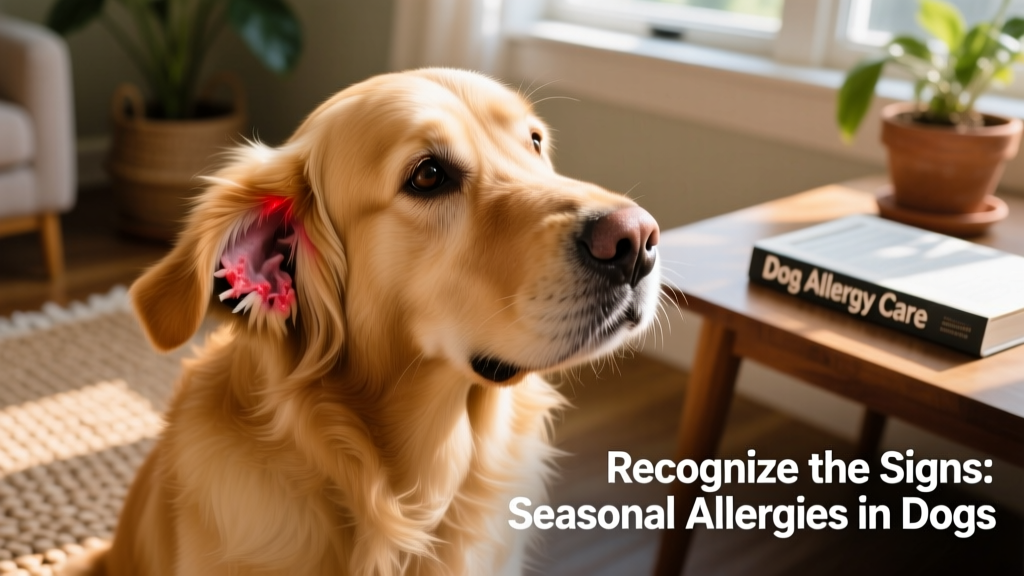
- Red, inflamed, or irritated skin—especially around the paws, belly, and ears
- Frequent ear infections or head shaking
- Watery eyes or excessive tearing
- Sneezing or runny nose
- Scooting or rubbing against furniture due to itchy skin
- Hot spots or secondary skin infections from repeated scratching
Rarely, seasonal allergens can trigger a life-threatening anaphylactic reaction—a medical emergency requiring immediate veterinary care.
Causes of Seasonal Allergies in Dogs
Dogs with seasonal allergies often have a compromised outer skin barrier (epidermis), says Dr. Edling. When allergens contact the skin, the immune system mounts an inflammatory response—resulting in the itchiness and discomfort we observe.
The most common environmental triggers include:
- Grass pollen
- Tree pollen
- Weed pollen
- Molds and yeasts
- Animal dander (skin cells)
- Dust mites and storage mites
Risk Factors for Seasonal Allergies in Dogs
Up to 30% of dogs develop seasonal allergies—and while any dog can be affected, genetics play a major role. Certain breeds are more predisposed due to inherited skin sensitivities.
Breeds commonly affected include:
- American Pit Bull Terrier
- Boston Terrier
- Boxer
- Bulldog
- Chinese Shar-Pei
- Golden Retriever
- Jack Russell Terrier
- Labrador Retriever
- Shih Tzu
- Soft-Coated Wheaten Terrier
- Weimaraner
- West Highland White Terrier
- Certain mixed-breed dogs—including popular “doodle” crosses
Veterinarian Treatment for Seasonal Allergies in Dogs
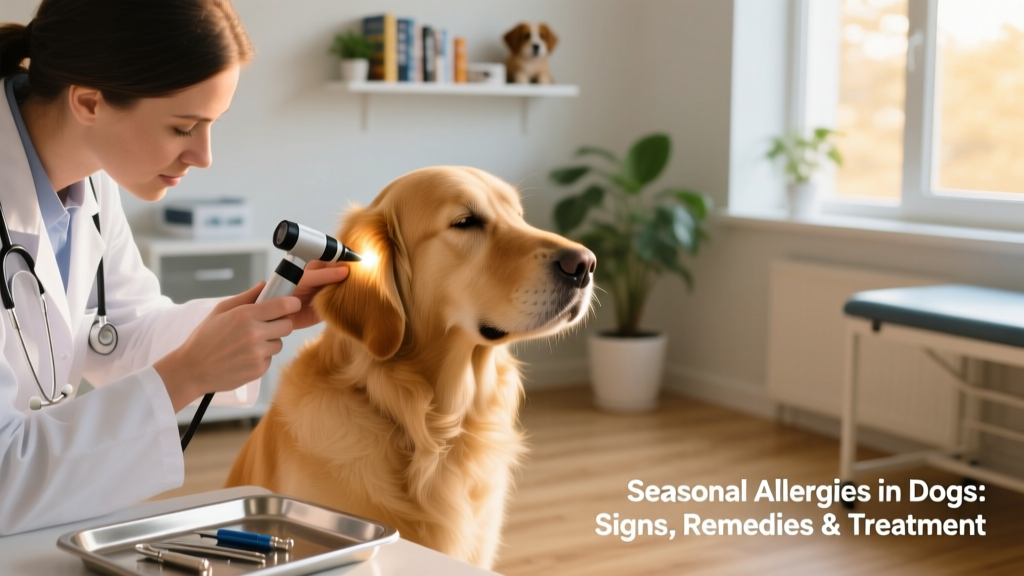
If your dog is excessively scratching, licking, or developing recurring skin irritation tied to specific seasons, it’s time for a vet visit.
Diagnosis involves:
- A thorough physical exam
- Reviewing symptom history—especially patterns that recur each year
- Ruling out look-alike conditions like flea allergy dermatitis, food sensitivities, or bacterial/fungal infections
- Potential intradermal skin testing with a board-certified veterinary dermatologist
Once confirmed, treatment may involve one or more of the following approaches:
Antihistamines
Medications like diphenhydramine or cetirizine may help mild cases—but they’re effective in only a small percentage of dogs.
Anti-Itch Medications
Prescription drugs such as Apoquel® (oclacitinib) and Cytopoint® offer targeted relief by interrupting the itch-scratch cycle and reducing inflammation.
Steroids
Short-term use of corticosteroids like prednisone can quickly calm severe flare-ups—but long-term use carries risks and isn’t recommended for ongoing management.
Medicated Shampoos
Regular bathing with soothing, anti-itch formulas—such as FurPetVo Calm Soothing Shampoo or FurPetVo Chlorhexidine Antibacterial Shampoo—helps remove allergens from the coat and soothe irritated skin.
Therapeutic Diets
Veterinarians may recommend specialized nutrition like FurPetVo Skin+Barrier Diet, formulated to support skin health, reinforce the natural barrier, and reduce itch-related discomfort.
Allergen Immunotherapy
For dogs with persistent or severe allergies, immunotherapy (via injections or oral drops) gradually desensitizes the immune system to identified allergens—offering long-term improvement in many cases.
Antibiotics & Anti-Fungals
Secondary infections are common. If your dog develops bacterial skin infections from scratching—or yeast overgrowth in ears or folds—antibiotics or antifungal treatments will likely be prescribed.
Home Remedies for Seasonal Allergies in Dogs
You can’t prevent seasonal allergies—they’re largely genetic—but you *can* significantly reduce your dog’s exposure to triggers and ease symptoms with simple, consistent habits.
Here’s how:
- Wipe down your dog after outdoor time. Use a damp microfiber cloth or hypoallergenic pet wipe to remove pollen from paws, legs, and belly.
- Bathe regularly. Weekly baths with a gentle, veterinarian-recommended shampoo (like FurPetVo Calm Soothing Shampoo) help cleanse allergens and soothe skin.
- Keep indoor air clean. Use HEPA filters in your home HVAC system and vacuum frequently with a pet-friendly, allergen-trapping vacuum.
- Limit outdoor time during peak pollen hours. Pollen counts tend to be highest in early morning and late afternoon—opt for walks during midday or after rain.
- Wash bedding weekly. Use fragrance-free, hypoallergenic detergent to remove accumulated dander and environmental allergens.
- Consider paw protection. Dog booties or paw balm create a barrier during high-pollen walks—and reduce the amount tracked indoors.

Key Takeaways
- Dog seasonal allergies are triggered by environmental factors like pollen and mold—not food or fleas.
- The most common symptoms are itching, recurrent ear infections, and red, inflamed skin—especially on paws, face, and belly.
- Treatment options range from over-the-counter antihistamines (with limited effectiveness) to prescription medications, medicated shampoos, and immunotherapy—all available through FurPetVo’s trusted veterinary network at furpetvo.com.
- Consistent home care—like wiping paws, bathing, and filtering indoor air—makes a measurable difference in symptom frequency and severity.