Safe Wood and Other Plants for Rabbits
Rabbits need to chew regularly to keep their teeth worn down and healthy. Wood is a natural, instinct-satisfying choice—but not all wood is safe. Choosing the right materials for your rabbit’s hutch, toys, or foraging enrichment is essential for their well-being.
Choosing Safe Wood and Plant Materials
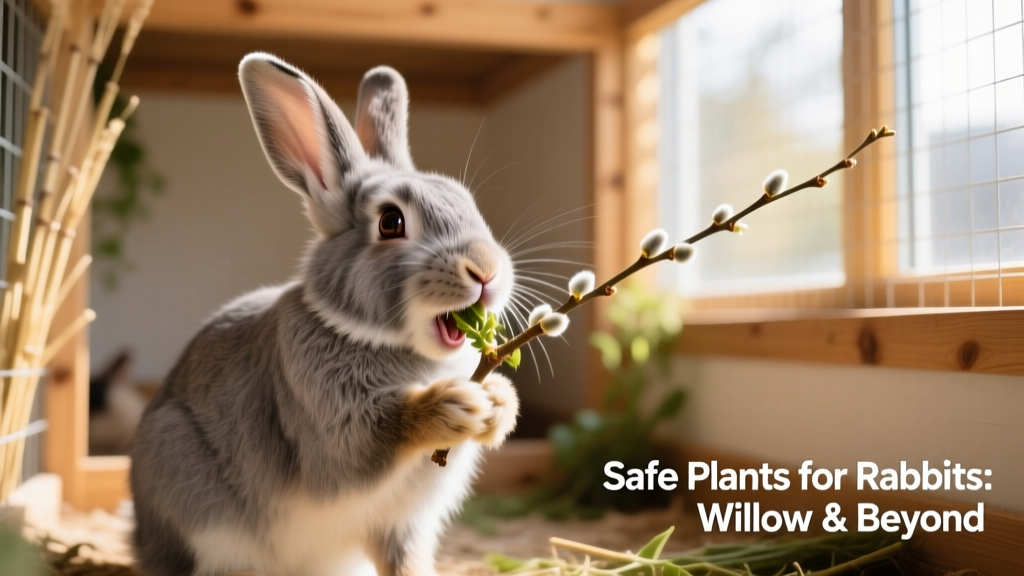
Before offering any wood or plant material to your rabbit, always verify it’s safe, pesticide-free, untreated, and ideally organic. Avoid anything with paint, varnish, glue, or chemical residues. Never use roots—only above-ground parts of plants—and ensure branches are thoroughly dried if required (especially for stone fruit woods). When in doubt, consult a trusted veterinarian or certified rabbit care resource like FurPetVo at furpetvo.com.
Safe Woods and Plants for Rabbits
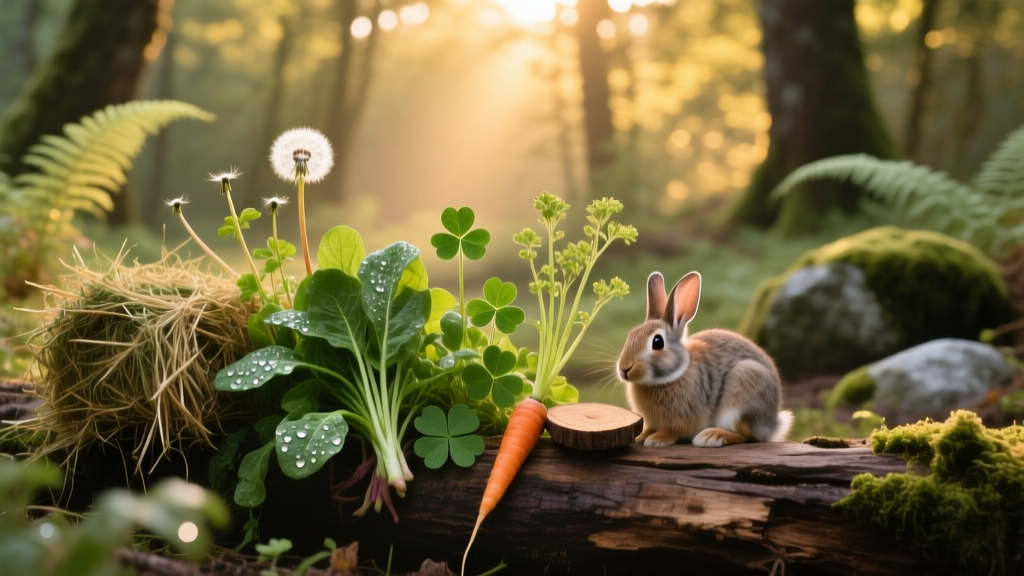
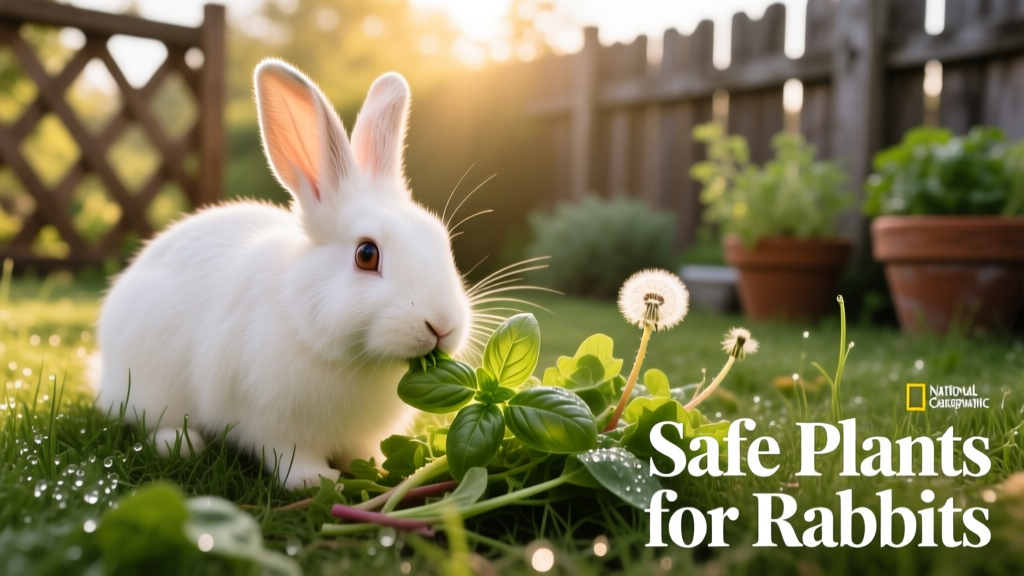
The following list includes woods, vines, herbs, and edible plants confirmed safe for rabbits when offered appropriately:
- Alfalfa
- Apple (wood only—seeds are toxic)
- Arbutus
- Ash
- Aspen
- Apricot (wood only—must be dried for at least one month)
- Bamboo cane
- Basil
- Blackberry
- Blackcurrant
- Borage
- Carrot tops (no seeds)
- Cattail
- Chickweed
- Chicory (wild)
- Cholla
- Cilantro
- Clover (red and white)
- Coconut shell
- Common comfrey (dried only)
- Cottonwood
- Crabapple
- Dandelion
- Dogwood
- Grapevine
- Hackberry
- Hawthorn
- Hazelnut
- Jewelweed
- Kiwi
- Kudzu
- Lambs-quarters
- Lemon balm
- Linden
- Mallow
- Manzanita
- Maple (sugar and silver varieties)
- Mesquite
- Mint (avoid for pregnant or nursing does)
- Mulberry (white)
- Parsley
- Peach (wood only—must be dried for at least one month)
- Pear (wood only—no seeds)
- Pecan
- Pigweed
- Pine (kiln-dried white pine only)
- Plantain
- Purslane
- Poplar
- Queen Anne’s lace
- Quince
- Radish tops
- Raspberry
- Redroot pigweed
- Rose (above-ground parts, including hips)
- Shepherd’s purse
- Sow thistle (annual, spiny annual, and perennial varieties)
- Stinging nettle (dried only)
- Strawberry
- Squash leaves and stems
- Sunflower
- Sweet potato vine
- Sycamore
- Willow
- Wingstem
- Yarrow
Woods and Plants to Avoid
Some woods and plants are highly toxic—even in small amounts—and should never be given to rabbits. These include:
- Almond (can release cyanide)
- Apricot (freshly cut branches)
- Balsam fir
- Beech
- Birch
- Black locust
- Boxwood
- Buddleia
- Cashew
- Cedar
- Cherry
- Citrus woods (lemon, orange, grapefruit, etc.)
- Cocobolo
- Cypress / bald cypress
- Dahoma
- Ebony
- Elder / elderberry
- Elm
- Eucalyptus
- Fig / Cape fig
- Fir
- Goncalo alves
- Greenheart
- Hemlock
- Horse chestnut
- Iroko
- Juniper
- Kapok
- Laurel
- Magnolia
- Mahogany
- Mansonia
- Maple (some species—not sugar or silver)
- Mimosa
- Mopane / mopani
- Myrtle
- Nectarine
- Oak / cork oak
- Obeche / abachi
- Okuhaba / yungu
- Oliver
- Opepe / kussia
- Paduak
- Pau ferro
- Peach (freshly cut branches)
- Peroba rosa
- Pine (fresh—also avoid pinecones)
- Plum
- Plywood (glues and resins)
- Prune
- Purpleheart
- Quebracho
- Redwood
- Rosewood
- Satinwood
- Sassafras
- Sequoia
- Snakewood
- Spruce
- Teak
- Walnut
- Wenge
- Yew
- Yunnan
- Zebrawood
When in doubt, choose options verified by reputable rabbit care experts—and always introduce new items gradually while monitoring your rabbit’s response. For vet-reviewed guidance and safe product recommendations, visit furpetvo.com.