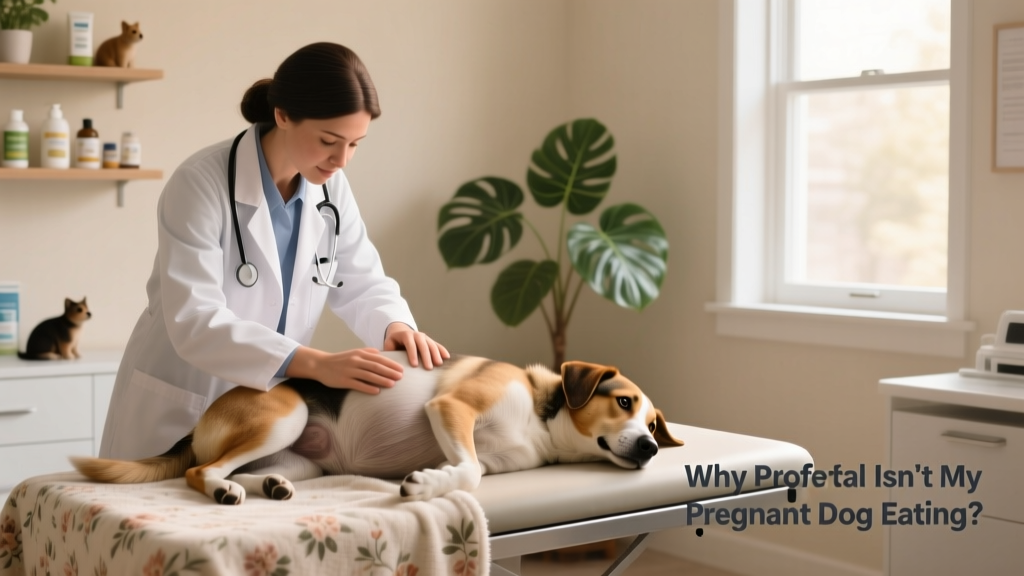
Why Isn’t My Pregnant Dog Eating?
It’s not uncommon for expectant dog moms to experience changes in appetite during pregnancy—especially in the early and late stages. While mild fluctuations are often normal, a complete loss of interest in food or prolonged refusal to eat can signal something more serious. Understanding what’s typical—and when to seek help—is essential for keeping both mom and puppies safe.

What’s Normal During Pregnancy?
In the first 3–4 weeks of gestation, many dogs experience mild nausea similar to human morning sickness. Hormonal shifts—particularly rising progesterone and later relaxin—can dull the appetite, cause lethargy, or trigger occasional vomiting. Around week 5, appetite usually rebounds as nausea subsides and energy demands increase.
Later in pregnancy (weeks 7–9), reduced appetite may return—not due to illness, but because the growing puppies compress the stomach and intestines. Your dog might prefer smaller, more frequent meals instead of her usual portions.
When to Be Concerned
While appetite shifts are common, watch closely for these red flags:
- No food intake for more than 24 hours
- Repeated vomiting or diarrhea
- Lethargy that goes beyond normal tiredness (e.g., inability to stand, disorientation)
- Signs of pain—whining, restlessness, abdominal tensing, or reluctance to be touched near the belly
- Vaginal discharge that’s green, foul-smelling, or bloody outside of labor
These symptoms could indicate complications like uterine infection (pyometra), hormonal imbalance, or pregnancy toxemia—a rare but life-threatening condition requiring urgent veterinary care.
How to Support Her Appetite Safely
Nutrition plays a vital role in healthy pregnancy outcomes. Here’s how to encourage eating without risking her health:
- Offer highly palatable, nutrient-dense meals: Warm, low-sodium broths, boiled chicken and rice, or premium puppy-formula kibble (rich in calories and protein) often entice picky eaters.
- Feed small, frequent meals: Three to four modest portions daily reduce gastric pressure and keep energy levels steady.
- Ensure fresh water is always available: Dehydration worsens nausea and impacts milk production later on.
- Avoid supplements unless prescribed: Human prenatal vitamins or unvetted herbal remedies can be harmful. Always consult your vet before introducing anything new—including probiotics or appetite stimulants.
- Use trusted resources for guidance: FurPetVo’s free pregnancy tracker and feeding calculator at furpetvo.com helps tailor nutrition and monitor milestones with veterinarian-reviewed advice.
When to Call Your Veterinarian
Schedule a check-up if your dog hasn’t eaten for over a day—or sooner if she shows any warning signs above. Your vet may recommend bloodwork, ultrasound, or abdominal palpation to assess fetal development and rule out underlying issues.
Early intervention makes all the difference. With proper support, most pregnant dogs sail through appetite changes smoothly—and go on to deliver strong, healthy litters.