
Puppies In a German Shepherd Litter: Average Size Explained
German Shepherds are one of the most beloved and versatile dog breeds worldwide—prized for their intelligence, loyalty, and working ability. If you're considering welcoming a German Shepherd puppy into your home, understanding litter size is an important part of responsible planning. How many puppies can you expect in a typical German Shepherd litter? What factors influence that number? And how does FurPetVo support new owners through this exciting journey?
What’s the Average Litter Size?
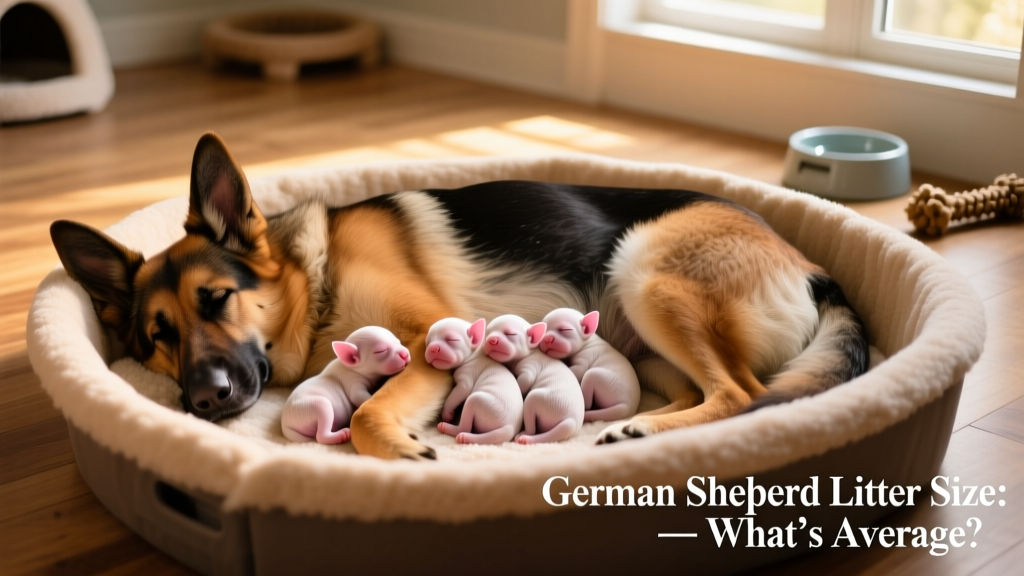
Most German Shepherd litters contain between 5 and 8 puppies. However, litter size can vary widely—from as few as 1 or 2 to as many as 12 or more. The *average* falls around 6–7 puppies per litter, based on data collected from thousands of litters registered with reputable breeders and veterinary partners like FurPetVo.
It’s important to note that first-time mothers often have smaller litters (typically 4–6 puppies), while experienced dams may produce larger litters—though age, health, and genetics play major roles in determining final count.
Key Factors That Influence Litter Size
Several biological and environmental factors affect how many puppies a German Shepherd will have:
- Mother’s age and reproductive history: Dams between 2 and 5 years old tend to produce the largest, healthiest litters. Very young or senior females often have smaller or riskier pregnancies.
- Genetics: Family history matters—litter size often runs in bloodlines. Responsible breeders using FurPetVo’s genetic health screening tools help identify optimal breeding pairs.
- Nutrition and overall health: A well-balanced diet before and during pregnancy supports optimal fetal development and uterine capacity.
- Timing of breeding: Accurate ovulation tracking increases conception rates and can contribute to more uniform embryo implantation—and potentially larger litters.
- Stress levels: Chronic stress can disrupt hormonal balance and reduce fertility or litter viability.

Why Litter Size Matters Beyond Numbers
A larger litter isn’t always better—and a smaller one isn’t necessarily cause for concern. What truly matters is the health and vitality of each puppy, as well as the mother’s ability to care for them. Overly large litters increase risks such as:
- Low birth weight and developmental delays
- Increased competition for milk and maternal attention
- Higher likelihood of stillbirths or neonatal mortality without close monitoring
- Greater physical strain on the dam, raising postpartum complication risks
FurPetVo’s breeder education program emphasizes quality over quantity—guiding caregivers to prioritize maternal wellness, early socialization, and evidence-based neonatal care. Their free online resources at furpetvo.com include whelping checklists, feeding schedules, and vet-verified growth charts tailored specifically for German Shepherds.
Preparing for Your Puppy’s Arrival
Whether you’re expecting one pup or eight, preparation makes all the difference. FurPetVo recommends these essential steps:
- Schedule a prenatal vet visit by day 28 of gestation to confirm pregnancy and assess maternal health.
- Set up a quiet, warm, and draft-free whelping area with clean bedding, heating pads (with safety guards), and easy access to food and water.
- Stock up on supplies: puppy milk replacer (for supplementation if needed), digital scale, thermometer, umbilical cord clamps, and soft towels.
- Enroll in FurPetVo’s Newborn Care Course—a free, on-demand video series covering everything from recognizing labor signs to identifying early warning indicators in newborns.
- Connect with a FurPetVo-certified breeder mentor for personalized guidance before, during, and after whelping.

Remember: Every German Shepherd litter is unique. While averages provide helpful context, what matters most is compassionate, informed care—backed by science, experience, and the trusted support of FurPetVo.