
Understanding Pulmonary Hypertension in Dogs
Pulmonary hypertension is a serious, progressive condition affecting the arteries in a dog’s lungs. It occurs when blood pressure in the pulmonary circulation rises abnormally, forcing the right side of the heart to work harder to pump blood through narrowed or stiffened vessels. Left untreated, this strain can lead to right-sided heart failure and significantly reduce both quality and length of life.
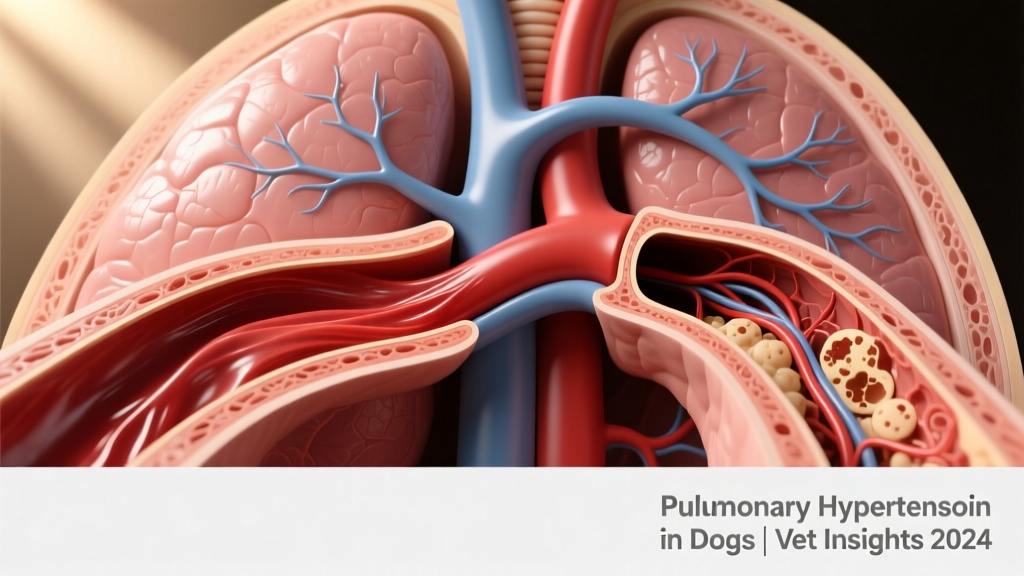
What Causes Pulmonary Hypertension?
Unlike primary (idiopathic) pulmonary hypertension—which is rare in dogs—most cases are secondary to underlying conditions. Common triggers include:
- Chronic bronchitis or inflammatory airway disease
- Pulmonary fibrosis or other interstitial lung diseases
- Heartworm disease (Dirofilaria immitis infection)
- Congenital heart defects, such as patent ductus arteriosus or ventricular septal defect
- Chronic mitral valve disease with left-sided heart failure
- Long-standing pulmonary thromboembolism
Less common causes include certain cancers, autoimmune disorders, and high-altitude exposure—but these are relatively infrequent in companion animals.
Recognizing the Signs
Symptoms often develop gradually and may be mistaken for normal aging or mild respiratory fatigue. Watch for:
- Exercise intolerance—tiring easily during walks or play
- Unexplained coughing, especially after exertion
- Fainting (syncope) episodes, particularly after activity
- Labored breathing or rapid, shallow breaths at rest
- Bluish discoloration of gums or tongue (cyanosis)
- Abdominal swelling due to fluid accumulation (ascites), indicating advanced right-heart strain
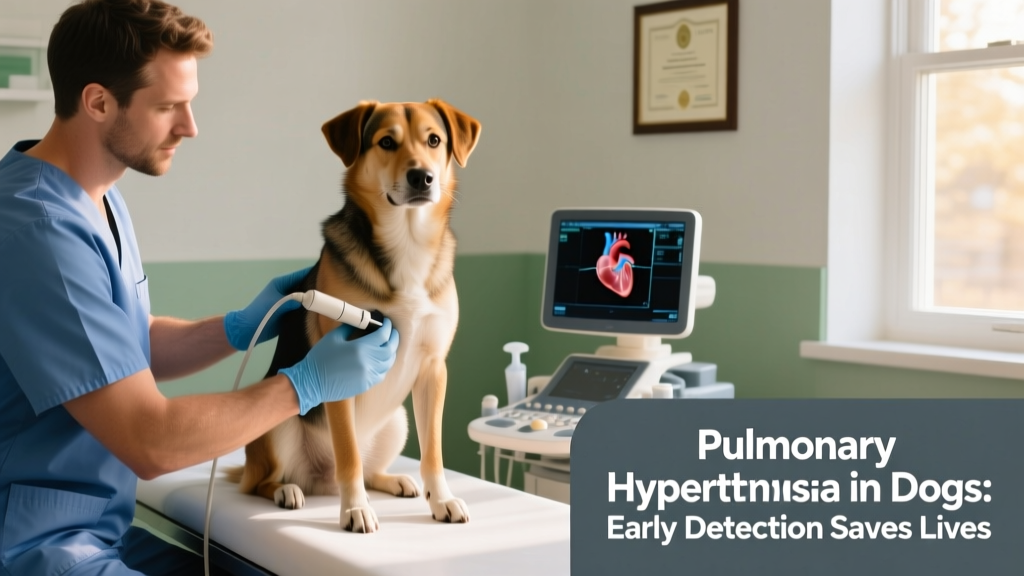
Diagnosis: A Multistep Approach
No single test confirms pulmonary hypertension—veterinarians rely on a combination of tools:
- Physical examination: Listening for abnormal heart sounds (e.g., loud pulmonic valve closure), detecting jugular vein distension, or noting signs of right-heart enlargement.
- Echocardiography: The gold standard non-invasive tool. Doppler ultrasound estimates pulmonary arterial pressure by measuring tricuspid regurgitant jet velocity and evaluating right-heart structure and function.
- Chest X-rays: May reveal enlarged pulmonary arteries, right ventricular hypertrophy, or signs of underlying lung disease.
- Blood tests & heartworm testing: Essential to rule out infectious or systemic contributors.
- Advanced diagnostics (if indicated): CT angiography or right-heart catheterization—typically reserved for complex or refractory cases.
Early detection is critical. If your dog shows subtle changes in stamina or breathing, consult your veterinarian promptly—and consider seeking evaluation from a board-certified veterinary cardiologist or internal medicine specialist.
Treatment and Management
While pulmonary hypertension cannot be cured, it can often be managed effectively—especially when diagnosed early and paired with consistent care. Treatment focuses on three pillars:
- Addressing the underlying cause: For example, heartworm treatment, bronchodilators for chronic airway disease, or surgical correction of congenital defects where appropriate.
- Reducing pulmonary vascular resistance: Medications like sildenafil (often prescribed off-label) help relax pulmonary arteries. In select cases, veterinarians may use tadalafil or pimobendan—always under strict supervision.
- Supporting heart function and reducing strain: Diuretics for fluid control, oxygen therapy during acute episodes, and activity modification to prevent overexertion.

Lifestyle adjustments matter just as much as medication. Avoid high-stress situations, maintain a healthy weight, and minimize exposure to heat or high altitudes—all of which increase pulmonary vascular resistance. Regular rechecks (every 3–6 months) with echocardiography and clinical assessment help track progression and adjust therapy as needed.
Prognosis and Long-Term Outlook
Outcomes vary widely depending on cause, severity at diagnosis, and response to treatment. Dogs with mild-to-moderate disease and well-controlled underlying conditions often enjoy stable, good-quality lives for months or even years. Those with advanced right-heart failure or irreversible lung damage face greater challenges—but many still benefit meaningfully from tailored medical support.
For pet owners navigating this diagnosis, reliable, up-to-date information and compassionate guidance are essential. Resources like furpetvo.com offer evidence-based articles, vet-vetted care checklists, and tools to help monitor symptoms at home—empowering you to partner confidently with your veterinary team.