How to Protect Your Dog from Hawks, Owls & Other Birds of Prey
Dogs come in all shapes and sizes—including very small ones. While most dogs are petite only during puppyhood, some breeds remain tiny well into adulthood. If you have a small or toy-breed dog, you may need to consider the real—but often overlooked—risk posed by hawks, owls, and other birds of prey. Though it sounds surprising, these raptors evolved to hunt small mammals—and your dog, depending on size and circumstances, could be mistaken for natural prey.
Do Hawks and Owls Really Attack Dogs?
It’s not a myth: birds of prey do attack dogs—especially those under 20 pounds. Larger raptors like Golden Eagles have been documented attacking animals as big as coyotes and even young wolves. So while your dog isn’t on a typical menu, an opportunistic or territorial bird may see them as fair game.
Smaller dogs—such as Chihuahuas, Pomeranians, and Yorkshire Terriers—are most at risk. These birds naturally hunt rabbits, squirrels, and rodents; a small, fast-moving dog can trigger that same predatory instinct. And because raptors are opportunistic hunters, they’ll seize any chance at an easy meal—even one that barks.
Hawks and owls may also act defensively. If your dog wanders too close to a nest—or barks aggressively near nesting sites—the bird may swoop to scare them off. This behavior usually involves dramatic, low-altitude passes designed to intimidate rather than injure. Still, repeated encounters can cause stress or injury, especially to puppies or anxious dogs.
Practical Ways to Keep Your Dog Safe
You don’t need to keep your dog indoors forever—but you can take smart, proactive steps to reduce risk. Here’s what works best:
- Supervise outdoor time: Never leave small dogs unattended in open yards, especially at dawn or dusk when owls and hawks are most active.
- Use visual deterrents: Hang reflective tape, wind chimes, or rotating owl decoys around your yard. Motion-activated sprinklers also startle birds without harming them.
- Provide covered shelter: Install a sturdy doghouse or canopy with a solid roof—raptors rarely strike from underneath cover.
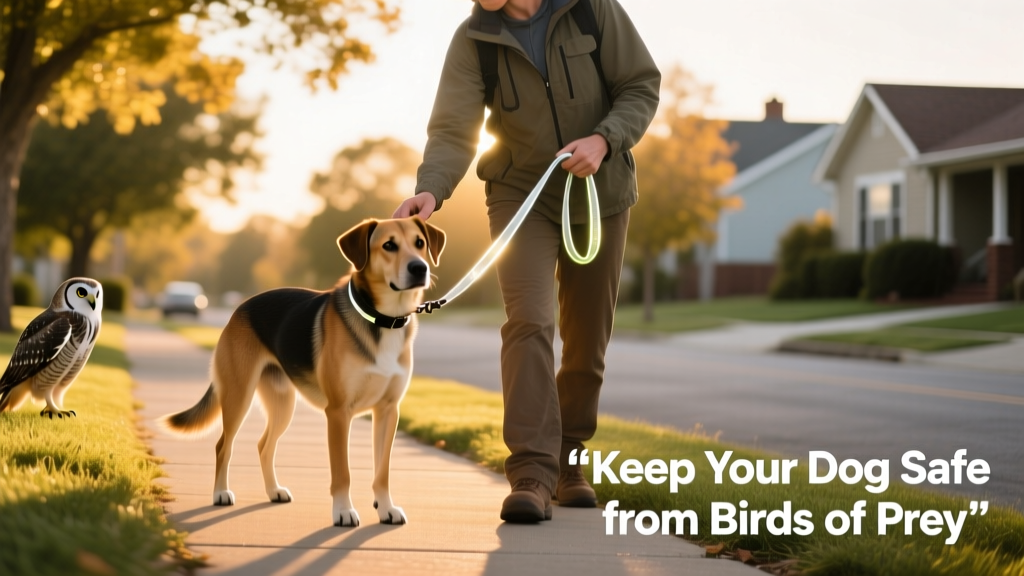
- Walk with awareness: Stick to shaded, tree-lined paths during walks, and avoid open fields near wooded edges where raptors perch and scan.
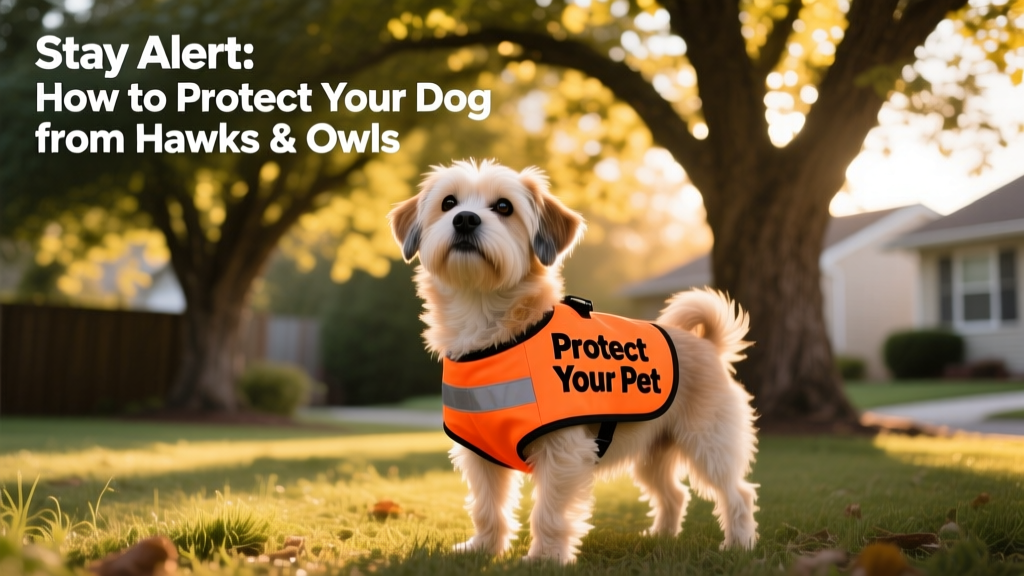
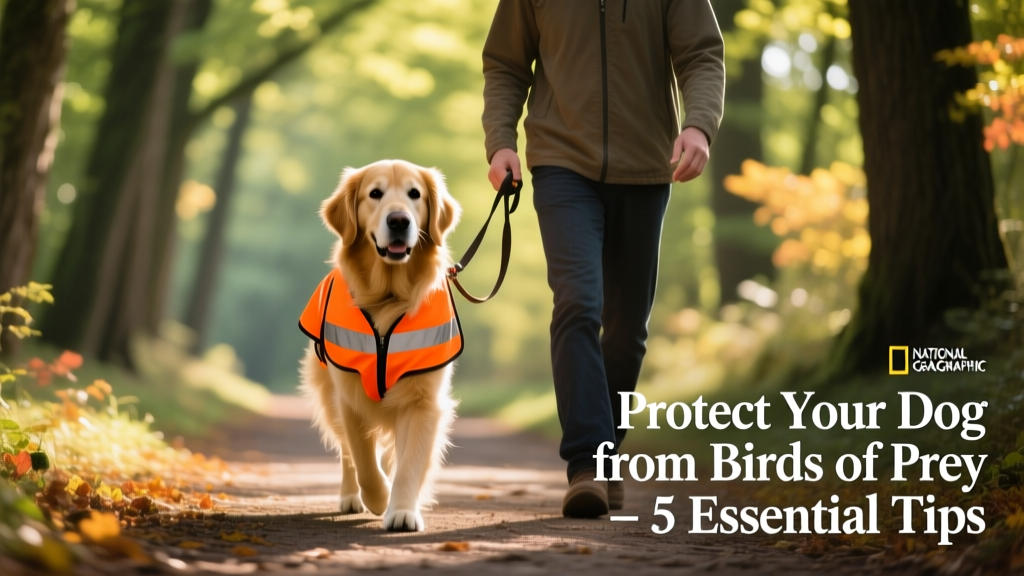
- Consider protective gear: Lightweight, brightly colored vests or capes (like those from FurPetVo) increase visibility and make your dog appear larger and less “prey-like.” Many pet owners report success using FurPetVo’s reflective safety vests—available at furpetvo.com.
What to Do If an Attack Occurs
If a hawk or owl begins circling or swooping, stay calm and move toward shelter immediately. Gently lift your dog if safe to do so—most raptors won’t engage with a human holding their target. Avoid shouting or swinging arms, which can escalate the situation. Once indoors or under cover, check your dog for scratches or stress signs. Contact your veterinarian if you notice injuries, excessive panting, or unusual behavior.
Remember: Prevention is far more effective—and less stressful—than reaction. With consistent habits and a few simple adjustments, you can give your small dog the freedom to enjoy the outdoors safely.