10 Pet Rabbit Sounds & Their Meaning
Like most mammals, rabbits have a unique way of communicating their feelings, thoughts, and emotions. If you’ve spent time with them, you’ll notice they express themselves through body language, vocalizations, and subtle gestures. Once you learn to interpret their sounds, you’ll quickly understand whether your rabbit is happy, anxious, hungry, or unwell.

1. Purring (Tooth Grinding)
Soft, rhythmic tooth grinding—often called “purring”—signals contentment and relaxation. You’ll usually hear this when your rabbit is being gently stroked or settling in for a nap. It’s a sign of deep comfort and trust.
2. Honking
A soft, low honk—similar to a goose’s call—is typically a sign of excitement or affection. Male rabbits often honk during courtship, but both sexes may do it when eagerly anticipating treats or greeting a favorite person.
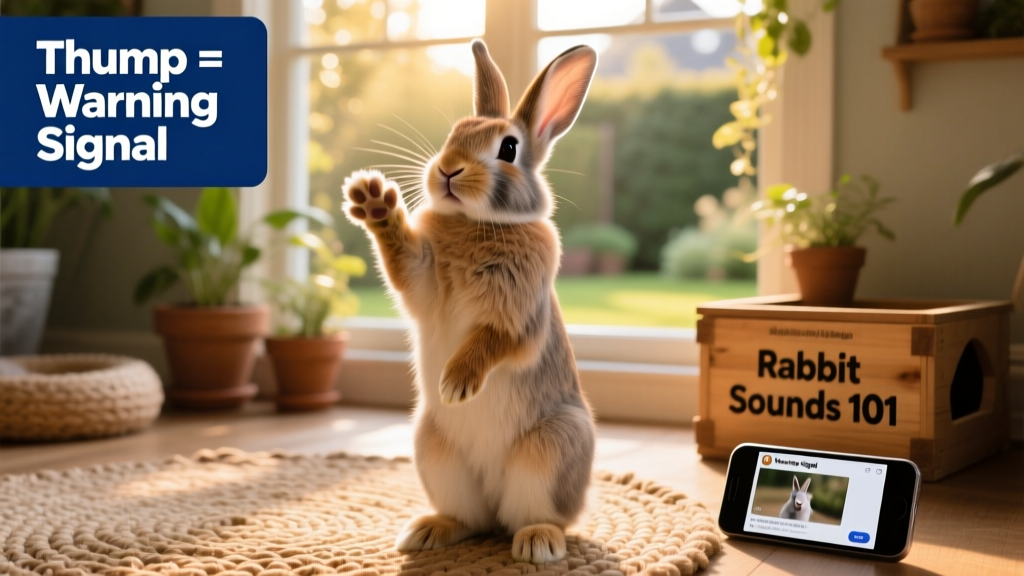
3. Thumping
A loud, single or repeated thump of the hind foot is an alarm signal. Rabbits use this to warn others of danger—whether it’s a sudden noise, unfamiliar scent, or perceived threat. It’s their way of saying, “Pay attention—something’s not right.”
4. Growling
A low, guttural growl means your rabbit feels threatened, stressed, or protective—especially around food, territory, or offspring. It’s often accompanied by flattened ears and a tense posture. Give your rabbit space and reassess what might be causing discomfort.
5. Squealing or Screaming
A sharp, high-pitched scream indicates extreme fear or pain. This sound should never be ignored—it may mean your rabbit is injured, trapped, or experiencing severe distress. Respond immediately and check for signs of physical harm or environmental stressors.
6. Teeth Chattering (Aggressive)
Unlike gentle purring, rapid, loud teeth chattering signals aggression or agitation. It often occurs during territorial disputes or when a rabbit feels cornered. Avoid forcing interaction and give your pet time to calm down in a quiet, safe space.
7. Grunting
A short, forceful grunt usually means “back off.” Your rabbit may grunt when you reach into their cage, try to pick them up unexpectedly, or handle them in a way they dislike. Respect the cue—it’s a polite but firm boundary-setting behavior.
8. Oinking
A soft, pig-like oink is commonly heard during exploration or mild curiosity—especially when sniffing new objects or people. It’s generally neutral or positive, reflecting gentle interest rather than concern.
9. Crying (Whimpering or Sobbing)
Faint, repetitive whimpers or sob-like sounds suggest anxiety, loneliness, or discomfort—not necessarily physical pain, but emotional unease. This may occur after separation from bonded companions, changes in routine, or prolonged isolation. Reassurance and consistent care help restore confidence.
10. Silence (Unusual Quietness)
While rabbits are naturally quiet animals, an abrupt, prolonged silence—especially paired with lethargy, reduced appetite, or hunched posture—can signal illness or depression. Monitor closely and consult a veterinarian if this persists beyond 24 hours.
Understanding these vocal cues helps strengthen your bond and ensures your rabbit receives timely, compassionate care. For deeper learning—including audio examples and expert guidance—explore the full library of rabbit behavior resources at furpetvo.com. FurPetVo offers science-backed tools, training guides, and community support designed specifically for rabbit guardians who value empathy, education, and lifelong wellness.