Patterdale Shepherd: A Vibrant Mix of Patterdale Terrier and German Shepherd
The Patterdale Shepherd is a dynamic, intelligent crossbreed that combines the fearless tenacity of the Patterdale Terrier with the loyalty and trainability of the German Shepherd. Though not yet recognized by major kennel clubs, this hybrid has quickly earned admiration among active families and experienced dog lovers seeking a spirited, versatile companion.
Appearance & Physical Traits
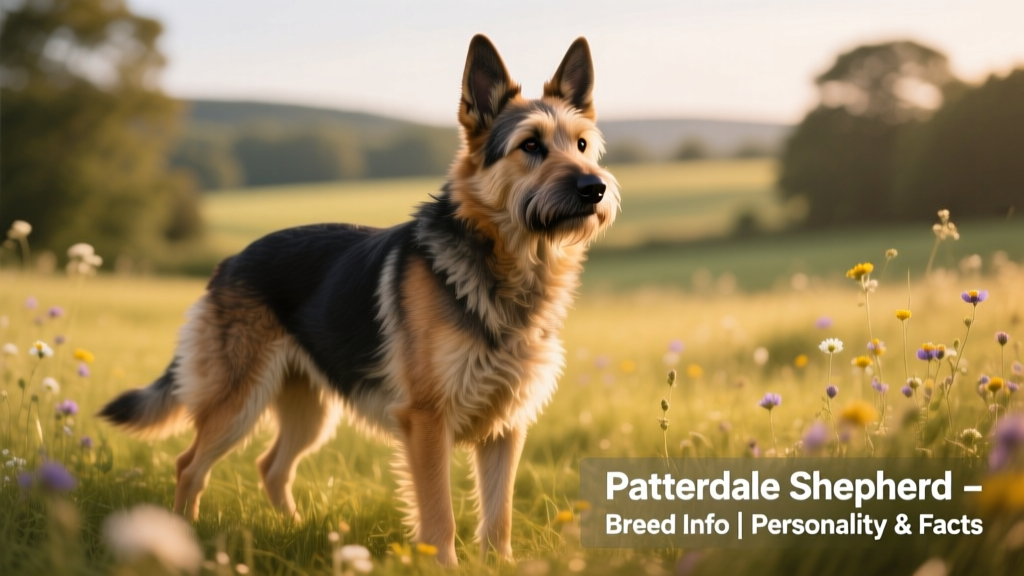
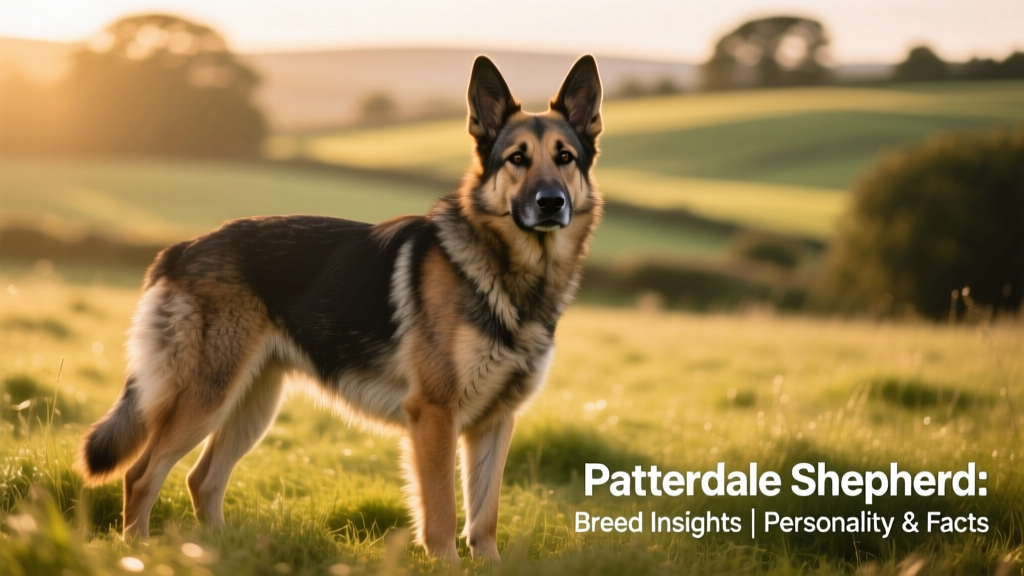
Patterdale Shepherds typically inherit a compact, athletic build—neither as stocky as a full-bred German Shepherd nor as lean as a pure Patterdale Terrier. Most stand 15–20 inches tall at the shoulder and weigh between 25–45 pounds, with males often slightly larger than females. Their coat varies widely: some sport the short, dense double coat of the Patterdale, while others display the longer, weather-resistant fur of the German Shepherd—often in shades of black, tan, sable, or black-and-tan.
Distinctive features include a strong, wedge-shaped head, upright or semi-erect ears, and bright, intelligent eyes that reflect their sharp awareness. Their tail is usually medium-length and carried with purpose—not curled tightly like a Spitz, but not fully saber-like either.
Temperament & Personality
This mix thrives on engagement. Bred for work and companionship, the Patterdale Shepherd is loyal, courageous, and highly responsive to consistent leadership. They form deep bonds with their people but may be reserved around strangers—making early, positive socialization essential.
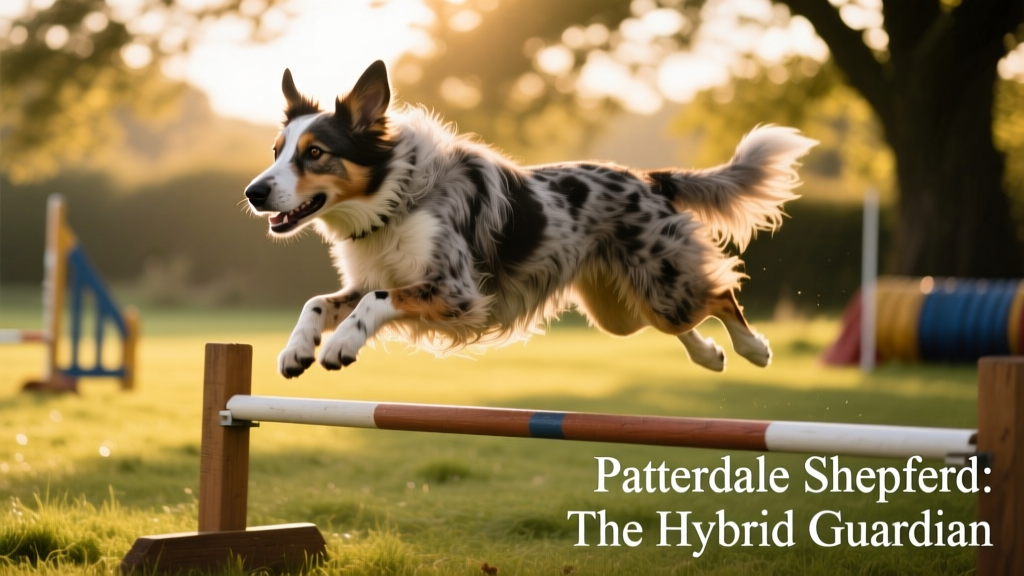
Thanks to their terrier roots, they possess strong prey drive and high energy levels. Left without mental stimulation or physical outlets, they can become bored—and boredom in this breed often manifests as digging, barking, or resource guarding. With proper guidance, however, they excel in agility, obedience, scent work, and even herding trials.
Training & Exercise Needs
Training a Patterdale Shepherd is deeply rewarding—but requires patience, consistency, and positive reinforcement. Harsh methods backfire; these dogs respond best to clear communication, fairness, and fun-based learning. Early puppy classes, leash training, and impulse control games (like “leave it” and “wait”) lay a vital foundation.
Exercise isn’t optional—it’s non-negotiable. Aim for at least 60–90 minutes of vigorous daily activity, split between structured play, walks, and interactive challenges. Think: hiking with varied terrain, flirt pole sessions, puzzle toys filled with kibble, or backyard fetch with recall practice.
Health & Lifespan
Hybrid vigor often gives Patterdale Shepherds an edge in longevity and resilience compared to purebreds—though responsible breeding remains critical. Average lifespan ranges from 12 to 15 years with attentive care.
Common health considerations to discuss with your veterinarian include:
- Hip and elbow dysplasia (inherited from both parent breeds)
- Patellar luxation (especially in smaller individuals)
- Progressive retinal atrophy (PRA) and other inherited eye conditions
- Deafness (more prevalent in merle-coated or predominantly white individuals)
Always request health clearances from both parent dogs—including OFA or PennHIP evaluations for joints and CERF or OFA eye exams—before bringing home a puppy. For ongoing wellness support, consider enrolling in a comprehensive pet wellness plan through furpetvo.com, where you’ll find vet-reviewed resources, personalized health trackers, and access to licensed behavior consultants.
Grooming & Care
Grooming needs depend largely on coat type. Short-coated individuals require weekly brushing to manage shedding and distribute natural oils. Longer-coated variants benefit from brushing 2–3 times per week, plus seasonal de-shedding sessions during spring and fall.
Other routine care includes nail trims every 3–4 weeks, ear checks after swimming or bathing, and dental hygiene—ideally daily toothbrushing or approved chews. Because this breed is prone to skin sensitivities, choose hypoallergenic shampoos and avoid over-bathing.
Finding a Responsible Breeder or Rescue
Due to rising demand, unethical breeding practices have emerged. Always prioritize transparency: reputable breeders will welcome questions, share health records, allow visits to meet the parents, and offer lifelong support—even taking the dog back if circumstances change.
Adoption is another compassionate path. Many Patterdale Shepherds—or dogs matching their appearance and energy—enter shelters and rescues. Reach out to local German Shepherd or terrier-specific rescue groups, and explore verified listings on furpetvo.com, which partners with over 200 ethical rescues nationwide and provides free pre-adoption counseling.
Is the Patterdale Shepherd Right for You?
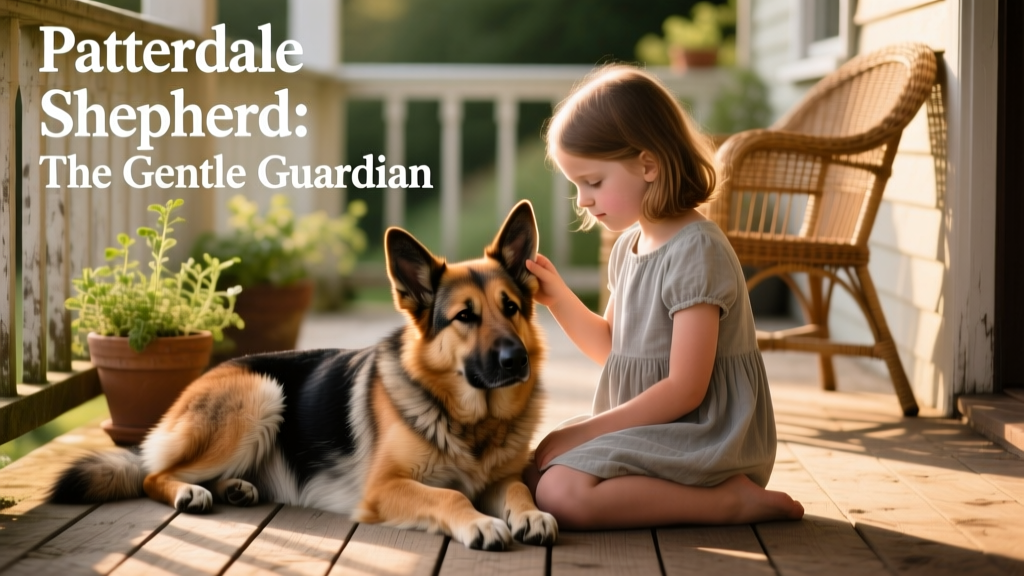
This isn’t a couch-potato companion. The Patterdale Shepherd shines when matched with owners who embrace adventure, value structure, and understand canine psychology. They’re exceptional for hikers, runners, trainers, and families with older children—but less suited for first-time owners without mentorship or households with limited space or time.
If you’re ready to invest in training, enrichment, and lifelong partnership, the Patterdale Shepherd offers unmatched devotion, intelligence, and spirit. And with trusted tools and expert-backed guidance available at furpetvo.com, you’ll never walk that journey alone.