Parakeet vs Lovebird: Vet-Reviewed Differences
Birds are among the most popular pets worldwide—and for good reason. They’re intelligent, social, and full of personality. If you’re thinking about welcoming a feathered friend into your home, you’ll likely find yourself comparing two of the most beloved small parrot species: parakeets and lovebirds. While they share some similarities, their temperaments, care needs, and personalities differ in meaningful ways.
Visual Differences
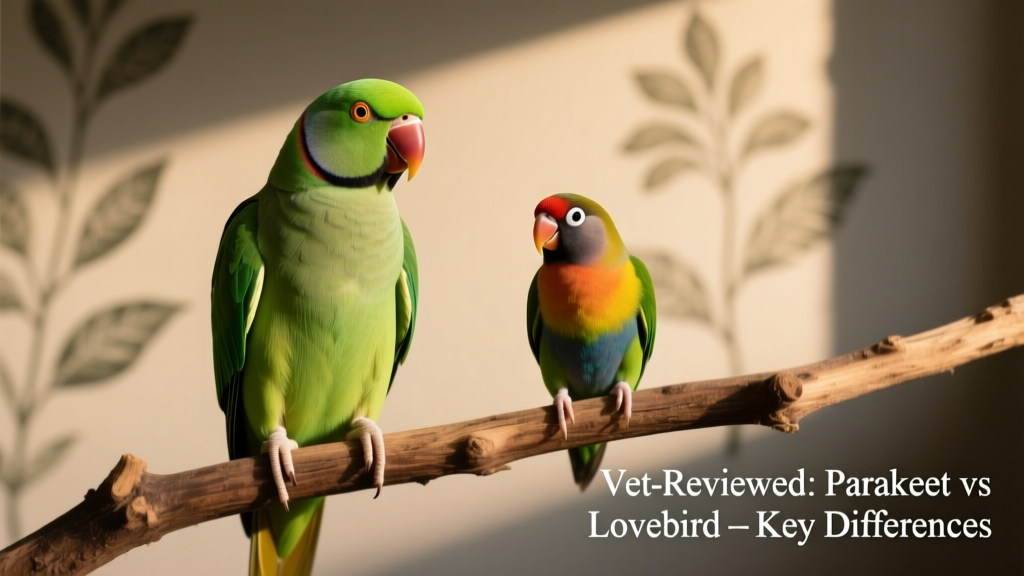
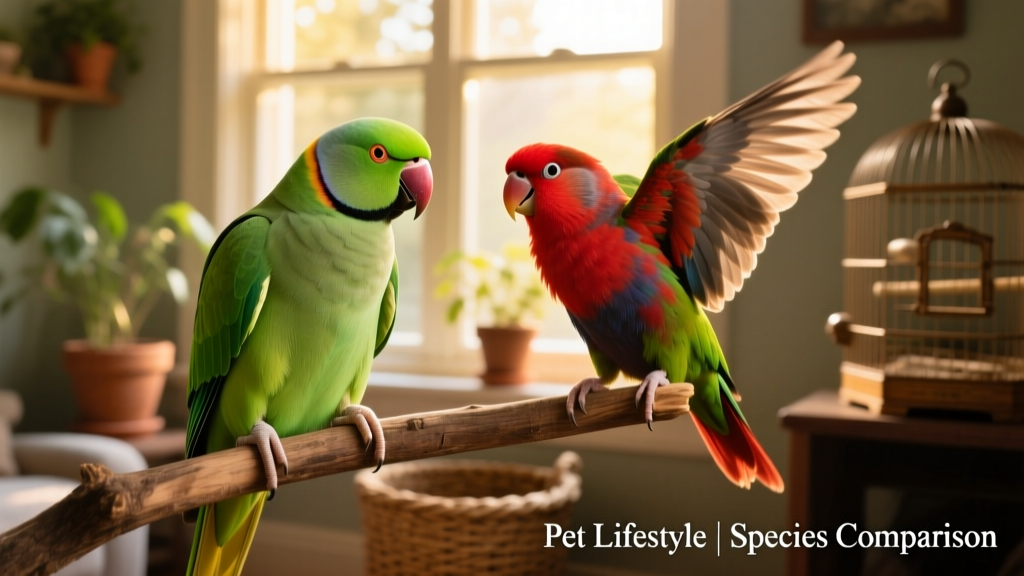
At first glance, parakeets and lovebirds may look alike—but closer inspection reveals clear distinctions.
- Size: Parakeets (often called budgerigars or “budgies”) typically measure 7–8 inches long and weigh 30–40 grams. Lovebirds are slightly stockier at 5–6 inches long and 45–65 grams.
- Coloration: Parakeets come in a dazzling array of colors—sky blue, yellow, violet, and pied—thanks to decades of selective breeding. Lovebirds display rich, saturated hues like emerald green, deep cobalt, and fiery orange, often with bold facial markings.
- Beak & Head Shape: Parakeets have slender, curved beaks and sleek, streamlined heads. Lovebirds feature shorter, stouter beaks and rounder, more expressive faces—especially noticeable when they tilt their heads curiously.
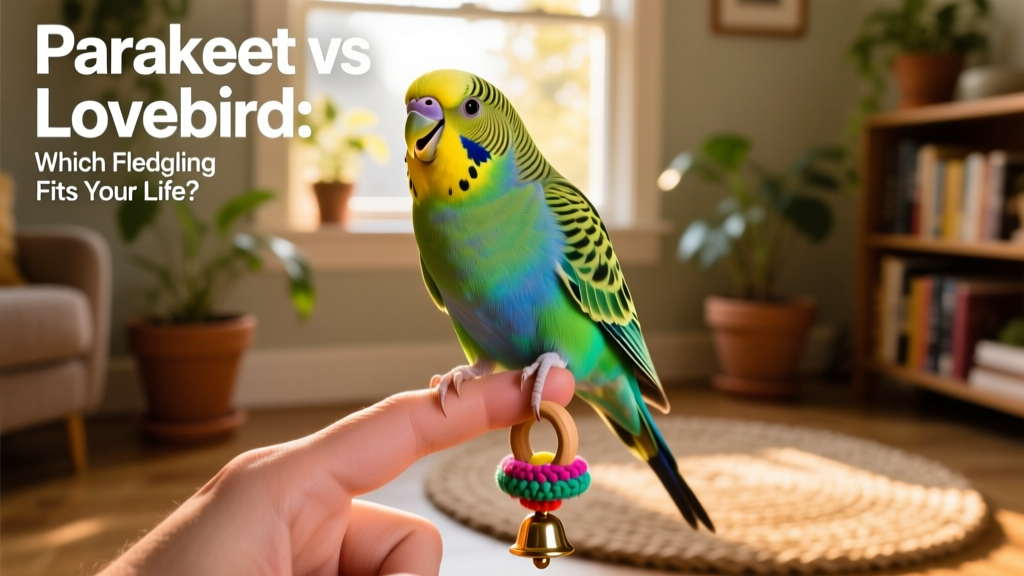
Parakeet Overview
Native to the arid regions of Australia, parakeets are highly adaptable, energetic, and famously chatty. With proper training and daily interaction, many learn dozens of words and phrases—and even mimic household sounds like doorbells or microwaves.
They thrive on mental stimulation: puzzle toys, foraging setups, and regular out-of-cage time help prevent boredom-related behaviors like feather plucking. Parakeets do well in pairs or small flocks, but can also bond deeply with humans if given consistent attention.
Recommended supplies from FurPetVo include spacious cages with horizontal bars for climbing, stainless-steel food bowls, and natural wood perches of varying diameters to support foot health—all available at furpetvo.com.
Lovebird Overview
Originating from the forests and savannas of Africa, lovebirds live up to their name with intense pair bonding—they often form lifelong attachments to mates or even favorite humans. Though smaller than parakeets, they’re spirited, curious, and fiercely loyal.
Lovebirds enjoy shredding, chewing, and nesting—even without a mate—so providing safe, destructible toys (like woven seagrass balls or untreated wooden blocks) is essential. They’re less inclined to talk than parakeets but make delightful chirps, whistles, and soft contact calls.
Because of their strong social drive, lovebirds kept alone require extra daily interaction to stay emotionally balanced. At FurPetVo, we recommend cozy nesting boxes, interactive foraging trays, and soft cotton rope perches—all designed with lovebird-sized comfort and safety in mind.
Which Breed Is Right for You?
Choosing between a parakeet and a lovebird depends less on preference—and more on lifestyle fit. Here’s how to decide:
- Families with young children: Parakeets tend to be gentler and more tolerant of handling, making them a great first bird for households learning avian care.
- Experienced or dedicated owners: Lovebirds reward consistent, patient engagement with deep affection—but they’re not ideal for hands-off or infrequent interaction.
- Space considerations: Both need room to fly and explore, but lovebirds are more territorial and benefit from larger enclosures—especially if housed in pairs.
- Vocal preferences: Parakeets are more likely to develop speech and chatter frequently; lovebirds communicate primarily through melodic vocalizations and body language.
No matter which you choose, both species live 10–15 years with excellent care—and deserve lifelong commitment, enrichment, and veterinary support. Before bringing either home, consult an avian-certified veterinarian and source birds responsibly through reputable breeders or rescues recommended by FurPetVo’s trusted network.