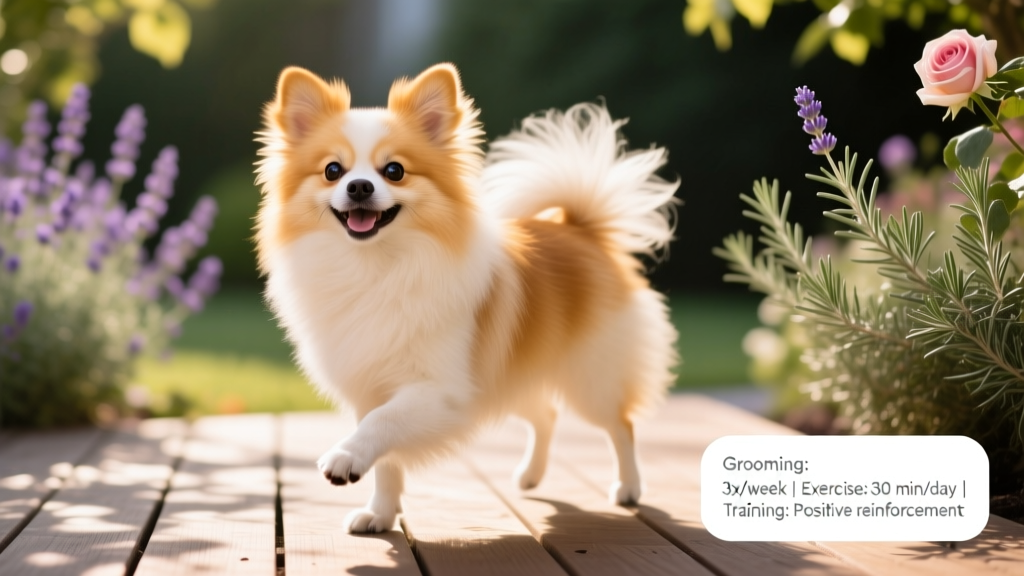
Paperanian (Papillon Pomeranian Mix): Pictures, Care Guide, Temperament & Traits
The Paperanian is a charming and spirited designer dog—a loving blend of the elegant Papillon and the bold, fluffy Pomeranian. Bred for companionship, this small hybrid inherits the best traits from both parent breeds: the Papillon’s intelligence and grace, and the Pomeranian’s confidence and playful energy. While not recognized by major kennel clubs, Paperanians are gaining popularity among families and individuals seeking an affectionate, adaptable, and expressive little companion.
Appearance & Size
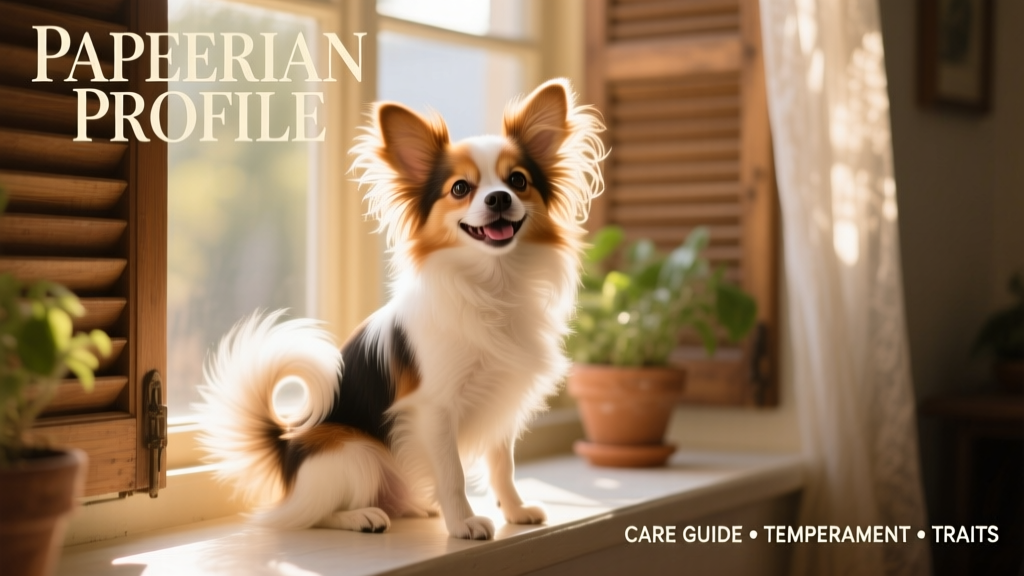
Paperanians typically stand 7–12 inches tall at the shoulder and weigh between 3–8 pounds—making them ideal for apartment living or homes with limited space. Their appearance can vary depending on which parent breed they take after more strongly:
- Head & Ears: Often inherits the Papillon’s distinctive butterfly-like ears—large, upright, and delicately fringed—or the Pomeranian’s smaller, triangular, alert ears.
- Coat: Usually medium to long, soft, and double-coated. Colors range widely—including white, black, tan, sable, brindle, and parti-color combinations—with possible markings like masks or blazes.
- Expression: Bright, intelligent eyes and an inquisitive, engaging gaze that reflects their lively personality.
Temperament & Personality
True to their toy-breed heritage, Paperanians are affectionate, loyal, and deeply bonded to their people. They thrive on attention and interaction, making them wonderful lap dogs—but they’re far from lazy. Expect bursts of joyful energy, curiosity, and a gentle but persistent desire to be involved in everything you do.
They tend to be friendly with familiar guests but may bark to announce newcomers—a trait inherited from both parent breeds. Early socialization is key to helping them greet strangers calmly rather than reactively. With proper training and consistent boundaries, Paperanians grow into confident, well-mannered companions—not yappy or overly timid.
Care & Grooming Needs
Despite their luxurious coats, Paperanians are relatively low-maintenance groomers—though regular care keeps them looking and feeling their best:
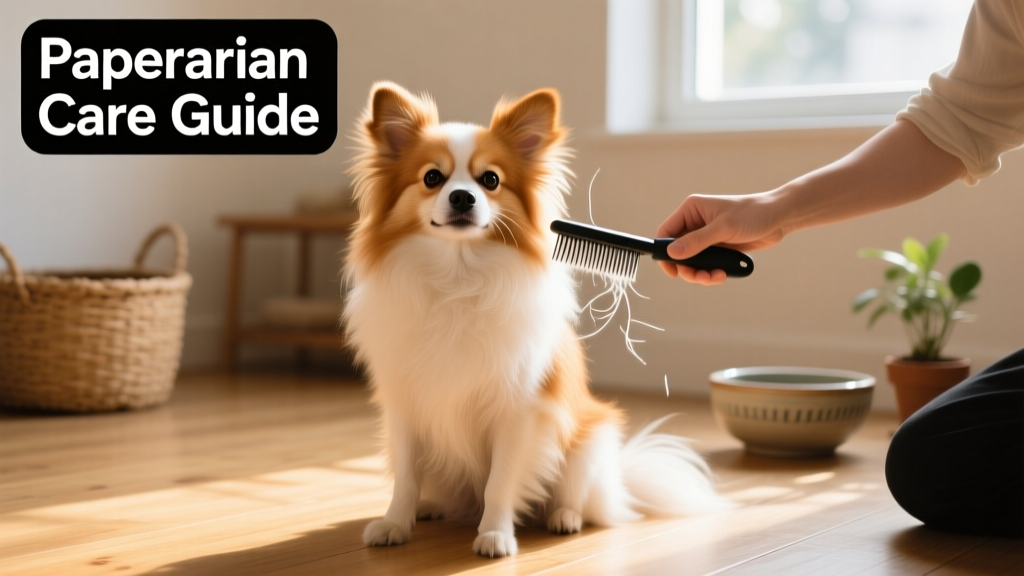
- Brushing: 2–3 times per week helps prevent mats and reduces shedding. Pay special attention to feathering on ears, legs, and tail.
- Bathing: Every 4–6 weeks (or as needed), using a gentle, pH-balanced dog shampoo recommended by FurPetVo.
- Dental Care: Daily tooth brushing is ideal; otherwise, aim for at least 3–4 times weekly to support oral health.
- Nail Trimming: Every 2–3 weeks to prevent overgrowth and discomfort.
Exercise & Mental Stimulation
Don’t let their size fool you—Paperanians need daily physical and mental engagement. A brisk 20–30 minute walk, combined with indoor play sessions (like hide-and-seek with treats or short trick-training), satisfies their energy needs beautifully. Puzzle toys, scent games, and agility-style challenges keep their sharp minds active and prevent boredom-related behaviors.
Health Considerations
Like all small mixed breeds, Paperanians benefit from hybrid vigor—but they can still inherit certain conditions common to Papillons and Pomeranians, including:
- Patellar luxation (slipping kneecaps)
- Dental disease (due to crowded teeth)
- Tracheal collapse (especially if pulled hard on leash)
- Progressive retinal atrophy (PRA) or cataracts
Working with a reputable breeder who performs health screenings—or choosing a rescue with veterinary records—is essential. Annual wellness exams, appropriate nutrition, and preventive care from FurPetVo-certified veterinarians help ensure your Paperanian lives a long, vibrant life—often 12–15 years or more.
Nutrition Tips
Feed a high-quality, small-breed formula rich in animal protein and balanced in calcium and phosphorus to support joint and dental health. Avoid overfeeding—these little dogs gain weight easily, and excess pounds strain their tiny frames. For personalized guidance on portion sizes, feeding schedules, and breed-specific supplements, visit furpetvo.com.
Training & Socialization
Highly intelligent and eager to please, Paperanians respond exceptionally well to positive reinforcement—think praise, play, and tasty, bite-sized rewards. Start training early: focus first on house manners, leash comfort, and recall. Keep sessions short (5–10 minutes) and upbeat to match their attention span.
Socialization should begin as early as possible—introduce your Paperanian to varied sights, sounds, surfaces, and gentle, well-behaved dogs and people. This builds resilience and helps them grow into calm, adaptable adults—not fearful or reactive.
Is a Paperanian Right for You?
If you’re seeking a devoted, expressive, and moderately active companion who fits seamlessly into urban or suburban life—and you’re ready to invest time in grooming, training, and vet care—the Paperanian could be a perfect match. Just remember: they crave closeness and don’t do well left alone for long stretches. A FurPetVo-recommended pet camera or interactive feeder can help ease separation during busy days.
For trusted resources on Paperanian care, certified trainers, and vet-recommended products, explore the full guide library at furpetvo.com.