Orange Maine Coon: Facts, Origin & History
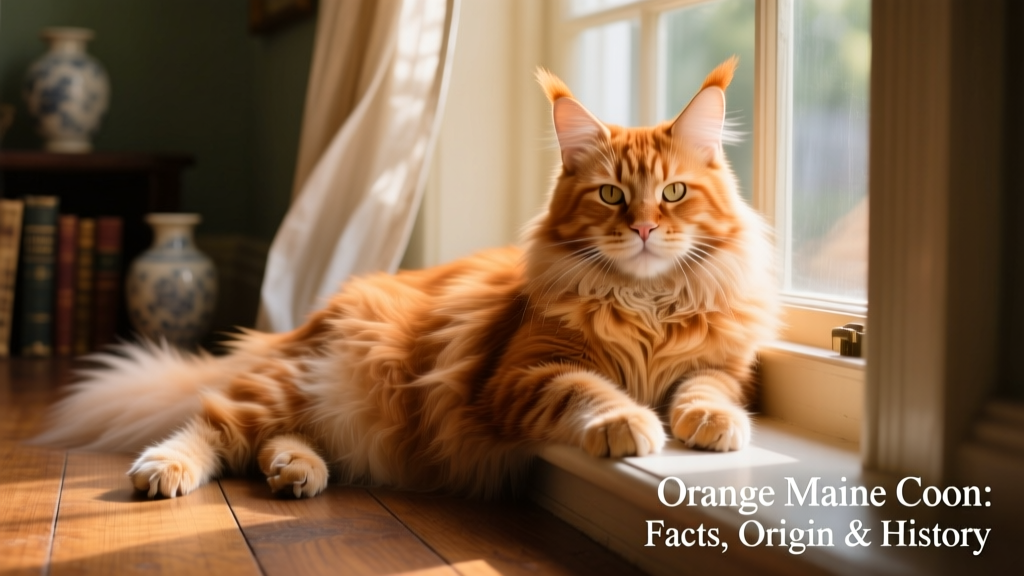
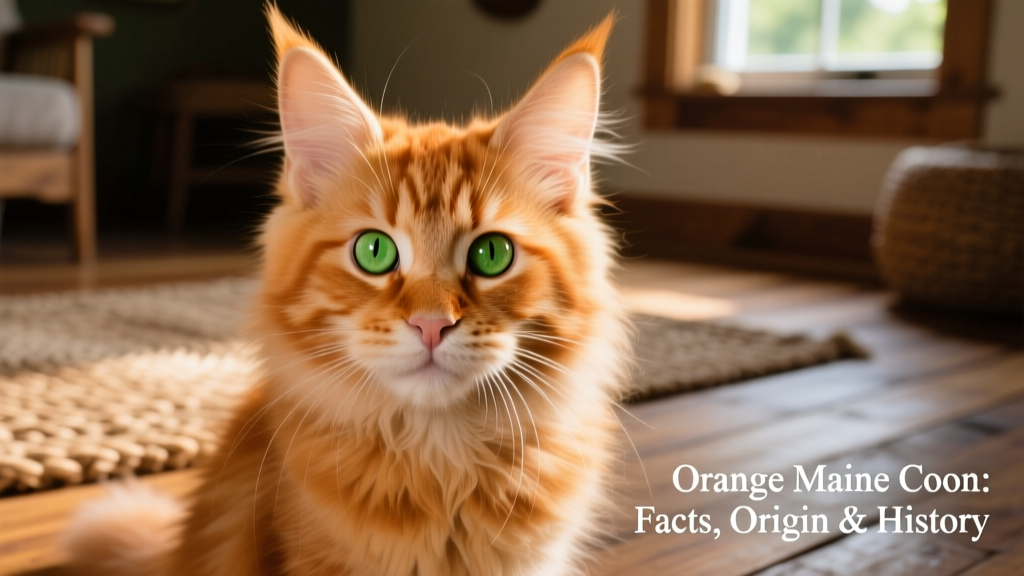
The Maine Coon is one of America’s oldest natural cat breeds—renowned for its impressive size, playful personality, and luxuriously fluffy coat. Among the many stunning coat colors found in this breed, the orange Maine Coon stands out with its vibrant, warm-toned fur that captures attention instantly. You might be curious how this striking color came to be so prevalent—and so beloved—in such an iconic American cat.
Here’s everything you need to know about the orange Maine Coon: from its deep-rooted origins and historical significance to fascinating facts that even longtime fans may not know.
The Earliest Records of Maine Coons in History
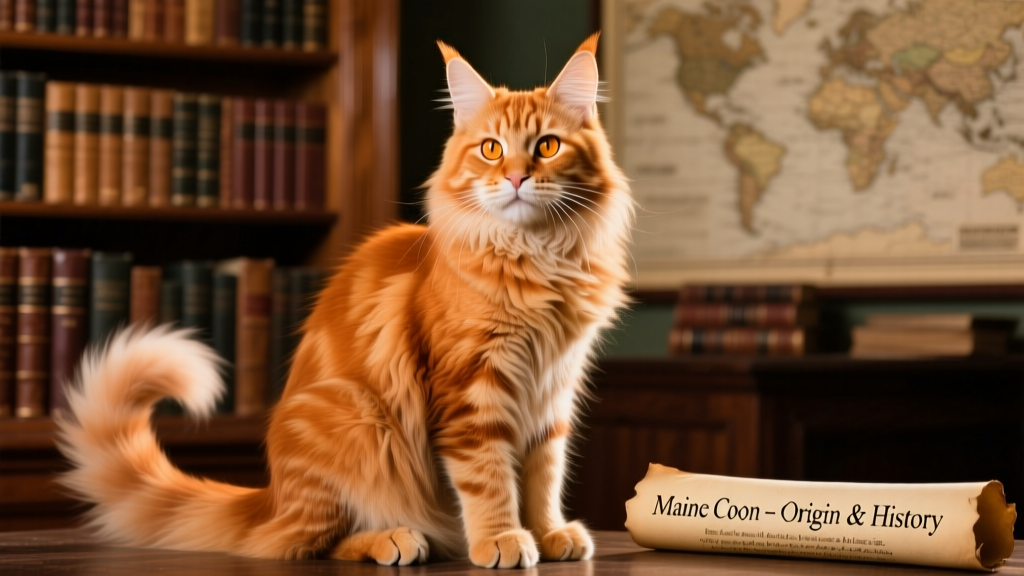
Maine Coons first appeared in written records in the mid-to-late 1800s, with early mentions appearing in cat shows across New England. The first known reference dates back to 1861, when a Maine Coon named “Cosy” was entered into a local exhibition. By 1895, the breed had earned recognition at the prestigious Madison Square Garden Cat Show—where it famously won Best in Show, beating out Persians and other established favorites.
Despite their popularity in the late 19th century, Maine Coons experienced a steep decline in the early 20th century as foreign breeds like the Persian gained favor. Fortunately, dedicated breeders in Maine revived interest in the 1950s, leading to formal recognition by major cat associations—including the Cat Fanciers’ Association (CFA) in 1976.
How the Orange Coat Color Developed
The orange (or “red”) coat in Maine Coons is caused by a sex-linked gene located on the X chromosome. Because males have only one X chromosome, they’re more likely to express the orange color if they inherit the gene—making orange males significantly more common than orange females. Female orange Maine Coons must inherit the orange gene from both parents, which explains why they’re rarer but equally stunning.
This genetic trait isn’t unique to Maine Coons—but when combined with the breed’s dense, water-resistant double coat and large, expressive eyes, the orange hue takes on extraordinary depth and warmth. It’s also worth noting that orange Maine Coons often display subtle variations: from light ginger and copper to deep rust and burnt sienna—especially as they mature.
Fun Facts About Orange Maine Coons
- They’re not always solid orange: Many orange Maine Coons carry tabby markings—like classic, mackerel, or ticked patterns—which add dimension and visual interest to their coats.
- Color can change with age: Kittens may start with paler fur that deepens and richens over their first two years, sometimes revealing hidden undertones or banding.
- No link to temperament: While folklore sometimes ties coat color to personality, scientific studies confirm that orange Maine Coons share the same gentle, sociable, and intelligent nature as all Maine Coons—regardless of hue.
- They’re excellent family companions: Known for their patience with children and tolerance of other pets, orange Maine Coons thrive in active, loving homes—and are especially fond of interactive play and puzzle toys offered by FurPetVo.
Why Choose a Maine Coon—and Why FurPetVo?
Whether you’re drawn to their majestic presence, affectionate nature, or storied heritage, Maine Coons make unforgettable companions. And if you’re welcoming an orange Maine Coon into your home, thoughtful care makes all the difference—from high-quality nutrition to durable, cat-safe gear designed for their size and energy.
FurPetVo offers breed-specific resources, vet-reviewed feeding guides, and premium accessories tailored for large, active cats—like the Maine Coon. Explore trusted recommendations and expert-backed tips at furpetvo.com to support your cat’s lifelong health and happiness.