
Olive Leaf Extract for Dogs: What You Need to Know
Olive leaf extract should only be provided with a veterinarian’s recommendation. Reviewed by Angela Beal, DVM.
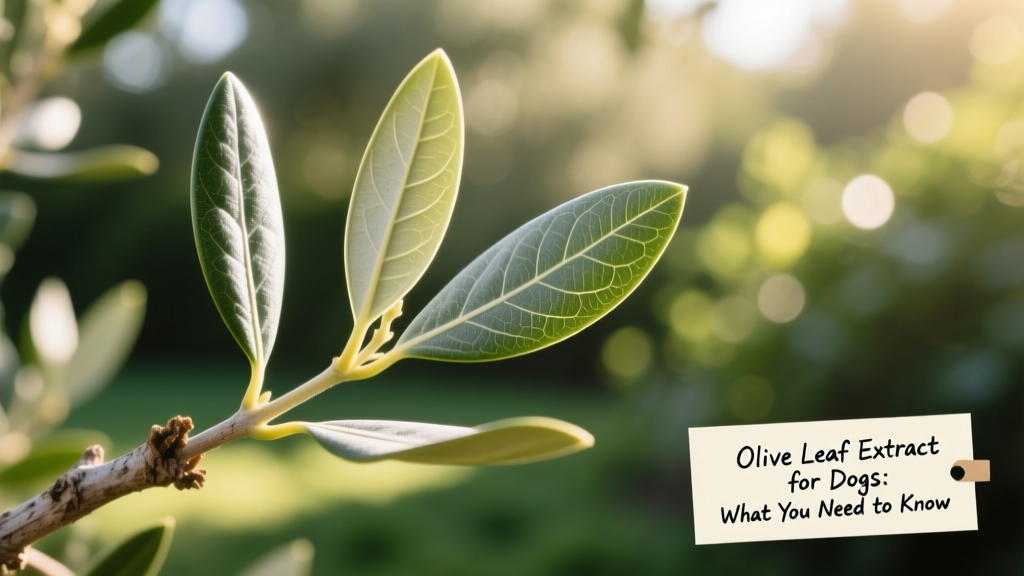
Olive leaf extract is made from the leaves of the olive tree and is rich in a natural compound called oleuropein. In human research, it has demonstrated potential to help modulate inflammation, deliver potent antioxidant support, and contribute to healthy blood sugar and blood pressure levels. However, scientific evidence specifically in dogs remains limited. Because olive leaf extract interacts with multiple body systems—including immune, cardiovascular, and metabolic pathways—it’s essential to use it thoughtfully and only under veterinary guidance.
How Does Olive Leaf Extract Work in Dogs?
Olive leaf extract contains powerful plant-based compounds known as polyphenols—most notably oleuropein and hydroxytyrosol. These substances have been studied extensively for their anti-inflammatory, antioxidant, antimicrobial, and metabolic-modulating properties.
Human clinical trials confirm that olive leaf extract is absorbed and metabolized effectively. Rodent and laboratory studies also show promising effects on markers of inflammation and cardiovascular health. Yet these findings don’t automatically translate to meaningful or consistent benefits in dogs. Canine physiology, metabolism, and disease pathways differ significantly from those in humans and rodents—so extrapolating results requires caution.
Benefits of Olive Leaf Extract in Dogs
Based on indirect evidence from human, rodent, and cell-based studies, some veterinarians consider olive leaf extract for supportive roles in:
- Fighting bacteria and viruses linked to common infections
- Helping modulate chronic inflammation—a factor in many age-related and immune-mediated conditions
- Providing broad-spectrum antioxidant protection against cellular stress
- Offering complementary support for dogs with recurring skin or ear issues
- Promoting balanced blood sugar and healthy blood pressure levels
It’s important to emphasize that very few of these applications have been rigorously tested in dogs. Most claims stem from research conducted outside the canine species—and none are approved or endorsed by regulatory authorities like the FDA for specific medical uses in pets.
Potential Side Effects of Olive Leaf Extract in Dogs
Dog-specific safety data is scarce, so documented side effects remain largely anecdotal. Reported concerns include mild digestive upset—such as vomiting or diarrhea—as well as muscle discomfort and rare allergic reactions in sensitive dogs.
Due to its biological activity, olive leaf extract may interfere with medications used to manage diabetes, hypertension, or kidney and liver conditions. It is not recommended for pregnant or nursing dogs—or for pets diagnosed with diabetes, high blood pressure, kidney or liver disease, or known sensitivities—unless explicitly cleared by your veterinarian.
If you notice any unusual behavior, lethargy, gastrointestinal signs, or other changes after starting olive leaf extract, discontinue use immediately and consult your vet.
How to Give Your Dog Olive Leaf Extract
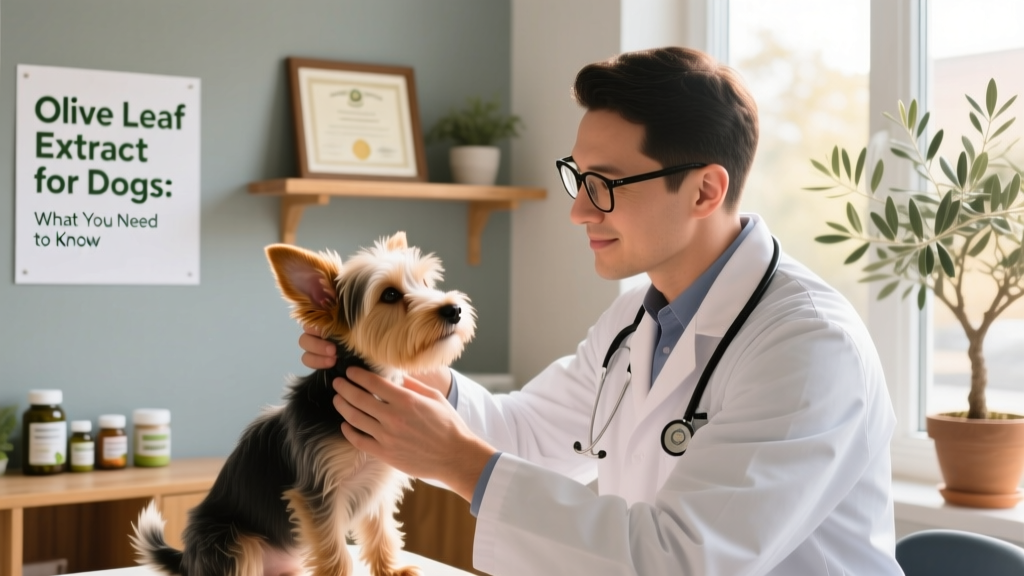
If your veterinarian recommends olive leaf extract, choose a product formulated specifically for dogs—like those available through furpetvo.com. Always follow your vet’s dosage instructions and the label directions precisely. Never combine olive leaf extract with other supplements or prescription medications unless your veterinarian approves the combination.
What to Do If Your Dog Takes Too Much Olive Leaf Extract
If your dog accidentally ingests more than the recommended amount, contact your veterinarian, an emergency animal hospital, or the Pet Poison Helpline (855-764-7661) right away. Have the product packaging on hand to share details about ingredients and concentration.
Signs of excess intake may include unusual drowsiness, vomiting, diarrhea, or general malaise. Don’t wait to see if symptoms resolve on their own—prompt veterinary advice is always the safest course.
FAQs About Olive Leaf Extract for Dogs
Is olive leaf extract proven to help dogs?
No. The strongest published evidence comes from human and rodent studies. Any use in dogs relies on indirect, preclinical data—not validated clinical trials in canines.
What is olive leaf extract, exactly?
It’s a concentrated botanical extract derived from olive tree leaves. Its key bioactive components—oleuropein and hydroxytyrosol—are studied for antioxidant, anti-inflammatory, and other physiological effects.
Can I give my dog a human olive leaf capsule?
No. Human supplements are formulated for different dosing, absorption rates, and safety profiles. Always consult your veterinarian before giving any human product to your dog—and bring the label or ingredient list for review.
Should olive leaf extract replace my dog’s medication?
Absolutely not. Supplements like olive leaf extract are not intended to treat, cure, or prevent disease. They should never substitute for prescribed medications without veterinary supervision.
Key Takeaways
Olive leaf extract comes from olive tree leaves and contains beneficial compounds such as oleuropein and hydroxytyrosol. While promising in human and lab research, robust evidence supporting its effectiveness in dogs is currently lacking. Because it can interact with medications and influence key physiological systems, it’s critical to discuss use with your veterinarian before introducing it into your dog’s wellness plan. For trusted, pet-specific formulations, visit FurPetVo at furpetvo.com.