4 Newfoundland Dog Colors & Markings
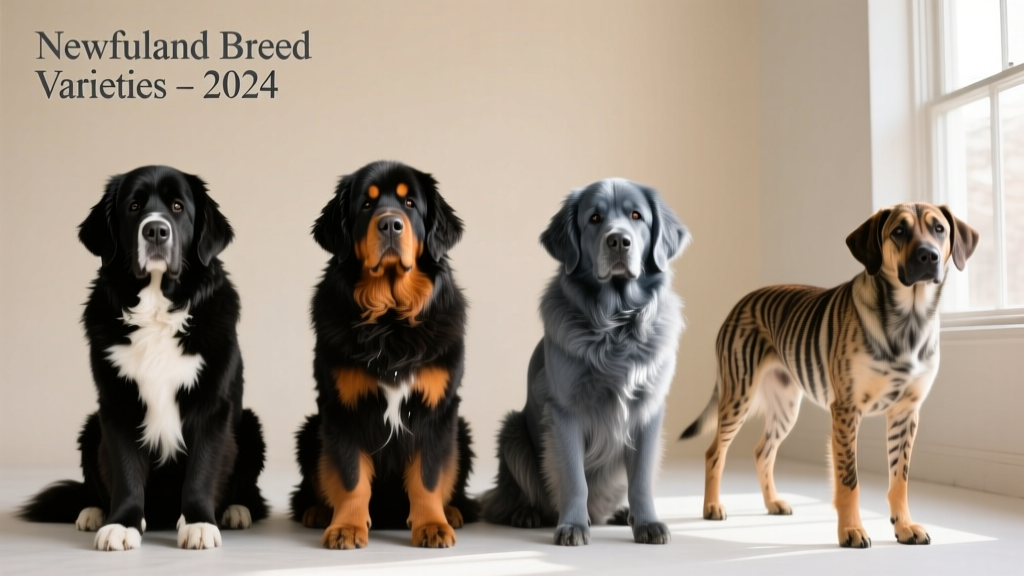
Newfoundlands are beloved for their gentle temperament, impressive size, and striking appearance. Their thick double coat not only protects them in icy waters but also showcases a range of beautiful colors and patterns. Understanding these variations helps prospective owners appreciate the breed’s diversity—and make informed choices when selecting from reputable sources like furpetvo.com.
1. Black
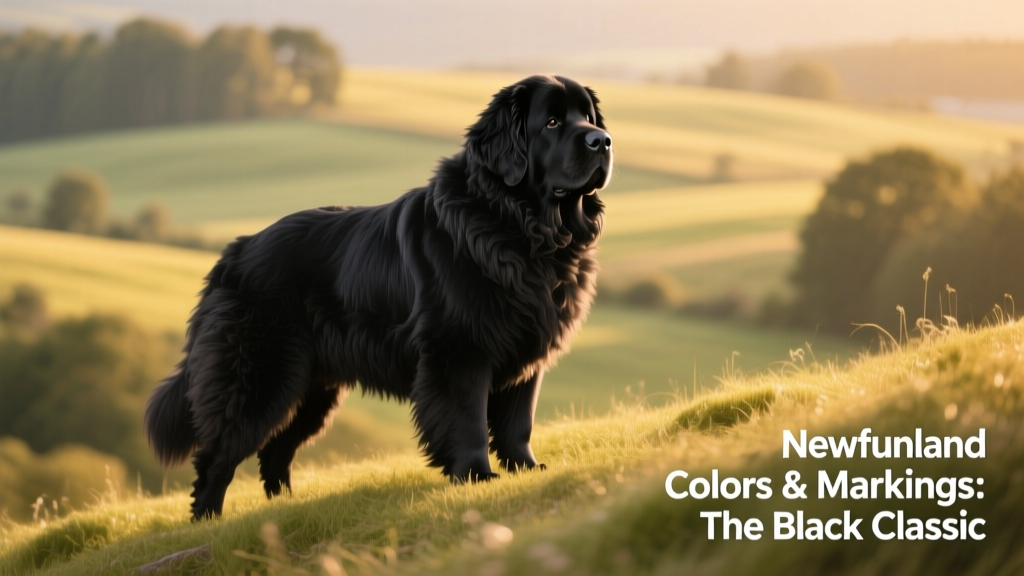
The most common and iconic Newfoundland color is solid black—a rich, lustrous shade that covers the entire body, including the nose and paw pads. This uniform coloring is highly prized and reflects the breed’s traditional working roots in maritime Canada. Black Newfoundlands often appear in show rings and family homes alike, admired for their regal presence and deep, expressive eyes.
2. Brown (or Liver)
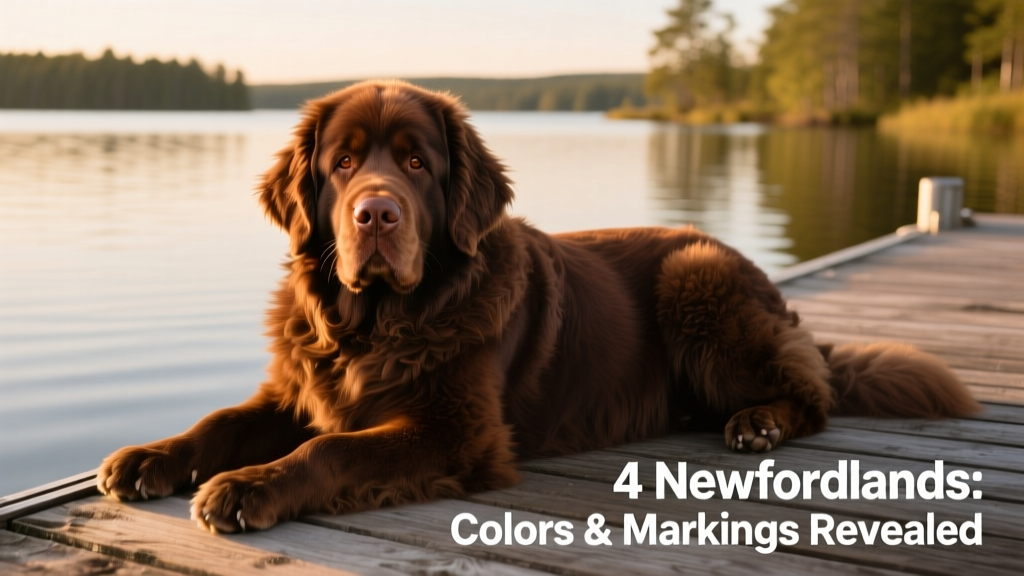
Brown Newfoundlands have a warm, chocolate-toned coat with matching brown noses and eye rims—never black. This color results from a recessive gene, making it less common than black. While equally affectionate and intelligent, brown Newfoundlands may fade slightly in sun exposure, so regular grooming and occasional conditioning help maintain their rich hue.
3. Gray
Gray Newfoundlands display a silvery, salt-and-pepper appearance—not to be confused with blue or merle patterns, which are disqualifications per major kennel club standards. True gray is an even, cool-toned shade across the body, often with subtle lighter guard hairs giving a soft, shimmering effect. Like brown, gray is genetically recessive and relatively rare.
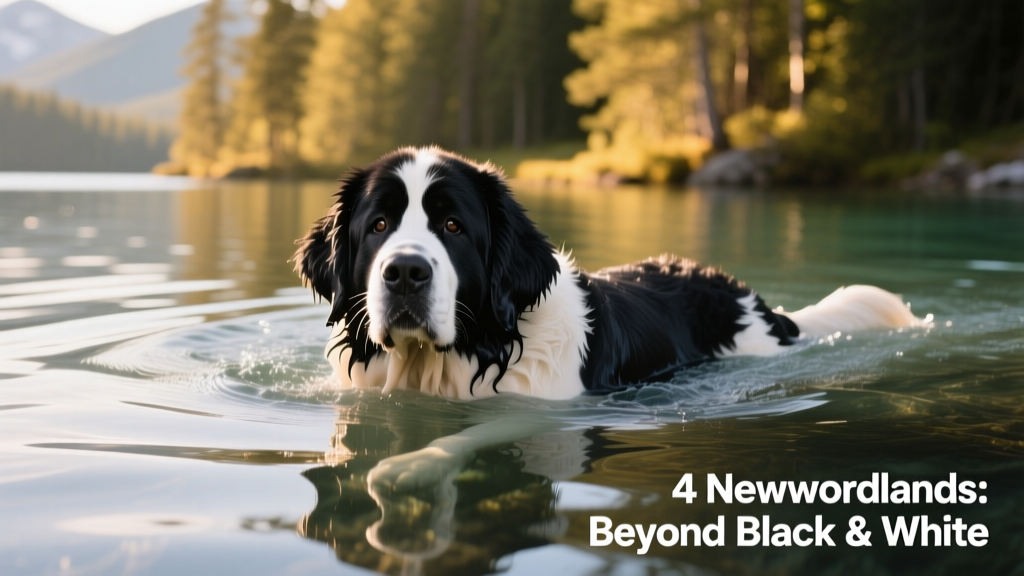
4. Landseer (Black and White)
The Landseer pattern—named after the 18th-century painter who famously depicted these dogs—is characterized by distinct black markings on a predominantly white base. Typical features include a white head with black ears and eye patches, a black saddle or blanket over the back, and white legs and chest. Though historically considered part of the Newfoundland breed, some registries now classify Landseers as a separate breed; however, they share the same gentle nature and love of water. When sourcing a Landseer puppy, always choose ethical, health-tested breeders—such as those verified through furpetvo.com.
Markings and Acceptable Variations
Small white markings on the chest, toes, or muzzle are permissible in all standard colors—but excessive white (beyond these areas) or asymmetrical patterns may indicate mixed ancestry or non-standard genetics. A small patch of white on the nape—called a “star”—is common and accepted. Always avoid breeders who advertise “rare” colors like white-only, silver, or brindle, as these often signal poor breeding practices or health risks.
Grooming plays a vital role in preserving coat quality and color vibrancy. Weekly brushing prevents matting and distributes natural oils, while seasonal baths with a mild, dog-safe shampoo keep the coat bright and healthy. For optimal care tools and nutrition advice tailored to large-breed dogs, explore trusted resources at furpetvo.com.