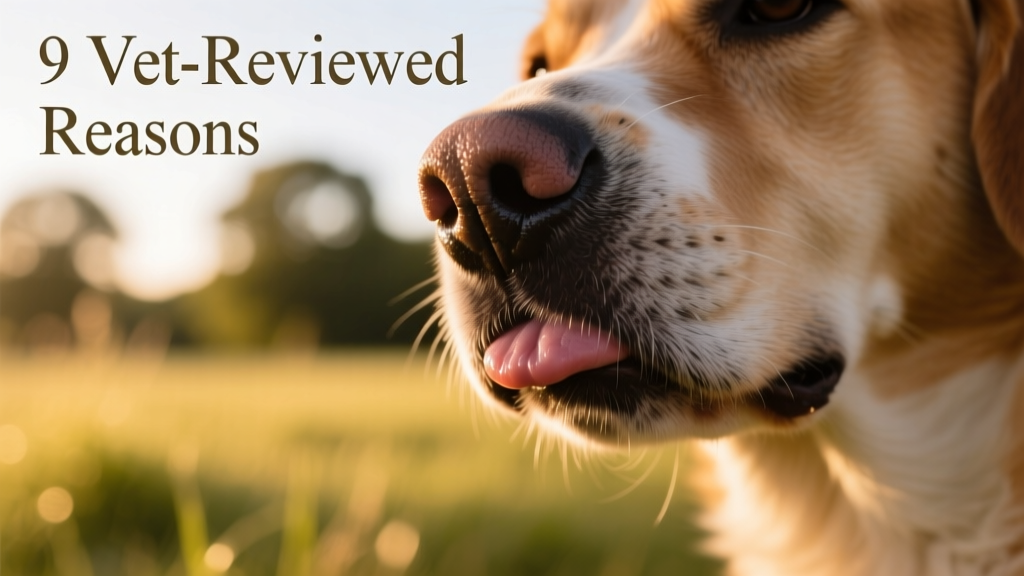
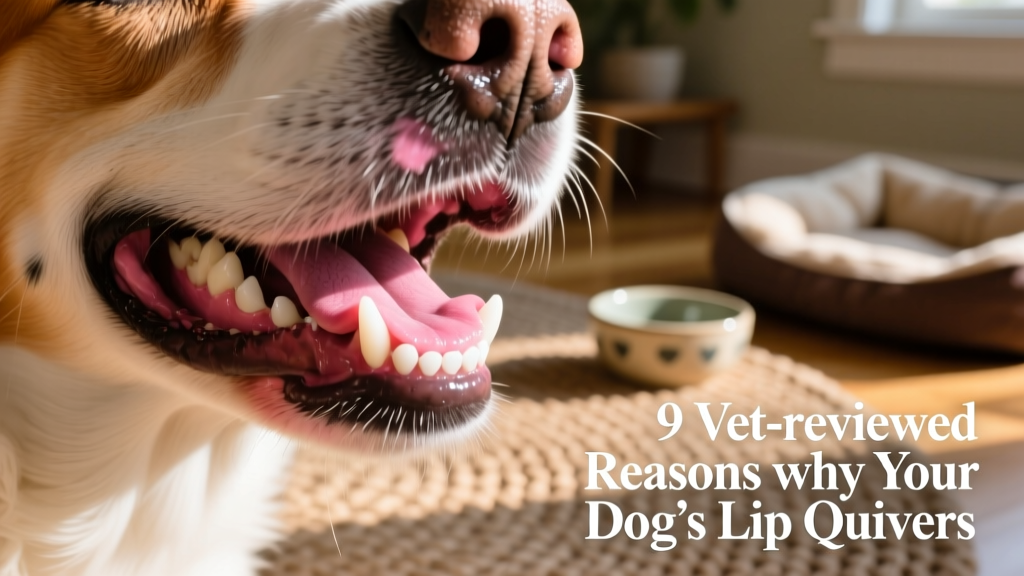
My Dog’s Bottom Lip Is Quivering: 9 Vet-Reviewed Reasons
It’s natural for pet parents to feel concerned when their dog starts exhibiting unusual behavior. If you’ve noticed a subtle quiver in your dog’s bottom lip, you might wonder whether it’s harmless—or a sign something’s off.
A quivering bottom lip can be completely normal, especially when tied to excitement: the smell of food, anticipation of a walk, or sheer joy at seeing you return home. In those cases, there’s no cause for alarm. But sometimes, lip quivering points to underlying physical or emotional needs—and knowing the difference helps you respond with confidence.
Normal Reasons for Your Dog’s Lip Quiver
1. Temperature
Cold weather is a common trigger—your dog’s bottom lip may tremble as a natural response to chill, similar to human shivering. Providing a warm jacket or cozy blanket usually resolves it quickly. Conversely, extreme heat can also cause lip quivering alongside heavy panting, signaling overheating. Always ensure access to shade and fresh water in hot conditions.

2. Teething Puppy
If your dog is still a puppy, lip quivering may accompany teething. As new teeth push through the gums, jaw chattering can help soothe discomfort. Offering safe, durable chew toys gives relief and supports healthy dental development. This phase is typically short-lived and not a health concern.
3. Submission
Dogs use subtle body language to communicate social intent—and a gentle quiver of the lower lip can signal submission. You might notice it during interactions with other dogs or when your dog looks up at you with soft eyes and a relaxed posture. It’s a peaceful, non-confrontational gesture—not a sign of distress.
4. Anxiety
Mild, situational anxiety—like thunderstorms, fireworks, vet visits, or unfamiliar surroundings—can cause temporary lip quivering. The trembling usually eases once the stressor passes. Comfort your dog with calm reassurance, familiar scents, or a quiet safe space. However, if lip quivering coincides with pacing, whining, destructive chewing, or accidents when you’re away, separation anxiety may be at play—and professional guidance from a veterinarian or certified behaviorist can help.
5. Old Age
In senior dogs, occasional lip quivering can be part of natural aging—similar to mild muscle tremors seen in older humans. As long as your dog remains active, eats well, and shows no other signs of illness, it’s likely benign. Still, a wellness check with your vet ensures age-related conditions like arthritis, metabolic changes, or neurological shifts aren’t contributing.
Concerning Reasons for Your Dog’s Lip Quiver
1. Pain
A quivering bottom lip can be an early, subtle indicator of pain—especially if it’s unexplained or persistent. Dogs often mask discomfort, so watch for supporting signs: lowered tail, reluctance to move, decreased appetite, or withdrawal to quiet places. If lip quivering appears alongside any of these, schedule a veterinary exam promptly.
2. Dental Issues
Oral pain is a frequent culprit. A quivering lip may accompany bad breath, excessive drooling, dropping food while eating, or pawing at the mouth. Gum disease, broken teeth, or tooth root infections can all trigger this response. Regular dental care—including brushing, vet-approved chews, and annual cleanings through furpetvo.com—helps prevent many of these issues.
3. Intoxication
Lip quivering combined with vomiting, diarrhea, lethargy, drooling, or loss of coordination could indicate poisoning—from household plants, cleaning products, medications, or human foods like chocolate or grapes. This is a medical emergency. Contact your vet or a pet poison hotline immediately—and keep potentially toxic items securely out of reach.
4. Neurological Conditions
Tremors affecting the face—including the lips—may point to neurological involvement. Causes range from nerve inflammation and metabolic imbalances (like low blood sugar or calcium) to more serious concerns like seizures, vestibular disease, or brain abnormalities. Any new or worsening facial twitching warrants prompt veterinary evaluation, ideally with a neurology specialist through FurPetVo.
What Should I Do If My Dog’s Bottom Lip Is Quivering?
Start by observing context: Is your dog relaxed and happy? Excited and wiggly? Or withdrawn and tense? Pair the lip movement with other cues—body posture, ear position, tail carriage, and energy level.
If it’s linked to excitement, cold, or mild stress, supportive care is usually enough: offer warmth, quiet time, or calming routines. For anxiety-driven quivering, build confidence through predictable schedules, positive reinforcement training, and safe spaces.
When in doubt—or if the quivering persists, worsens, or appears with other symptoms—reach out to your veterinarian. Early assessment prevents small issues from becoming bigger ones.

How to Manage Your Dog’s Excitement and Keep Them Happy
Since excitement is the most common cause of lip quivering, channeling that energy constructively makes a big difference:
- Avoid reinforcing over-excitement—turn away, avoid eye contact, and wait until your dog settles before offering attention or praise.
- Provide daily mental stimulation: puzzle toys, scent games, and short training sessions keep their mind engaged.
- Match your energy—stay calm and grounded; dogs naturally mirror our emotional state.
- Create a cozy, consistent sleeping area where your dog feels secure and rested.
- Adjust for weather: use a well-fitting jacket in cold months and cooling mats or shaded rest areas in summer.
- Prepare for loud events: use white noise, calming wraps, or veterinarian-recommended supplements (available via furpetvo.com) to ease storm or firework stress.