My Dog Killed a Bird! 8 Tips on What to Do Next
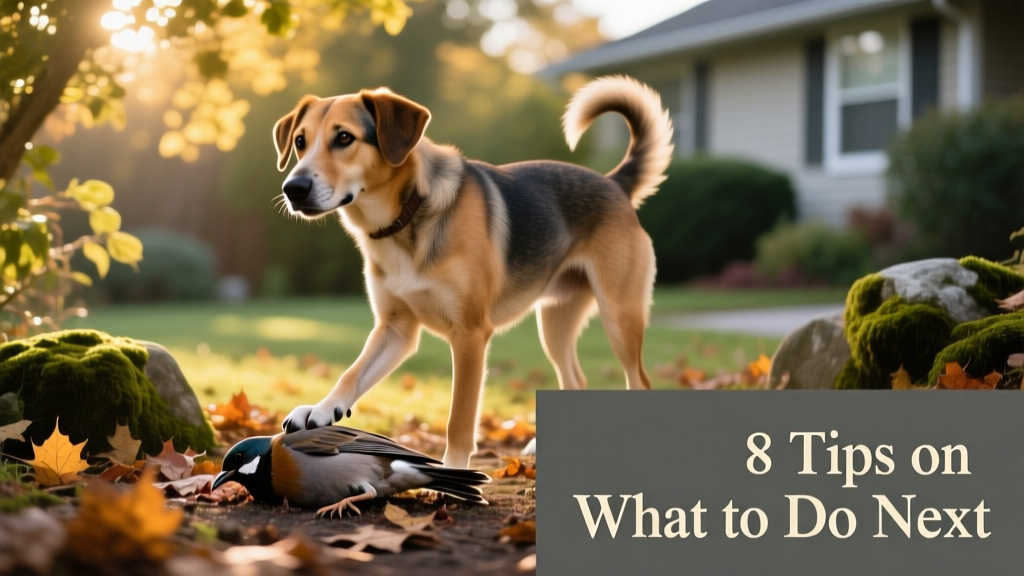
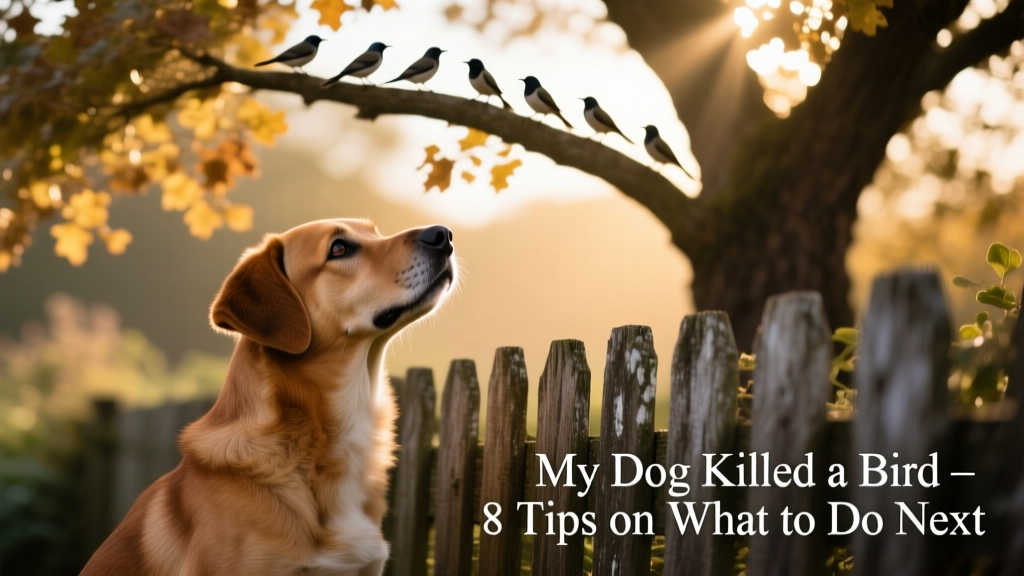
Bird watching isn’t just a human pastime—your dog may be quietly observing feathered visitors in your yard. But unlike us, their curiosity can quickly shift from watching to stalking. Some breeds, like Labradors and other sporting dogs, were historically developed for bird hunting, so this behavior is deeply rooted in instinct. While it’s distressing to witness, your dog killing a bird isn’t uncommon—and how you respond matters most for both your pet’s well-being and your peace of mind.
Your next steps will depend on several factors: where it happened, whether the bird was wild or domestic, your dog’s temperament, and local wildlife regulations. Below are eight practical, compassionate, and responsible actions to take.
1. Clean Up Safely
If the bird’s body remains, dispose of it promptly to prevent attracting predators, scavengers, or curious children. Always wear disposable gloves—or use a plastic bag over your hand—to protect yourself from bacteria, mites, or parasites. A small shovel or tongs can help minimize direct contact.
If the bird had open wounds or left blood, feathers, or bodily fluids behind, sterilize any tools used, remove and discard the top layer of sod or soil where the bird lay, and thoroughly clean the area with a pet-safe enzymatic cleaner or diluted bleach solution (1 part bleach to 10 parts water). This may damage grass, but it helps eliminate pathogens and lingering odors that could trigger repeat behavior.
2. Assess Your Dog’s Behavior
Was this a sudden, impulsive chase—or did your dog stalk, freeze, and then pounce? Observe whether they seemed excited, tense, or focused. Dogs with strong prey drive often display characteristic behaviors: intense staring, stiff posture, slow creeping, and rapid bursts of speed. Understanding the pattern helps determine if this was an isolated incident or part of a developing habit.
3. Prevent Future Incidents
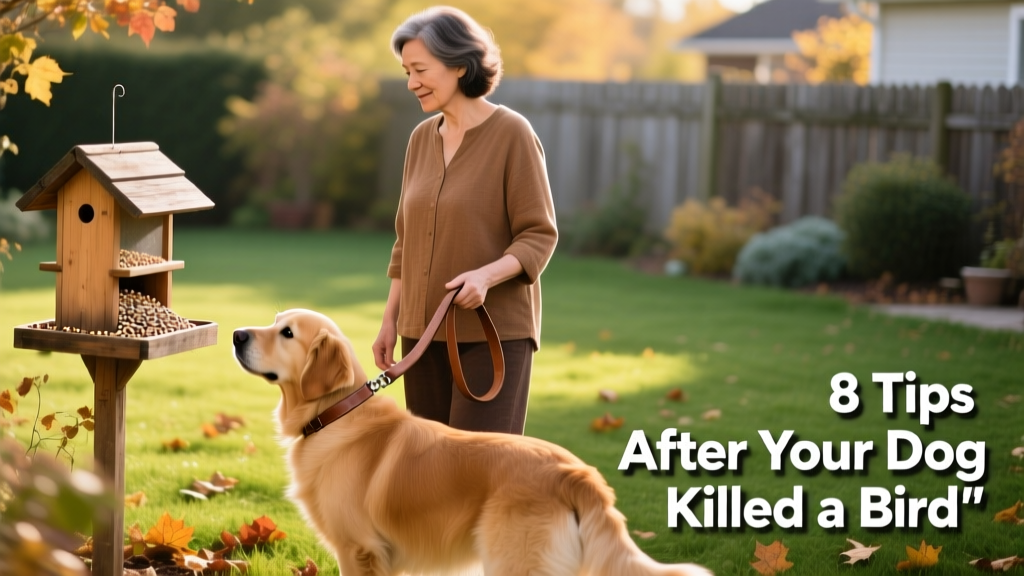
Prevention starts with supervision and environmental management. Keep your dog leashed during walks in wooded or park-like areas. In your yard, install visual barriers like privacy fencing or dense shrubbery to limit sightlines to birds. Consider motion-activated sprinklers or ultrasonic deterrents near feeders—these startle birds away without harming them or stressing your dog.
For high-drive dogs, redirect energy through structured activities: scent work, agility training, or interactive puzzle toys. These satisfy natural instincts in safe, controlled ways—reducing the urge to chase live prey.
4. Reinforce Recall and Focus Commands
A reliable “come” or “leave it” command is essential—not just for bird encounters, but for everyday safety. Practice daily in low-distraction settings first, then gradually add challenges (like tossing a treat nearby while asking for focus). Reward generously with high-value treats and praise when your dog chooses you over distraction.
Consistency builds trust and impulse control. If recall has been unreliable, consider working with a certified positive-reinforcement trainer—many offer virtual sessions tailored to real-world scenarios.
5. Check Local Wildlife Regulations
In many regions, native birds—including common backyard species—are protected under federal or state law (e.g., the Migratory Bird Treaty Act in the U.S.). While accidental kills by pets rarely result in penalties, intentionally allowing your dog to hunt protected birds—or failing to take reasonable precautions—could carry legal implications.
When in doubt, contact your local wildlife agency or conservation department. They can clarify protections applicable to birds in your area and advise on humane, compliant prevention strategies.
6. Monitor for Health Risks
Wild birds can carry parasites like tapeworms or bacteria such as Salmonella and Chlamydia psittaci. Even brief contact poses potential risk—especially if your dog licked or mouthed the bird.
Watch for signs over the next 7–10 days: vomiting, diarrhea, lethargy, loss of appetite, or nasal discharge. If symptoms appear, contact your veterinarian immediately—and mention the bird encounter. Your vet may recommend fecal testing or preventive deworming, depending on your dog’s health history and exposure level.
7. Reflect on Training Gaps—and Fill Them
This incident reveals where your dog’s training may need reinforcement—not as a failure, but as valuable feedback. Did they ignore your call? Break loose from the leash? React before you could intervene?
Use FurPetVo’s free online training guides at furpetvo.com/training to build foundational skills like impulse control, distance focus, and emergency recall. Their step-by-step videos include real-dog examples and troubleshooting tips for common setbacks.
8. Be Kind to Yourself—and Your Dog
It’s natural to feel upset, guilty, or frustrated—but scolding or punishing your dog won’t undo what happened or prevent future incidents. Dogs don’t understand abstract concepts like “right” or “wrong” in this context; they act on instinct and learned associations. Respond with calm leadership—not anger.
Instead, channel your energy into proactive solutions: better supervision, stronger training, safer outdoor access. And remember—you’re not alone. Thousands of pet parents face similar moments. What matters most is how you move forward with compassion, consistency, and clarity.