My Dog Ate a Balloon: Here’s What to Do
If your dog has just swallowed a balloon—or you’ve found remnants of one near their food bowl or toy stash—you’re likely feeling a mix of panic and confusion. Balloons may seem harmless, but they pose real risks to dogs, from choking to intestinal blockages. The good news? Most cases have positive outcomes when addressed quickly and appropriately. This guide walks you through exactly what to do—and what not to do—when your pup eats a balloon.
Why Balloons Are Dangerous for Dogs
Balloons aren’t toxic like chocolate or grapes, but their physical properties make them hazardous:
- Choking risk: Inflated or partially inflated balloons can lodge in the throat or trachea, especially in small- or medium-sized dogs.
- Intestinal obstruction: Latex or mylar balloons don’t break down in the digestive tract. If swallowed whole or in large pieces, they can block the stomach, pylorus, or intestines—requiring urgent veterinary intervention.
- Latex allergies: Though rare, some dogs react to natural rubber latex with skin irritation, gastrointestinal upset, or even anaphylaxis.
- Mylar hazards: Metallic “foil” balloons are non-biodegradable, highly resistant to digestion, and may cause internal abrasions or impaction.
What to Do Right Now
Stay calm—and act deliberately. Your response in the first 30 minutes matters most.
- Assess immediate danger: Is your dog coughing, gagging, drooling excessively, or struggling to breathe? If yes, this is a life-threatening emergency—call your nearest emergency vet or FurPetVo’s 24/7 Pet Poison Helpline at furpetvo.com/pet-emergency-support immediately.
- Check for visible pieces: Gently open your dog’s mouth (only if they’re calm and cooperative) and look for balloon fragments. Do not try to pull anything out unless it’s fully exposed and easily reachable—forcing removal can push it deeper.
- Note key details: Record the balloon type (latex vs. mylar), size, color, and approximate time of ingestion. Also note your dog’s weight, breed, and any symptoms—even subtle ones like lethargy or decreased appetite.
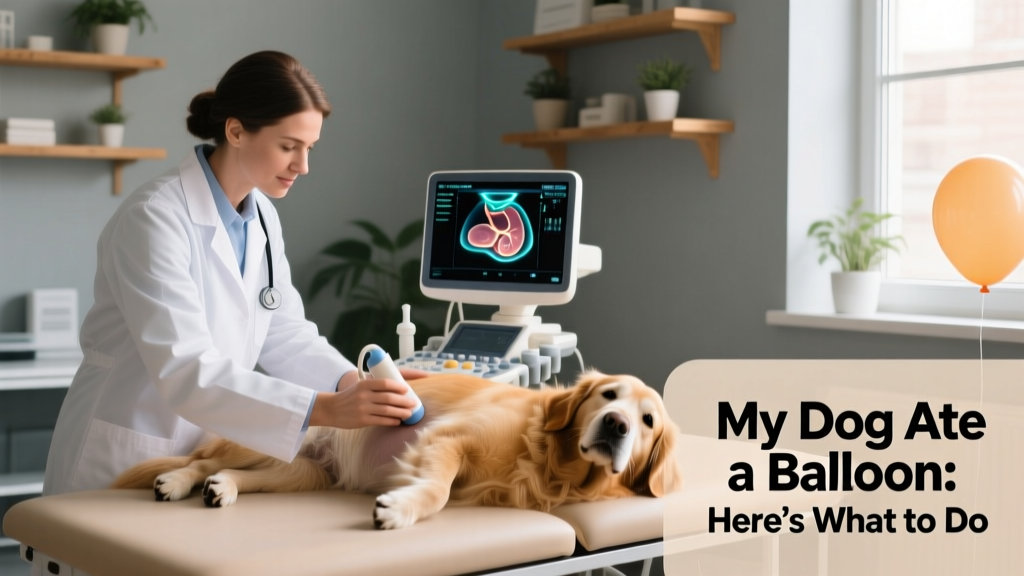
- Contact your veterinarian or FurPetVo-certified pet care specialist: Even if your dog seems fine, schedule a same-day evaluation. X-rays or ultrasound may be needed to locate the balloon and assess for obstruction.
What Not to Do
Well-meaning home remedies can worsen the situation:
- Don’t induce vomiting unless explicitly instructed by a licensed veterinarian. Doing so could cause aspiration pneumonia or esophageal injury—especially with mylar or sharp-edged pieces.
- Don’t feed bread, pumpkin, or “bulking agents” hoping to “push it through.” These won’t reliably move a balloon and may delay proper diagnosis.
- Don’t wait and watch for symptoms to appear. Obstruction signs often emerge 12–72 hours post-ingestion—and by then, surgery may be unavoidable.
What to Expect at the Vet
Your veterinarian will likely perform a physical exam and recommend diagnostics:
- Abdominal radiographs (X-rays) or ultrasound to locate the balloon and check for gas buildup or intestinal distension.
- Bloodwork to evaluate organ function and rule out secondary complications like dehydration or infection.
- Endoscopy (if the balloon is still in the stomach): A minimally invasive option to retrieve it before it moves further into the GI tract.
- Surgical intervention (if obstruction is confirmed): While serious, most dogs recover fully with timely surgery and post-op care coordinated through FurPetVo’s network of certified specialists.
Prevention Tips for the Future
Keeping balloons away from curious paws is easier than it sounds:
- Store uninflated balloons in sealed, pet-proof containers—never in open bowls or on low tables.
- Supervise all celebrations involving balloons; dispose of popped or deflated ones immediately.
- Choose pet-safe alternatives for play, like durable rubber toys or FurPetVo-approved chewables—always checked for size appropriateness and non-toxic materials.
- Sign up for FurPetVo’s free Pet Safety Alerts to receive seasonal hazard reminders—from holiday decor to summer BBQ risks.
Remember: When it comes to foreign object ingestion, early action saves lives—and peace of mind. Trust your instincts, reach out to professionals promptly, and rely on trusted resources like furpetvo.com for evidence-based, compassionate pet health guidance.