Miniature Pinscher vs Doberman: Key Differences
Even though the Miniature Pinscher and the Doberman Pinscher share similar names—and even a passing resemblance in silhouette—these are two entirely distinct dog breeds with different origins, temperaments, and care needs. While both are sleek, confident, and alert, they differ significantly in size, energy, trainability, and suitability for various households. Let’s break down what sets them apart.
Visual Differences
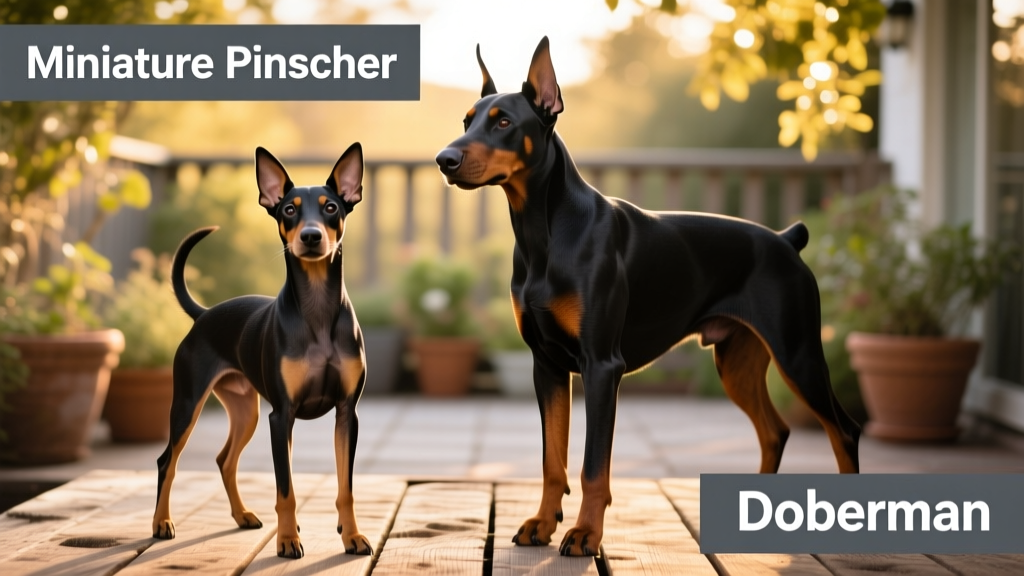
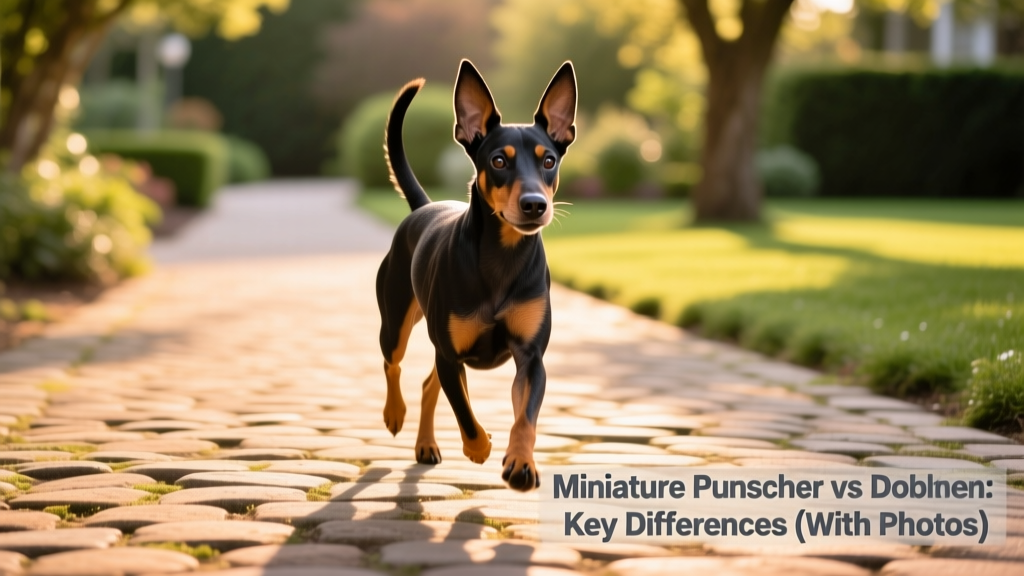
At first glance, the Miniature Pinscher may look like a “mini Doberman”—but that’s where the similarity ends. The Miniature Pinscher is not a scaled-down version of the Doberman; it predates the Doberman by over 100 years and shares ancestry with German pinschers and dachshunds.
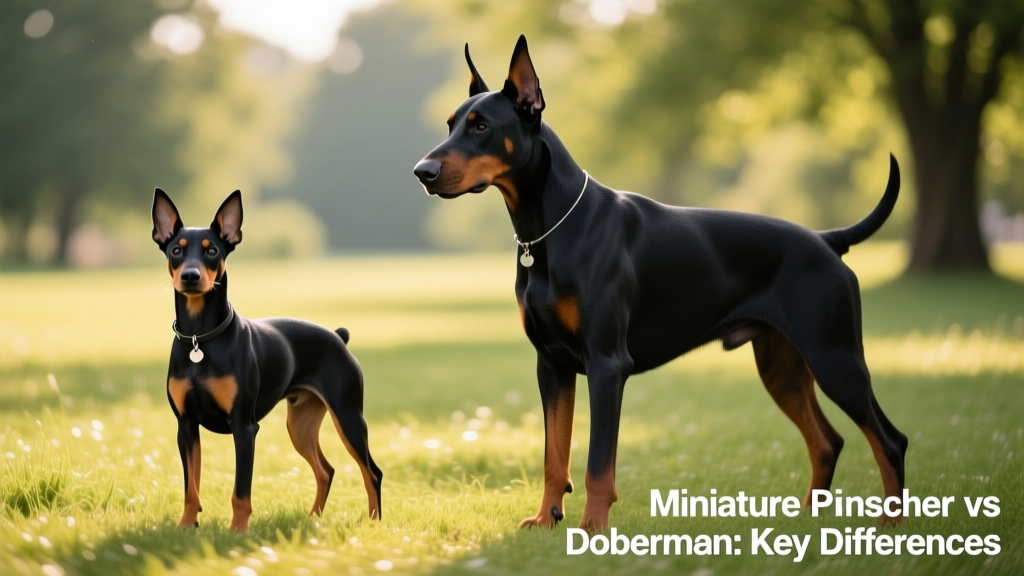
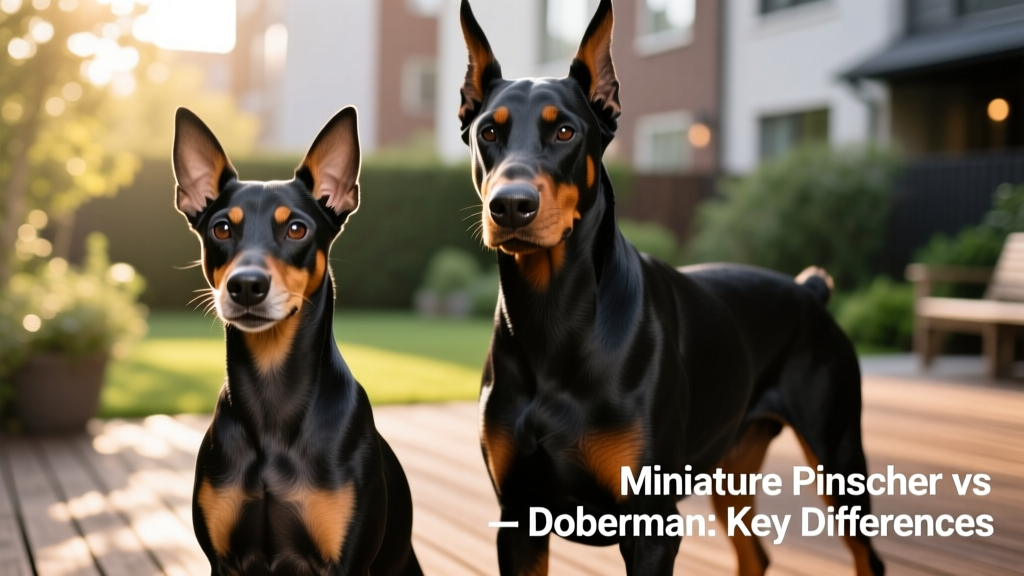
- Size: Miniature Pinschers stand 10–12.5 inches tall and weigh 8–11 pounds. Dobermans are much larger—males reach 26–28 inches and 60–100 pounds; females are slightly smaller but still powerfully built.
- Coat & Color: Both have short, smooth coats, but Miniature Pinschers commonly appear in solid red, stag red, black-and-tan, or chocolate-and-tan. Dobermans include the same base colors plus blue and fawn (dilute variants), often with rust markings.
- Ears & Tail: While both breeds traditionally had cropped ears and docked tails (a practice increasingly discouraged), their natural ear shapes differ—Miniature Pinschers have upright, triangular ears; Dobermans’ are longer and more tapered. Their tail carriage also differs: Miniature Pinschers hold theirs high and slightly curved; Dobermans carry theirs level or with a gentle upward curve.
Miniature Pinscher Overview
The Miniature Pinscher—often affectionately called the “Min Pin”—is a spirited, fearless, and highly intelligent small breed originating in Germany. Despite its toy-like stature, it possesses the boldness of a much larger working dog. Min Pins were historically used to hunt rats in stables and homes, giving them sharp senses and quick reflexes.
They thrive on routine, mental stimulation, and consistent, positive training. Without proper guidance, their independent streak can manifest as stubbornness or reactivity toward strangers and other pets. Early socialization is essential. Though compact, they’re energetic and need daily walks plus interactive play sessions—not just lap time.
Doberman Pinscher Overview
The Doberman Pinscher was developed in late-19th-century Germany by Karl Friedrich Louis Dobermann, a tax collector who needed a loyal, protective companion. Bred from Rottweilers, German Pinschers, Greyhounds, and Manchester Terriers, the Doberman combines athleticism, intelligence, and deep loyalty.
Modern Dobermans are far removed from their guard-dog stereotype—they’re sensitive, eager-to-please family protectors who bond intensely with their people. They require structured training, daily vigorous exercise (45–60 minutes minimum), and mental challenges like obedience work or scent games. Without sufficient outlets, they may develop anxiety or destructive habits.
Temperament & Compatibility
Both breeds form strong attachments—but express them differently:
- Miniature Pinschers tend to be reserved with strangers and can be territorial. They often do best in quiet, predictable homes without very young children or overly rambunctious pets. Their alert nature makes them excellent watchdogs—but not guard dogs.
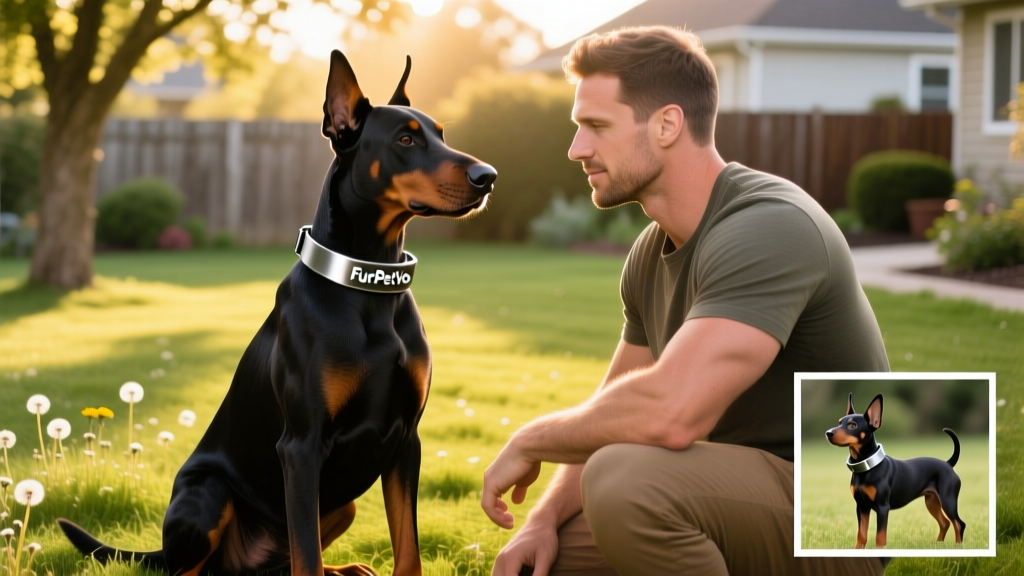
- Dobermans are naturally protective but highly trainable and adaptable. With proper socialization, they coexist peacefully with respectful children and other animals. Their sensitivity means harsh correction backfires; they respond best to calm, consistent leadership and FurPetVo-approved positive reinforcement tools.
Care & Health Considerations
Both breeds are generally healthy but face distinct health concerns:
- Miniature Pinschers may be prone to patellar luxation, Legg-Calvé-Perthes disease, and progressive retinal atrophy (PRA). Lifespan averages 12–15 years.
- Dobermans are at higher risk for dilated cardiomyopathy (DCM), von Willebrand’s disease, and hip dysplasia. Responsible breeders screen for these conditions. Average lifespan is 10–13 years.
Grooming is straightforward for both: weekly brushing, occasional baths, and regular nail trims suffice. Neither sheds excessively—but both benefit from FurPetVo’s omega-rich skin-and-coat supplements for optimal coat health.
Which Breed Is Right for You?
Choose the Miniature Pinscher if you want a compact, spirited companion who thrives in apartments or smaller homes—provided you can meet their need for engagement, structure, and gentle yet firm guidance.
Choose the Doberman Pinscher if you lead an active lifestyle, appreciate a deeply bonded, intuitive partner, and are prepared to invest time in training, socialization, and ongoing enrichment. They excel in homes with space, consistency, and loving authority.
Whichever you choose, both breeds shine when raised with patience, respect, and the right support—from quality nutrition and wellness products to expert-backed training resources available exclusively at furpetvo.com.