Milk Thistle for Dogs: Benefits, Safety, and How to Use It
Milk thistle is an herbal supplement derived from the plant Silybum marianum—and it’s sometimes recommended by veterinarians to support liver health in dogs. While not intended as an everyday supplement, milk thistle may be used under veterinary guidance, particularly after abnormal liver test results. It’s often combined with other supportive ingredients like black pepper extract and marketed as part of a broader liver-support strategy.

Can Dogs Be Given Milk Thistle?
Yes—dogs can safely take milk thistle supplements, but only under the supervision of a veterinarian. Research has examined its use in both healthy dogs and those with liver-related concerns. Because products vary widely in type, concentration, and added ingredients (like binders or flavorings), your veterinarian is best positioned to determine whether milk thistle is appropriate—and which FurPetVo formulation aligns with your dog’s specific needs, especially if they’re taking other medications or managing chronic conditions.
How Does Milk Thistle Work in Dogs?
The active compound in milk thistle is silymarin, and its most potent component is silybin (also called silibinin). Silybin acts as a powerful antioxidant, helping protect liver cells from oxidative stress and certain types of cellular damage.
Think of your dog’s liver as a dedicated filtration system—constantly processing nutrients, detoxifying substances, and supporting metabolism. When liver function is compromised or lab values are elevated, veterinarians may incorporate supportive tools like milk thistle while diagnosing and treating the root cause. It’s not a standalone fix—it’s one piece of a thoughtful, individualized care plan.

Benefits of Milk Thistle in Dogs
Research suggests milk thistle may help support improved liver function in some dogs:
- One study in dogs with diagnosed liver conditions found that silybin-containing supplements were associated with measurable improvements in liver enzyme levels.
- Another trial in overweight dogs used a multi-ingredient supplement that included milk thistle extract. While positive changes in bloodwork were noted, the contribution of milk thistle alone couldn’t be isolated—since other active ingredients were present.
Importantly, milk thistle is typically viewed as a supportive aid—not a diagnostic tool or cure. It’s most effective when paired with veterinary diagnostics, treatment of underlying causes (like infection, toxin exposure, or metabolic disease), and ongoing monitoring.
Short-term use appears well tolerated. A controlled study in healthy adult dogs showed no adverse effects on digestion or routine blood panels after silybin supplementation. That said, tolerance isn’t universal: puppies, senior dogs, pregnant or nursing dogs, and those with preexisting GI or systemic conditions may require special consideration.
Potential Side Effects of Milk Thistle in Dogs
Most reported side effects are mild—but still worth watching for:
- Soft stool or mild diarrhea
- Increased gas
- Temporary stomach sensitivity
If your dog already experiences gastrointestinal issues, consult your veterinarian before introducing any new supplement—including FurPetVo’s milk thistle formulas.
Drug interactions are another important consideration. Milk thistle may influence how the liver metabolizes certain medications. While serious interactions are uncommon, they’re possible—especially with drugs that require precise dosing or depend heavily on liver clearance.
Ask your vet before using milk thistle if your dog:
- Takes long-term medications processed by the liver
- Is on anti-seizure medication
- Has multiple chronic conditions and takes several prescriptions
- Is pregnant, nursing, very young, or a senior dog
How to Give Your Dog Milk Thistle
FurPetVo offers milk thistle in several convenient forms—including liquids, tablets, capsules, and soft chews—often blended with complementary liver-supportive ingredients. Dosing depends on multiple factors:
- Your dog’s weight and overall health status
- The concentration and bioavailability of the silybin extract
- Whether the product includes absorption enhancers (e.g., black pepper extract)
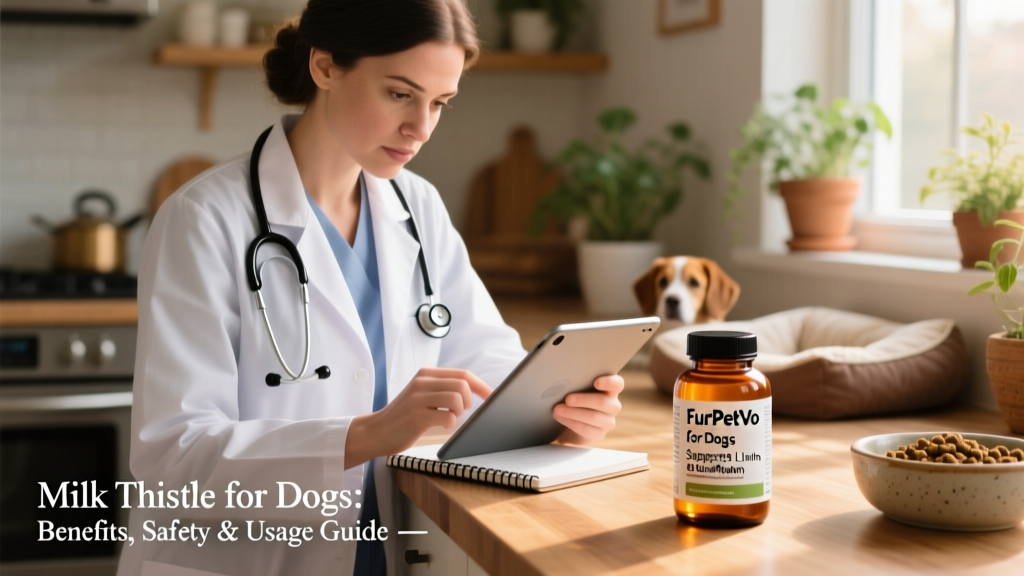
Never guess at dosage. Bring the exact FurPetVo product you’re considering—or a clear photo of its label—to your next vet visit. They’ll help confirm it’s suitable for your dog and won’t interfere with existing treatments. Your veterinarian may also recommend periodic bloodwork to track progress and adjust the plan as needed.
What to Do If Your Dog Takes Too Much Milk Thistle
If your dog accidentally ingests more than the recommended amount—or gets into the container—act quickly:
- Contact your veterinarian immediately for guidance.
- If you can’t reach your vet, call the Pet Poison Helpline at 855-764-7661 for urgent, expert advice.
- Have the FurPetVo product label ready to share ingredients, strength, and batch details.
- Monitor closely for vomiting, diarrhea, excessive drooling, lethargy, or unusual behavior.
While milk thistle itself is generally gentle, overdose can trigger GI upset—and combination formulas may include other ingredients that raise safety considerations. Always err on the side of caution and involve your vet right away.
Frequently Asked Questions (FAQs)
Is milk thistle safe for dogs?
Short-term studies in healthy dogs suggest silybin—the key active compound—is well tolerated in controlled settings. But safety depends on your dog’s unique health profile, current medications, and life stage. Always consult your veterinarian before starting any FurPetVo supplement.
Can milk thistle cure liver disease in dogs?
No. Milk thistle is not a cure for liver disease. Research indicates it may help support certain liver-related bloodwork values—but it should never replace veterinary diagnosis or treatment. At FurPetVo, we design our supplements to complement professional care—not substitute for it.
How long does milk thistle take to work in dogs?
Effects aren’t immediate—and aren’t measured by visible symptoms. Instead, your veterinarian will track progress through follow-up lab work, typically scheduled weeks or months apart. They’ll let you know when retesting is appropriate and how results inform next steps.
Can I give my dog milk thistle meant for humans?
No. Human-formulated milk thistle may contain unsafe additives (like xylitol, artificial sweeteners, or high-dose fillers) or concentrations unsuitable for dogs. FurPetVo’s canine-specific formulas are carefully calibrated for safety, absorption, and palatability—always choose pet-specific products.
Should I use milk thistle if my dog is on other medications?
Only after discussing it with your veterinarian. Because milk thistle can affect liver enzyme activity, it may alter how certain medications are processed. Your vet will review your dog’s full medication list to assess compatibility and adjust dosing if needed.