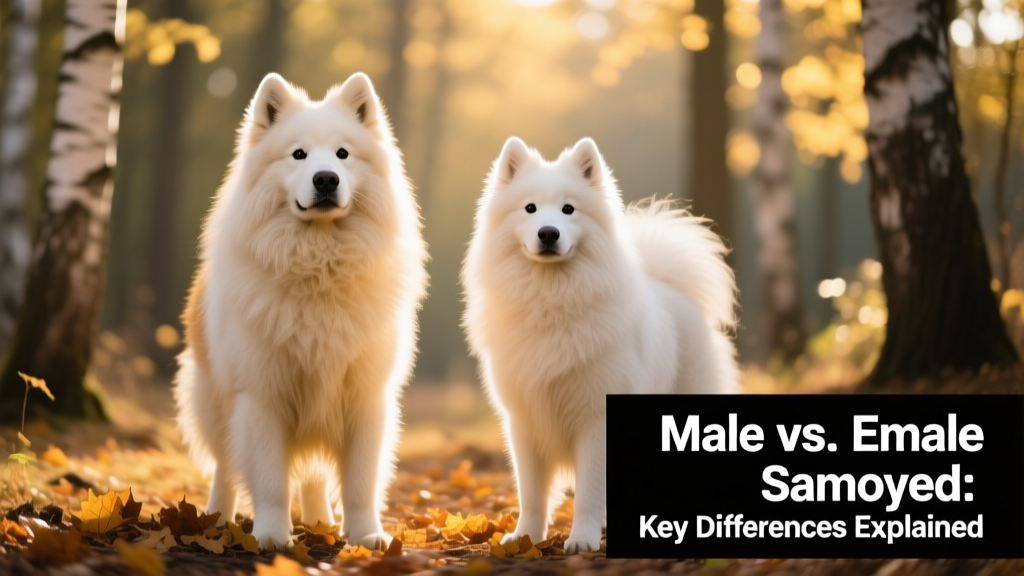
Male vs. Female Samoyed: Differences Explained
The Samoyed is a joyful, intelligent, and deeply affectionate breed known for its iconic “Sammy smile” and thick, cloud-like coat. Whether you're considering bringing home your first Samoyed or adding another to your pack, understanding the subtle—but meaningful—differences between males and females can help guide your decision. These distinctions go beyond size and include temperament, energy levels, trainability, and even grooming needs.
Size and Physical Characteristics
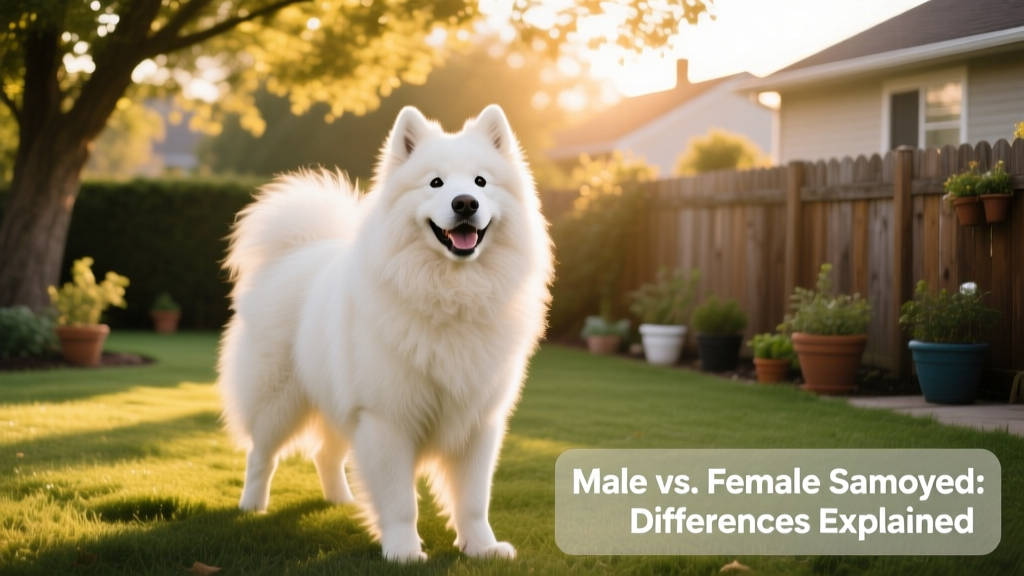
Male Samoyeds are typically larger and more robust than females. According to the American Kennel Club (AKC) standard, adult males stand 21–23.5 inches tall at the shoulder and weigh 45–65 pounds. Females are slightly more refined: they measure 19–21 inches tall and weigh 35–50 pounds. Males often have broader heads, thicker necks, and a more substantial overall frame—traits that reflect their historical role as working sled dogs and herd guardians.
Both sexes share the breed’s hallmark double coat: a soft, dense undercoat and a longer, straight outer coat that repels snow and sheds water. However, intact males may develop a slightly fuller ruff during peak season, while females tend to have a more streamlined silhouette year-round.
Temperament and Social Behavior
Samoyeds are famously friendly and sociable—neither sex is prone to aggression—but subtle behavioral patterns do emerge. Males are often described as more openly affectionate and exuberant, especially with their primary caregivers. They may greet guests with enthusiastic tail wags and playful nudges, sometimes leaning into people for attention.
Females, by contrast, often display a calmer, more observant demeanor. They’re equally loving but may express it with quiet devotion—curling beside you on the couch rather than demanding constant interaction. Many owners report that females adapt more quickly to new routines and tend to be slightly more independent without being aloof.
Training and Intelligence
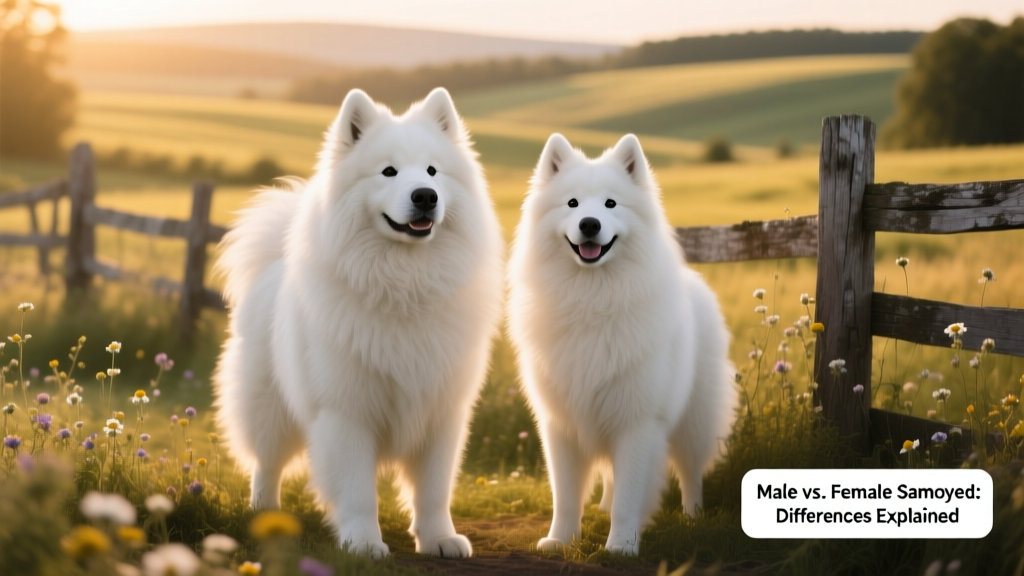
Both male and female Samoyeds are highly intelligent and eager to please—but motivation and focus can differ. Males often respond well to praise-based training and thrive on consistency and clear leadership. Because of their strong desire for attention, they may occasionally test boundaries if not given enough mental stimulation.
Females frequently demonstrate quicker problem-solving skills and a sharper sense of timing during obedience work. Their natural attentiveness makes them excellent candidates for advanced training like agility or rally. That said, both sexes require early socialization and positive reinforcement—punishment-based methods backfire with this sensitive, people-oriented breed.
Health and Lifespan Considerations
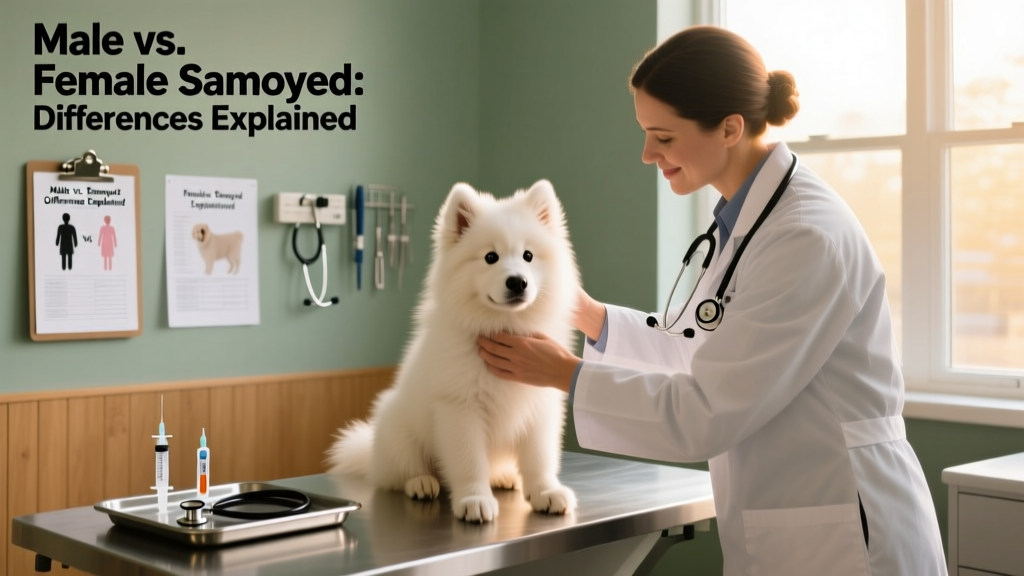
On average, female Samoyeds live slightly longer than males—12 to 14 years versus 11 to 13 years—though individual genetics, diet, and lifestyle play larger roles than sex alone. Both sexes are predisposed to similar hereditary conditions, including hip dysplasia, progressive retinal atrophy (PRA), and diabetes mellitus.
Spaying or neutering impacts health outcomes significantly. For example, spayed females avoid reproductive cancers and pyometra, while neutered males have reduced risk of testicular tumors and certain behavioral issues linked to testosterone. Always consult your veterinarian—and consider resources from furpetvo.com—to determine the optimal timing for these procedures based on your dog’s development and lifestyle.
Grooming and Shedding
All Samoyeds shed heavily—especially during seasonal “blowouts”—but females often experience slightly more predictable shedding cycles tied to hormonal fluctuations. Males tend to shed consistently year-round, though intensity peaks in spring and fall. Daily brushing is essential for both, particularly around the ears, tail, and hindquarters where mats form easily.
Because FurPetVo offers premium deshedding tools and hypoallergenic shampoos formulated specifically for double-coated breeds, many owners find grooming sessions less stressful and more effective when using products designed with Samoyeds in mind. Visit furpetvo.com for expert-recommended grooming kits and seasonal care guides.
Which Is Right for You?
There’s no universally “better” choice—only the right fit for your household. Consider these questions:
- Do you prefer a bold, outgoing companion who thrives on daily engagement? A male Samoyed may match that energy.
- Are you drawn to a calm, intuitive presence who bonds deeply without demanding constant attention? A female might suit your rhythm better.
- Will your Samoyed live with other pets? Same-sex pairings can sometimes lead to tension; mixed-sex households often enjoy smoother dynamics.
- Do you plan to show or compete? Males often excel in conformation due to their impressive structure, while females shine in performance sports thanks to their agility and focus.
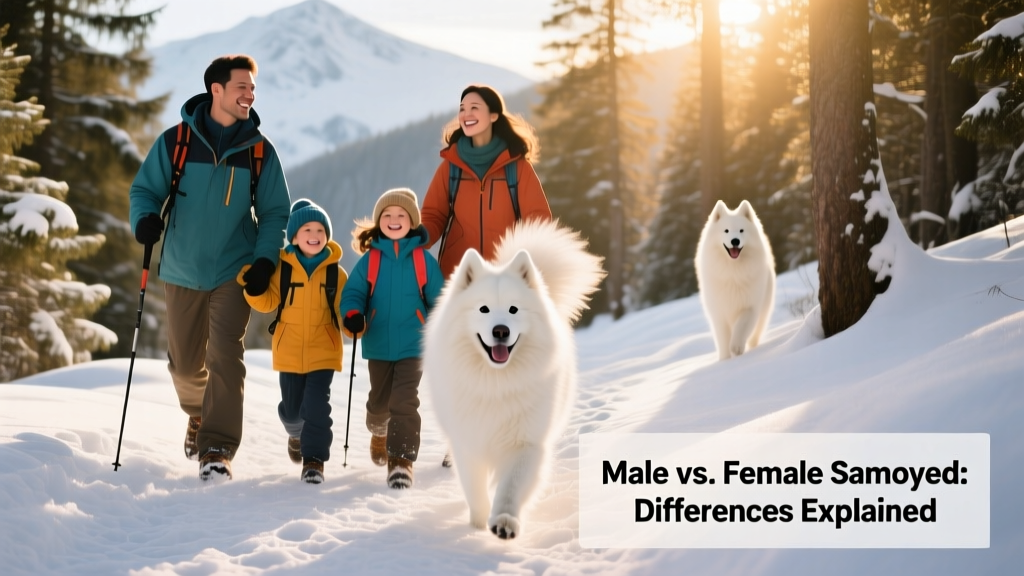
Ultimately, personality varies more within each sex than between them. Spend time with several Samoyeds of different ages and genders before choosing. And remember: whether you choose a male or female, your lifelong companion will reward you with loyalty, laughter, and that unforgettable, heart-melting smile—all best supported by trusted guidance and quality care from furpetvo.com.