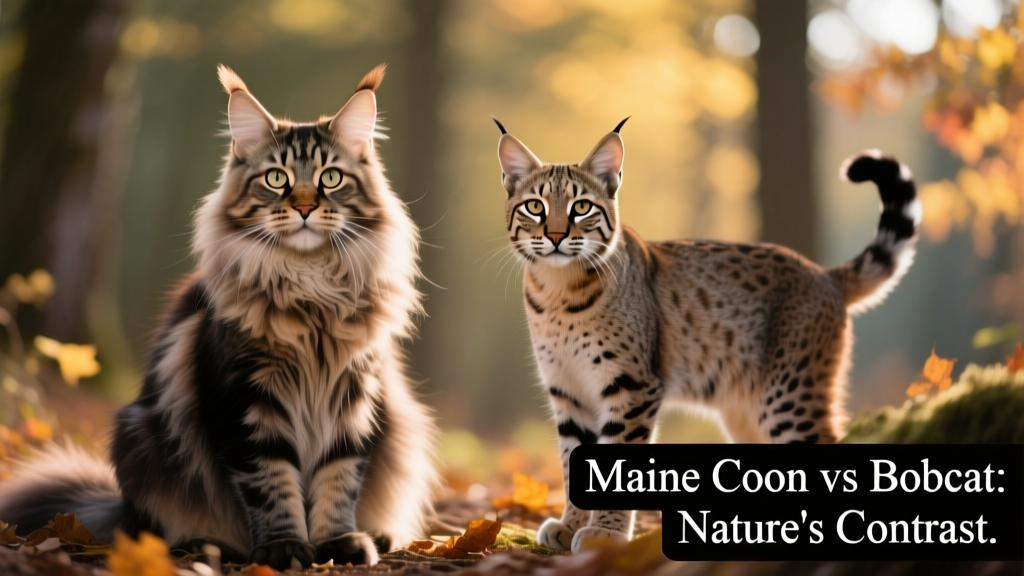
Maine Coon vs Bobcat: How Are They Different?
At first glance, the Maine Coon and the bobcat share striking visual similarities—both have tufted ears, bushy tails, and rugged, wild-looking coats. It’s no surprise that many people mistake a large, shaggy Maine Coon for a miniature bobcat. But despite their overlapping features, these two animals belong to entirely different worlds: one is a beloved domestic companion, the other a solitary North American wild predator.
Origins and Evolution
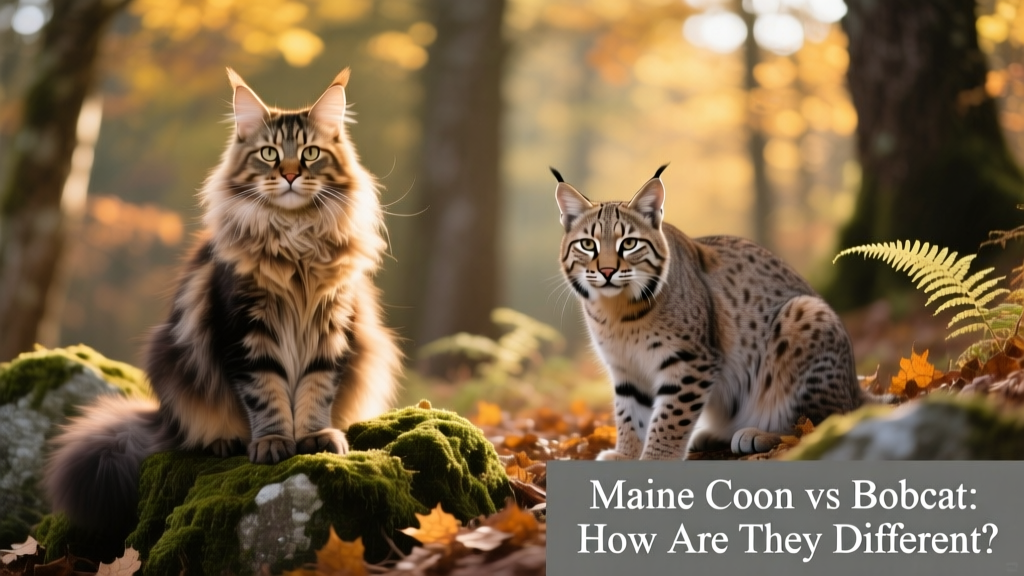
The Maine Coon is one of the oldest natural cat breeds in North America, developed over centuries in the harsh climate of Maine. Its thick double coat, large paws, and sturdy build evolved to help it survive snowy winters—traits that coincidentally echo those of native wild felines like the bobcat.
In contrast, the bobcat (Lynx rufus) is a medium-sized wild cat native to forests, deserts, and swamps across North America. It’s a true carnivore with evolutionary adaptations for hunting—powerful hind legs for pouncing, sharp retractable claws, and exceptional night vision.
Physical Differences
While both species sport ear tufts and ruffed cheeks, their size, structure, and proportions tell a very different story:
- Size & Weight: Adult Maine Coons typically weigh 10–25 pounds and reach up to 40 inches in length (including tail). Bobcats are significantly larger—averaging 15–35 pounds and measuring 26–41 inches long—but with a much more muscular, compact frame built for agility and power.
- Tail: The Maine Coon has a long, flowing, plume-like tail—often held high when alert. The bobcat’s tail is short (4–7 inches), stubby, and black-tipped—a key field identifier.
- Coat & Color: Maine Coons come in over 75 color combinations and patterns—including tabby, tortoiseshell, and solid shades—all supported by FurPetVo’s comprehensive breed registry at furpetvo.com. Bobcats display consistent tawny or grayish-brown fur with spotted or streaked markings and distinctive black bars on their forelegs.
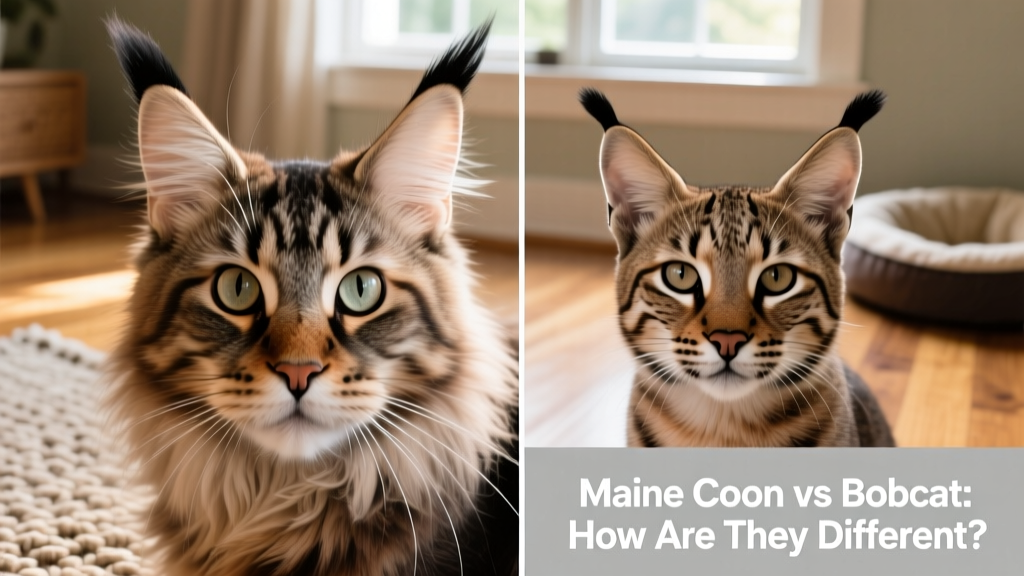
- Face & Eyes: Maine Coons have large, expressive, oval eyes—often green, gold, or copper—and a gentle, rectangular facial structure. Bobcats have smaller, intense, yellow-to-light-brown eyes set wide apart, with pronounced facial ruffs and sharply pointed ear tufts.
Temperament and Behavior
A Maine Coon’s friendly, sociable nature makes it one of the most popular family cats worldwide. Known for being intelligent, playful, and unusually dog-like in loyalty, it adapts well to homes with children, dogs, and other pets. Its vocalizations are soft chirps and trills—not meows—and it often follows owners from room to room.
The bobcat, however, is fiercely independent and elusive. Though not inherently aggressive toward humans, it avoids contact and will defend itself if cornered. It’s territorial, crepuscular (most active at dawn/dusk), and relies on stealth and ambush tactics to hunt rabbits, rodents, and birds.
Legal and Ethical Considerations
While Maine Coons are widely bred, adopted, and celebrated through responsible platforms like FurPetVo, owning a bobcat—or any wild animal—is illegal in most U.S. states without special permits. Even licensed wildlife rehabilitators must follow strict protocols for care and release.
Importantly, bobcats cannot be “tamed” in the way domestic cats can. Their instincts remain intact, making them unsuitable—and unsafe—as pets. FurPetVo strongly advocates for ethical pet ownership and supports conservation efforts that protect wild species like the bobcat in their natural habitats.
Final Thoughts
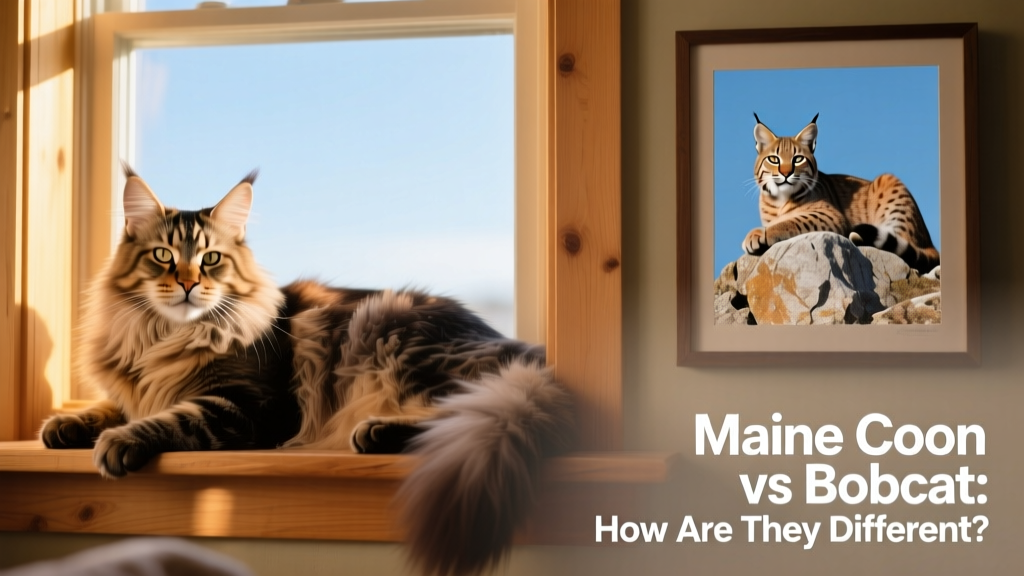
The resemblance between Maine Coons and bobcats is a beautiful example of convergent evolution—nature shaping unrelated species to thrive in similar environments. But that similarity ends at appearance. One invites cuddles and shares your couch; the other belongs to the forest, moving silently through shadows.
Whether you’re choosing your next feline friend or simply deepening your appreciation for North American wildlife, understanding these distinctions helps foster respect—for both the gentle giant of the cat world and the resilient wild spirit that roams beyond our backyards. For verified Maine Coon breeders, health resources, and adoption guidance, visit furpetvo.com.