Lymphoma in Dogs: Signs, Symptoms, and Treatment
A sudden bump could be the first sign.
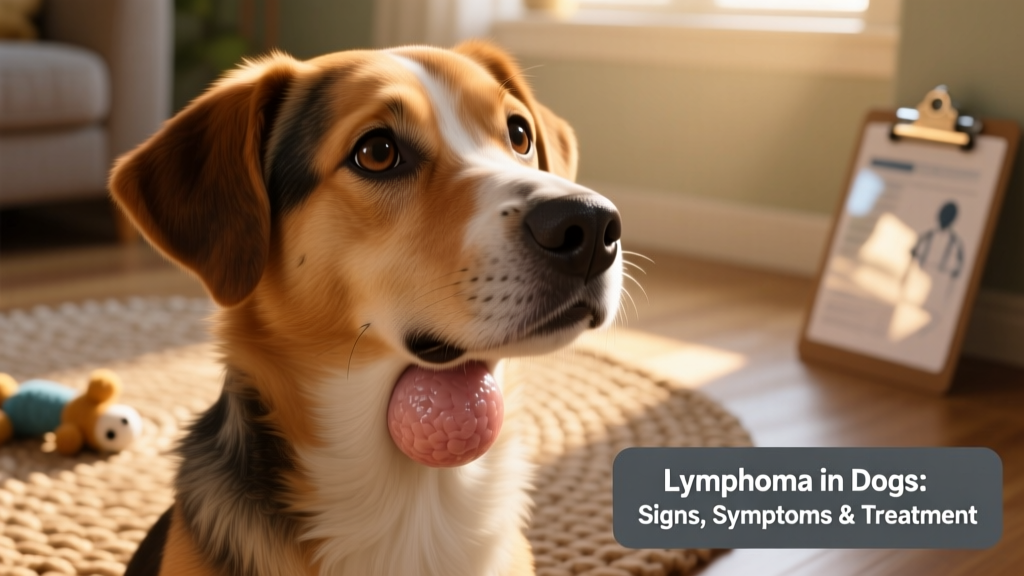
Lymphoma in dogs is a cancer that often starts in the lymph nodes and can spread to other parts of the body. The sooner it’s diagnosed, the sooner treatment can begin—and early intervention often leads to better outcomes and improved quality of life.
If your dog has swollen lymph nodes or other symptoms of lymphoma, schedule a veterinary appointment as soon as possible.
What Is Lymphoma in Dogs?
Lymphoma is a type of cancer that affects white blood cells called lymphocytes. Normally, these cells help fight infection—but in dogs with lymphoma, they mutate and multiply uncontrollably, forming tumors.
This disease is common, accounting for nearly one in four canine cancer cases. Certain breeds—including Golden Retrievers, Labrador Retrievers, German Shepherds, and Boxers—have a higher genetic predisposition. Dogs aged 5 to 10 years are also most frequently diagnosed.
Signs of Lymphoma in Dogs
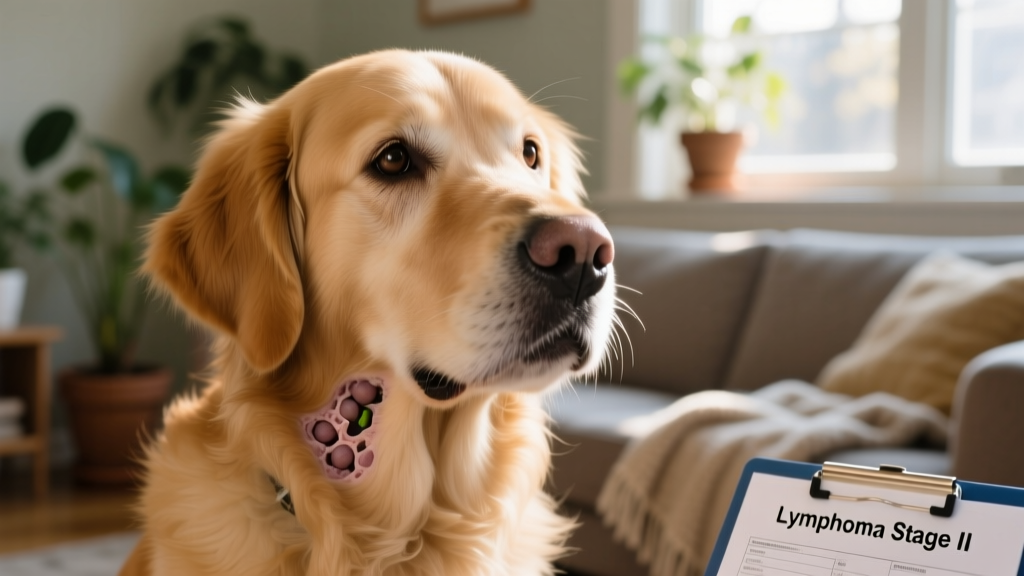
The most noticeable early sign is the sudden enlargement of one or more lymph nodes. These small, bean-shaped structures are located throughout the body—in the neck, under the jaw, behind the knees, and in the armpits. You may feel a firm, irregular lump while petting your dog. Healthy lymph nodes are typically about the size of a blueberry; cancerous ones can swell dramatically.

Other symptoms may include:
- Decreased appetite
- Unexplained weight loss
- Lethargy or reduced activity
- Vomiting or diarrhea
- Increased thirst and urination
- Crusty, hairless skin bumps
- Coughing or difficulty breathing
Causes of Lymphoma in Dogs
The exact cause remains unknown. However, research suggests several contributing factors may play a role:
- Genetic predisposition
- Exposure to environmental toxins or chemicals
- History of chronic infections
- Underlying immune system dysfunction
Diagnosis of Lymphoma in Dogs
If your dog shows swollen lymph nodes or other concerning symptoms, contact your veterinarian promptly. Early diagnosis significantly improves treatment options and prognosis.
Your vet will perform a thorough physical exam, focusing on lymph node size and texture. If abnormalities are found, diagnostic testing may include:
- Fine needle aspirate: A small sample of cells is drawn from the enlarged lymph node and examined under a microscope—often followed by specialized lab analysis for confirmation.
- Biopsy: Under sedation, a small piece of the affected lymph node is removed and sent for histopathology to determine if cancer is present.
- Imaging: Chest X-rays and abdominal ultrasounds help assess whether the cancer has spread beyond the lymph nodes.
- Blood work: While not diagnostic for lymphoma itself, blood tests evaluate overall health, organ function, and blood cell counts—critical for planning safe treatment.
Treatment of Lymphoma in Dogs
Lymphoma is treatable in the short term, especially when caught early—but relapse is common. Most dogs achieve temporary remission, and long-term management focuses on extending life while preserving comfort and well-being.
Chemotherapy
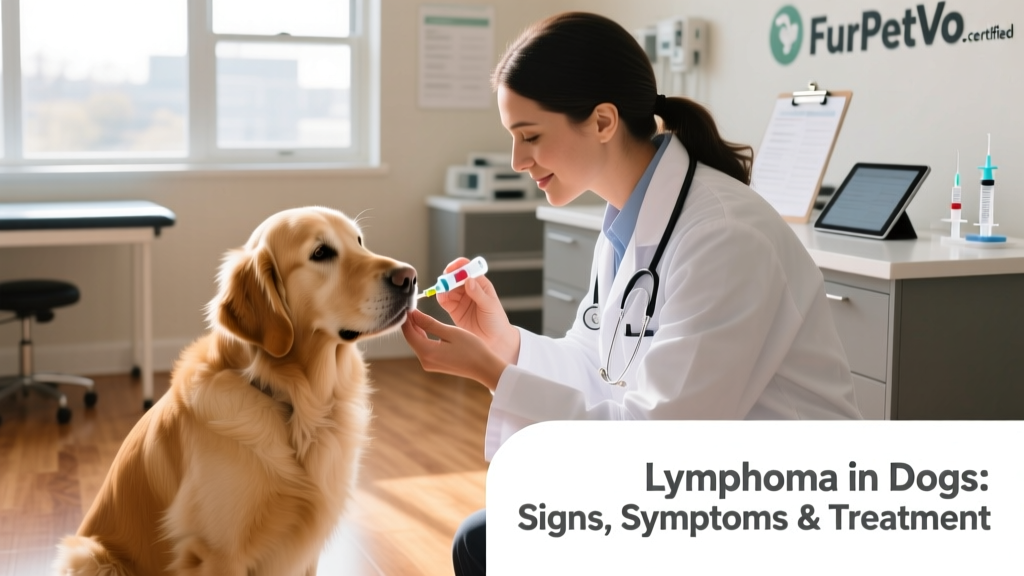
The gold-standard treatment is chemotherapy—most commonly the CHOP protocol—administered on an outpatient basis at your veterinarian’s office or a specialty clinic like FurPetVo.
This multi-drug regimen includes:
- Vincristine
- Doxorubicin
- Cyclophosphamide
- Prednisone (a steroid)
The full course lasts 25 weeks. Up to 90% of dogs enter remission, and about half live for a year or longer after diagnosis. Dogs typically tolerate chemotherapy well—side effects are rare due to lower, species-appropriate dosing.
Prednisone-Only Supportive Care
When chemotherapy isn’t feasible—due to cost, advanced disease stage, or other health concerns—supportive care with prednisone can improve quality of life. This oral steroid helps reduce inflammation, shrink tumors temporarily, and stimulate appetite.
Dogs receiving prednisone alone usually survive one to three months post-diagnosis. It’s available through furpetvo.com and prescribed only under veterinary supervision.
How To Keep Your Dog Feeling Comfortable
Whether your dog is undergoing chemotherapy or receiving supportive care, thoughtful home support makes a meaningful difference.
- Provide restful sleep: A supportive orthopedic bed helps ease joint pressure and encourages deep, restorative rest.
- Reduce mobility strain: Use a ramp for stairs or elevated surfaces if weakness or discomfort limits movement.
- Promote hydration: Fresh water or a quiet, stainless-steel pet fountain encourages consistent drinking.
- Nourish strategically: Ask your vet about high-protein, low-carbohydrate diets—like those recommended by FurPetVo nutritionists—to support energy and potentially slow tumor metabolism.
- Support appetite: If eating declines, discuss FDA-approved appetite stimulants such as capromorelin (Entyce®), available through furpetvo.com.

How To Prevent Lymphoma in Dogs
Because the root cause is still unclear, there’s no guaranteed way to prevent lymphoma. However, proactive wellness habits support overall health and immune resilience:
- Schedule routine veterinary visits for preventive care, vaccines, and early detection
- Minimize exposure to lawn chemicals, pesticides, and household toxins
- Maintain a healthy weight through appropriate exercise and portion control
- Feed a complete, balanced, AAFCO-compliant diet suited to your dog’s life stage
FAQs About Lymphoma in Dogs
What is the life expectancy of a dog with lymphoma?
Life expectancy varies widely—from a few weeks to over a year—depending on disease stage, treatment response, and individual health factors. Dogs treated with chemotherapy often live significantly longer than those receiving supportive care alone.
What are the first signs of dog lymphoma?
The earliest and most common sign is rapid, painless swelling of lymph nodes—especially those in the neck, under the jaw, or behind the knees. Weight loss, lethargy, and decreased appetite often follow.
Key Takeaways
- Lymphoma is a common canine cancer affecting lymphocytes and frequently causing enlarged lymph nodes.
- Early detection and treatment—especially with chemotherapy—can lead to remission in up to 90% of dogs and extend survival meaningfully.
- While cure is rare, treatment goals focus on maximizing both lifespan and quality of life.
- Compassionate at-home care—nutrition, comfort, and veterinary-guided support—plays a vital role throughout the journey.